Understanding how to calculate daily protein intake is essential for maintaining good health and supporting overall wellness. Accurate knowledge of your protein needs helps tailor your diet to meet individual requirements and achieve fitness goals effectively.
This guide provides a comprehensive overview of factors influencing protein needs, methods for calculating baseline requirements, adjusting for activity levels and special populations, and practical tools for tracking intake. By following these insights, you can develop a personalized protein plan that aligns with your lifestyle and health objectives.
Introduction to Daily Protein Intake
Understanding daily protein intake is fundamental to maintaining overall health, supporting bodily functions, and promoting physical wellness. Adequate protein consumption influences muscle development, immune response, enzyme function, and tissue repair. Recognizing the appropriate amount of protein needed each day helps individuals make informed dietary choices tailored to their lifestyle and health goals.
The process of determining daily protein requirements involves considering various personal and lifestyle factors. These factors impact how much protein an individual needs to sustain optimal health, prevent deficiency, and support specific activities such as exercise, pregnancy, or recovery from illness. By understanding these influences, individuals can better plan their diets to meet their unique nutritional needs.
Factors Influencing Protein Requirements
Several key factors affect the amount of protein an individual should consume daily. The following table summarizes the primary factors, their influence on protein needs, relevant examples, and additional notes for clarity:
| Factor | Influence | Examples | Notes |
|---|---|---|---|
| Age | Older adults may require more protein to prevent muscle loss and support age-related health changes. | Senior individuals aiming to reduce frailty; children in growth phases | Protein needs tend to increase after age 50 due to muscle mass decline |
| Physical Activity Level | Higher activity levels, especially strength training or endurance sports, elevate protein requirements for muscle repair and recovery. | Athletes, active adults, manual laborers | Intense training can increase protein needs significantly compared to sedentary lifestyles |
| Body Composition Goals | Goals like muscle building or weight loss influence the amount of protein consumed to preserve lean mass or promote satiety. | Bodybuilders, individuals on a calorie-restricted diet | Higher protein intake may support muscle preservation during caloric deficits |
| Health Conditions | Certain illnesses or medical conditions may require adjustments in protein intake for recovery and management. | Kidney disease, malnutrition, infections | Medical guidance is essential for appropriate adjustments in such cases |
| Pregnancy and Lactation | Increased protein needs to support fetal development, milk production, and maternal health. | Pregnant women, breastfeeding mothers | Dietary recommendations often suggest an increase of approximately 25 grams of protein daily during pregnancy |
Factors Affecting Individual Protein Needs
Understanding the variables that influence daily protein requirements is essential for tailoring nutrition plans to individual needs. These factors can significantly alter the amount of protein necessary for maintaining health, supporting activity, and promoting recovery. Recognizing how each element impacts protein intake helps in creating balanced and effective dietary strategies suitable for diverse populations.
Among the most influential factors are age, body weight, activity level, muscle mass, and existing health conditions. Each of these elements interacts with metabolic processes and physical demands to determine optimal protein consumption. Careful assessment of these factors ensures that individuals meet their unique nutritional needs, avoiding both deficiencies and excesses that could affect overall well-being.
Age
Age is a critical determinant of protein needs, as nutritional requirements evolve throughout different life stages. Infants, children, adolescents, adults, and the elderly each have distinct protein needs based on growth, maintenance, and age-related physiological changes.
- Infants and children require higher protein intake per kilogram of body weight to support rapid growth and development.
- Adolescents need increased protein to accommodate the demands of puberty and growth spurts.
- Adults generally require a steady amount of protein to maintain bodily functions and muscle mass.
- Older adults often need more protein to counteract age-related muscle loss (sarcopenia) and support recovery from illness.
Weight
Body weight directly influences the total amount of protein an individual needs daily. Protein requirements are often calculated per kilogram of body weight, making this a fundamental factor in dietary planning.
- Individuals with higher body weight typically require more protein to sustain their body functions.
- For weight management, adjusting protein intake can aid in preserving lean muscle mass during weight loss or supporting muscle gain during periods of increased activity.
- Overweight or obese individuals might need to focus on quality rather than quantity of protein to promote satiety and preserve muscle mass.
Activity Level
The extent and intensity of physical activity significantly impact protein needs, especially for athletes, active individuals, and those engaged in strength training or endurance sports.
- Highly active individuals or athletes require elevated protein intake to repair muscle tissue and support recovery after training sessions.
- Endurance athletes, such as runners or cyclists, need increased protein to sustain energy levels and prevent muscle breakdown.
- Sedentary individuals have lower protein requirements, mainly for basic maintenance and bodily functions.
Muscle Mass
Muscle mass is a vital factor in determining protein needs because muscle tissues are primary sites for protein utilization and turnover. Higher muscle mass correlates with increased amino acid requirements.
- Individuals with greater muscle mass, such as weightlifters or bodybuilders, need more protein to support muscle repair and growth.
- Those with lower muscle mass may require less protein but should still meet the minimum recommended levels for health maintenance.
- In cases of muscle wasting due to illness or aging, targeted protein intake can help preserve muscle tissue and improve quality of life.
Health Conditions
Existing health issues can significantly influence protein requirements, either increasing needs due to tissue repair and immune function or restricting intake in certain conditions.
- Chronic illnesses such as kidney disease may necessitate controlled protein intake to prevent overload, while acute injuries or infections often require increased protein for healing.
- Conditions like malnutrition or cancer can lead to increased protein needs to support recovery and immune response.
- Conversely, individuals with certain kidney or liver diseases may need to limit protein consumption to prevent further organ stress.
| Factor | Impact on Protein Needs |
|---|---|
| Age | Modifies requirements across different life stages, with increased needs during growth and old age for maintenance and recovery. |
| Weight | Calculates total protein based on body weight; higher weight often means higher protein needs. |
| Activity Level | Elevates requirements with increased physical activity, especially in athletes and active individuals. |
| Muscle Mass | Greater muscle mass increases amino acid demand for maintenance, repair, and growth. |
| Health Conditions | Can necessitate adjustments—either increases for healing or restrictions to prevent organ overload. |
Calculating Baseline Protein Requirements
Determining the minimal daily protein intake necessary for maintaining basic bodily functions is a fundamental step in understanding individual nutrition needs. This calculation provides a baseline that can be adjusted based on activity level, health status, and personal goals.
Accurate estimation of protein requirements ensures that individuals meet their nutritional needs without excessive intake, which could lead to unnecessary health risks or wasteful consumption of resources. This process involves using standardized formulas based on body weight to establish a minimal daily requirement.
Determining Minimal Daily Protein Intake Based on Body Weight
To calculate baseline protein needs, the most common approach is to use a reference value expressed as grams of protein per kilogram of body weight. This method provides a straightforward and personalized way to estimate daily requirements that align with current nutritional guidelines.
The standard recommendation for sedentary adults is approximately 0.8 grams of protein per kilogram of body weight per day. For individuals with different activity levels or specific health conditions, this value may be adjusted accordingly.
Minimal daily protein requirement (g) = Body weight (kg) × Protein need per kg
For example, if an individual weighs 70 kg, their minimal protein requirement can be calculated as follows:
70 kg × 0.8 g/kg = 56 grams of protein per day
This means that a sedentary person weighing 70 kg should aim to consume at least 56 grams of protein daily to meet basic physiological needs.
The calculation process can be summarized into clear steps:
- Determine the individual’s body weight in kilograms.
- Identify the appropriate grams of protein per kilogram based on activity level and health conditions (commonly 0.8 g/kg for sedentary individuals).
- Multiply the body weight by the protein need per kilogram to obtain the minimal daily requirement.
| Weight | Calculation | Result | Comments |
|---|---|---|---|
| 70 kg | 70 kg × 0.8 g/kg | 56 grams | Minimal protein intake for sedentary adult |
| 65 kg | 65 kg × 0.8 g/kg | 52 grams | Recommended for maintaining basic bodily functions |
| 80 kg | 80 kg × 0.8 g/kg | 64 grams | Baseline for individuals with moderate activity |
Adjustments to this baseline are made based on factors such as physical activity, age, health conditions, and specific fitness goals. Nonetheless, calculating the minimal requirement provides a vital foundation for personalized nutrition planning.
Adjusting Protein Intake for Activity Levels

While baseline protein requirements provide a foundational guideline for daily intake, individual activity levels influence the amount of protein needed to support muscle repair, recovery, and overall energy demands. Adjusting protein intake based on activity levels ensures that each person meets their specific physiological needs, optimizing health and performance.
Different activity intensities and durations significantly impact protein requirements. Sedentary individuals may require minimal adjustments, whereas highly active or athletic individuals need increased protein to support their elevated metabolic and muscular demands. Understanding how to modify protein intake accordingly can help individuals maintain optimal health and achieve their fitness goals effectively.
Modifying Requirements for Sedentary, Moderate, and Highly Active Individuals
To accurately tailor protein intake, it is essential to consider the individual’s activity level and apply specific multipliers to their baseline requirements. This approach helps ensure that the increased or decreased activity demands are appropriately met without over- or under-consuming protein.
| Activity Level | Multiplier | Adjusted Intake | Notes |
|---|---|---|---|
| Sedentary | 1.0 | Baseline protein requirement | Suitable for individuals with minimal physical activity, typically office workers or those with limited daily movement. |
| Moderately Active | 1.2 – 1.4 | Baseline requirement × multiplier | Ideal for individuals engaging in light exercise or physical activity a few times per week, such as walking, yoga, or casual sports. |
| Highly Active / Athletes | 1.5 – 2.0 | Baseline requirement × multiplier | Necessary for athletes or individuals with intense training routines, weightlifting, or endurance sports, requiring increased protein for muscle repair and recovery. |
For example, if a person’s baseline protein requirement is 50 grams per day:
- Sedentary individual: 50 grams
- Moderately active individual: 50 grams × 1.3 = approximately 65 grams
- Highly active individual: 50 grams × 1.8 = approximately 90 grams
Note: These multipliers serve as general guidelines. Individual needs may vary based on age, gender, health status, and specific training goals. Consulting with a healthcare professional or registered dietitian is recommended for personalized recommendations.
Special Considerations for Different Populations
Understanding that nutritional requirements vary significantly across different population groups is essential for providing appropriate dietary guidance. Protein needs are influenced by age, physiological states, activity levels, and health conditions. Tailoring protein intake recommendations to meet these specific needs ensures optimal health outcomes and supports individual well-being. It is important to recognize that some populations have unique considerations that impact their protein requirements.
For example, seniors may require higher or more easily digestible protein to combat muscle loss, pregnant women need additional protein to support fetal development, athletes demand increased intake for muscle repair and performance, and individuals with certain health issues may require specialized dietary adjustments. Providing targeted guidance helps these groups meet their nutritional needs effectively.
Protein Needs for Seniors
As individuals age, maintaining muscle mass and preventing sarcopenia becomes increasingly important. Older adults generally require higher-quality protein sources and may benefit from increased protein consumption compared to younger adults. However, factors such as reduced appetite, dental issues, and digestive changes can challenge meeting these needs.
Example
A 70-year-old individual may need around 1.0-1.2 grams of protein per kilogram of body weight per day, slightly higher than the general adult recommendation.
- Tailored approach involves emphasizing lean proteins such as fish, poultry, eggs, and dairy, and incorporating protein-rich plant sources like legumes and tofu.
- Consideration of ease of digestion and incorporating smaller, more frequent meals can enhance nutrient absorption and compliance.
Protein Needs During Pregnancy
Pregnant women have increased nutritional demands to support fetal growth, placental development, and maternal health. Adequate protein intake is vital for reducing the risk of preterm birth, low birth weight, and developmental issues.
Typical recommendation
An additional 25 grams of protein per day beyond the baseline needs.
- Focus on high-quality protein sources such as lean meats, dairy, eggs, and plant-based options like beans and lentils.
- Factors to consider include the woman’s overall caloric needs, possible food aversions, and cultural dietary preferences to ensure compliance.
Protein Needs for Athletes
Athletes engage in intense physical activity, leading to increased protein requirements for muscle repair, recovery, and performance optimization. The timing and quality of protein intake also play crucial roles.
Typical range
1.2 to 2.0 grams per kilogram of body weight per day, depending on activity intensity and type.
- Incorporate rapid-digesting proteins like whey post-exercise for optimal recovery.
- Adjustments should be made based on training volume, frequency, and specific sport requirements.
Protein Needs for Individuals with Health Issues
Certain health conditions, such as kidney disease, malabsorption syndromes, or infections, influence protein metabolism and requirements. Tailored approaches help manage potential risks while ensuring nutritional adequacy.
- For example, individuals with chronic kidney disease may need to limit protein intake to reduce renal workload, whereas those with malabsorption may require higher, easily digestible proteins.
- Collaborating with healthcare providers ensures that dietary modifications support both health management and nutritional needs.
- Emphasizing nutrient-dense, easily digestible proteins and monitoring renal function are key strategies.
Summary Table of Population Groups and Protein Recommendations
| Population Group | Recommended Intake | Factors to Consider | Additional Notes |
|---|---|---|---|
| Seniors | 1.0–1.2 g/kg/day | Digestive health, muscle preservation, appetite | Encourage high-quality, easy-to-digest proteins |
| Pregnant Women | Additional 25 g/day beyond baseline | Fetal development, energy needs, dietary restrictions | Focus on nutrient-rich sources, consider cultural preferences |
| Athletes | 1.2–2.0 g/kg/day | Training intensity, recovery, sport type | Prioritize high-quality, fast-digesting proteins post-exercise |
| Individuals with Health Issues | Varies depending on condition | Renal function, digestion, nutrient absorption | Consult healthcare professionals for personalized plan |
Methods to track and monitor daily protein intake
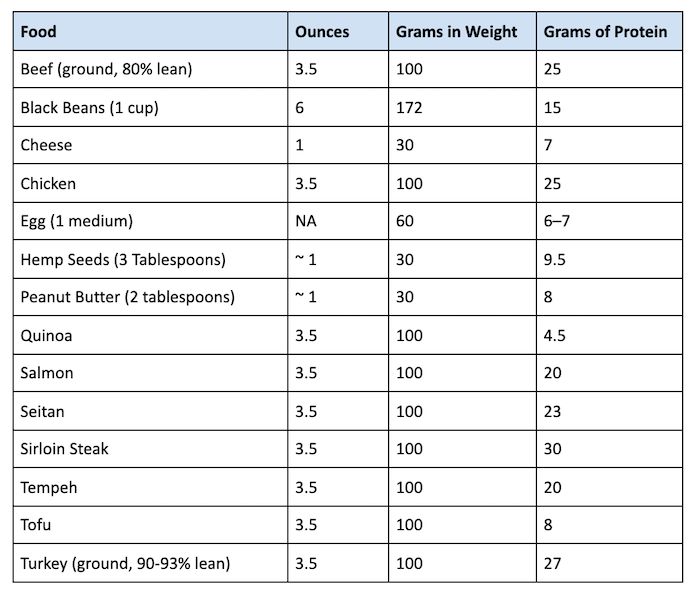
Tracking daily protein intake accurately is essential for individuals aiming to meet specific dietary goals, whether for muscle building, weight management, or health maintenance. Employing effective tools and techniques ensures consistency, helps identify dietary patterns, and allows for timely adjustments to optimize nutritional benefits. By utilizing various methods, individuals can develop a clear understanding of their protein consumption and maintain accountability in their dietary habits.Monitoring protein intake involves several practical approaches, each with its own advantages.
These methods range from traditional manual tracking to modern digital solutions, catering to different preferences and lifestyles. Employing these techniques correctly can enhance dietary awareness and contribute to achieving personalized nutrition targets.
Food diaries
Food diaries involve recording all foods and beverages consumed throughout the day, including portion sizes and preparation methods. Writing down each item provides a comprehensive overview of daily intake, making it easier to assess protein consumption relative to requirements. Individuals can use physical notebooks, printed templates, or digital formats.Advantages:
- Promotes mindful eating by increasing awareness of intake patterns.
- Allows detailed tracking of food types and portion sizes.
- Facilitates identification of protein sources and potential deficiencies.
Step-by-step procedure:
- Record every food and drink consumed, including snacks and condiments.
- Estimate portion sizes accurately using household measures (cups, spoons, grams).
- Use food composition tables or labels to calculate the amount of protein in each item.
- Sum the protein content of all foods consumed during the day to determine total intake.
- Review the diary regularly to evaluate progress and make necessary adjustments.
Mobile applications and online tools
Modern technology offers a variety of smartphone apps and web-based platforms designed specifically for dietary tracking. These tools often include extensive food databases, barcode scanners, and automatic calculations to simplify the process of monitoring protein intake.Advantages:
- Quick and convenient data entry through barcode scanning or search functions.
- Automatic calculation of nutrient intake, including protein, calories, and other macronutrients.
- Personalized feedback and goal tracking to motivate progress.
- Ability to set specific targets and receive tailored recommendations.
Step-by-step procedure:
- Select a reputable nutrition tracking app compatible with your device.
- Input personal data such as age, weight, activity level, and goals.
- Record foods by searching the database or scanning barcodes.
- Review daily summaries to monitor protein intake relative to targets.
- Adjust food choices or portion sizes based on feedback to stay aligned with goals.
Portion estimation and measurement tools
Accurate portion estimation is fundamental when detailed food data is unavailable or when using traditional methods. Tools such as kitchen scales, measuring cups, and visual reference guides help quantify intake precisely.Advantages:
- Provides precise measurement for home-cooked meals and portion control.
- Enhances understanding of typical serving sizes and nutritional content.
- Useful in settings where digital tools are inaccessible or impractical.
Step-by-step procedure:
- Use a digital kitchen scale to weigh foods for accuracy, especially for complex meals.
- Use measuring cups and spoons to portion out servings consistently.
- Refer to visual portion guides showing common serving sizes for meats, dairy, and legumes.
- Calculate protein content based on known values per weight or volume, referencing nutrition labels or databases.
- Record the estimated protein intake in a journal or tracking app for ongoing monitoring.
Common Sources of Protein and Portion Sizes
Understanding the primary sources of dietary protein and accurately estimating portion sizes are essential steps in managing daily protein intake effectively. Recognizing the nutritional content of various foods and how to measure them helps individuals make informed dietary choices that support their health and activity goals.
Protein-rich foods come from both animal and plant sources, each offering unique benefits and nutrient profiles. Knowing how much protein is typically present in common servings allows for better planning and monitoring, ensuring that nutritional needs are met without excess or deficiency.
High-Protein Foods and Their Nutritional Content
Listed below are some common high-protein foods along with their typical serving sizes and approximate protein content. This information aids in visualizing portions and understanding how different foods contribute to daily protein goals.
| Food Source | Serving Size | Protein Content | Notes |
|---|---|---|---|
| Chicken Breast (cooked) | 3 ounces (85 grams) | 26 grams | Lean source, versatile for various dishes |
| Eggs | 1 large egg | 6 grams | Rich in high-quality protein and nutrients |
| Greek Yogurt (plain, non-fat) | 1 cup (245 grams) | 20 grams | High in protein and probiotics |
| Salmon (cooked) | 3 ounces (85 grams) | 22 grams | Rich in omega-3 fatty acids |
| Tofu (firm) | 4 ounces (113 grams) | 10 grams | Plant-based protein, adaptable to various cuisines |
| Lentils (cooked) | 1 cup (198 grams) | 18 grams | Excellent plant protein source, high in fiber |
| Almonds | 1 ounce (28 grams, about 23 almonds) | 6 grams | Healthy fats complement protein intake |
Estimating Serving Sizes Visually and Descriptively
Estimating portion sizes accurately is vital for tracking protein intake, especially when measuring tools are unavailable. Visual and descriptive methods help estimate servings more effectively, allowing individuals to make quick but informed decisions about their meals.
Common visual cues include comparing portion sizes to everyday objects. For example, a typical cooked chicken breast serving is roughly the size of a deck of playing cards or the palm of your hand. A large egg is about the size of a golf ball. A cup of Greek yogurt can be visualized as the size of a standard clenched fist or a small grapefruit.
These references can be adapted based on personal hand size or familiar objects to improve accuracy.
Descriptive methods involve understanding standard measurements such as:
- 1 ounce of cooked meat or fish is approximately the size of a matchbox.
- 1 tablespoon of nut butter or seeds is about the size of a thumb tip.
- 1/4 cup of cooked legumes or grains is roughly the size of a computer mouse or an ice cube.
- A medium-sized piece of fruit (like an apple or banana) generally weighs around 150 grams, providing about 1.5 grams of protein.
Combining visual estimates with descriptive references allows for flexible and practical approaches to portion control, supporting consistent adherence to dietary goals and ensuring adequate protein intake from diverse food sources.
Creating a Personalized Daily Protein Plan
Developing an individualized protein intake schedule involves integrating various personal factors, including age, gender, activity level, health status, and dietary preferences. Tailoring your plan ensures optimal support for your body’s needs while maintaining overall nutritional balance. This personalized approach promotes better adherence, enhances health outcomes, and supports your specific fitness or health goals.
Constructing an effective daily protein plan requires a systematic approach that considers all relevant factors, balances macronutrients, and accommodates your lifestyle. By combining scientific principles with practical meal planning, you can establish a sustainable routine that meets your unique nutritional requirements.
Integrating Personal Factors into the Protein Schedule
To create a personalized plan, start by assessing your baseline protein needs based on calculated requirements, activity levels, and any special considerations such as pregnancy, aging, or medical conditions. Use this data to determine your target daily intake. Adjustments should be made to accommodate fluctuating activity levels or specific health goals.
Consider your typical daily schedule and dietary preferences. Prioritize nutrient-dense protein sources that align with your taste and cultural preferences. Incorporate variety to ensure a broad intake of amino acids and other vital nutrients, thereby preventing dietary monotony and promoting overall health.
Balancing Protein with Other Macronutrients
Achieving a balanced diet involves distributing calories appropriately among proteins, carbohydrates, and fats. Each macronutrient plays a crucial role in energy provision and bodily functions. An optimal ratio supports not only muscle maintenance and repair but also provides sustained energy and overall wellness.
General guidelines suggest that approximately 45-65% of total daily calories should come from carbohydrates, 20-35% from fats, and 10-35% from proteins, depending on individual needs and activity levels. Adjustments should be made based on specific health goals, such as weight loss, muscle gain, or management of medical conditions.
In practical terms, if your daily calorie requirement is 2,000 kcal and your target protein intake is 100 grams (roughly 400 kcal), allocate remaining calories to carbohydrates and fats in accordance with your personal preferences and requirements. For instance, you might aim for a carbohydrate intake of around 250 grams and fats around 70 grams, ensuring all macronutrients are adequately represented.
Sample Meal Plans Visualization
Below is an example of a balanced day’s meal plan designed for an active adult seeking to meet a target of approximately 100 grams of protein daily. The plan includes breakfast, lunch, dinner, and snacks, illustrating how to distribute protein intake throughout the day while maintaining harmony with other macronutrients.
| Meal | Food Items | Estimated Protein Content | Remarks |
|---|---|---|---|
| Breakfast | Oatmeal with Greek yogurt, sliced almonds, and berries | 20 grams | Provides a protein-rich start with complex carbs and healthy fats |
| Lunch | Grilled chicken breast, quinoa salad with mixed vegetables | 30 grams | High-quality lean protein combined with fiber-rich grains |
| Dinner | Baked salmon, steamed broccoli, and sweet potato | 25 grams | Includes omega-3 fatty acids and substantial protein |
| Snacks | Hard-boiled eggs and a handful of walnuts | 15 grams | Additional protein to meet daily target, healthy fats included |
| Total | 90 grams | Adjust portion sizes to reach the precise target of 100 grams if needed |
Designing such meal plans involves balancing portion sizes, choosing nutrient-dense foods, and ensuring variety to meet both calorie and nutrient needs. Regular monitoring and adjustments based on personal feedback and progress are essential for sustaining an effective and enjoyable dietary routine.
Common misconceptions and pitfalls
Understanding the common myths and errors related to daily protein intake is essential to ensure accurate assessment and healthy dietary choices. Misinformed beliefs and calculation mistakes can lead to overconsumption or insufficient intake, impacting overall health and fitness goals. Addressing these misconceptions helps in making evidence-based decisions and prevents potential health issues associated with improper protein consumption.Calculating protein needs involves several variables, and misinterpretations can easily occur without proper guidance.
Many individuals rely on generalized recommendations or fall for popular diet myths, which may not suit their specific needs. Additionally, errors in estimating portion sizes or misunderstanding protein sources can distort intake assessments. To maintain a balanced diet and achieve desired health outcomes, it is crucial to recognize and correct these common pitfalls.
Myths about high protein diets and errors in calculation
Several myths surrounding high protein diets contribute to misconceptions that can hinder optimal nutritional intake. Believing that consuming large amounts of protein will automatically lead to better health or muscle gains can be misleading. Such misconceptions may encourage excessive intake, leading to potential kidney strain or other health concerns, particularly in individuals with pre-existing conditions. Conversely, underestimating protein needs due to misinformation can result in inadequate recovery, muscle loss, or compromised immune function.
Errors in calculation often stem from misunderstanding serving sizes, misapplying general guidelines, or neglecting individual factors such as age, activity level, or health status. These mistakes may lead to either overestimation or underestimation of actual requirements, which can hinder progress and affect overall well-being.
Strategies to avoid overestimating or underestimating needs
To ensure accurate determination of daily protein requirements, it is vital to adhere to personalized calculations based on individual factors rather than relying solely on generic standards. Incorporating precise portion control and understanding the protein content of various food items helps in making realistic assessments. Consulting with healthcare professionals or registered dietitians can provide tailored guidance that considers unique health conditions and lifestyle factors.
Track consumption diligently using food diaries or digital tools to compare intake against calculated needs regularly. Recognize signs that indicate a mismatch, such as persistent fatigue, muscle weakness, or digestive issues, and adjust your diet accordingly. Avoid falling into the trap of assuming that more protein always equates to better results; moderation and balance are key.
Key misconceptions and corrective strategies
- Myth: High protein diets are suitable for everyone.
- Myth: Consuming more protein than needed will accelerate muscle growth.
- Error: Using generic serving sizes or food labels to estimate protein intake.
- Myth: Plant-based proteins are inferior to animal proteins.
- Error: Ignoring individual factors such as kidney health or metabolic conditions.
Corrective strategy: Understand that individual needs vary based on age, health, and activity levels. Tailor protein intake accordingly, avoiding blanket recommendations.
Corrective strategy: Recognize that excess protein may be stored as fat or stress the kidneys. Focus on meeting but not exceeding personalized requirements.
Corrective strategy: Use precise measurements, food scales, and nutrition facts to accurately determine protein content per serving.
Corrective strategy: Acknowledge that plant proteins can provide complete amino acids when combined appropriately; diversify sources for optimal nutrition.
Corrective strategy: Consult healthcare professionals for personalized advice, especially for populations with health concerns that influence protein metabolism.
Final Thoughts
In conclusion, mastering how to calculate daily protein intake empowers you to make informed dietary choices that support your health and fitness aspirations. Remember to consider individual factors and utilize effective tracking methods to ensure your protein consumption remains balanced and adequate for your unique needs.