Learning how to eat seasonal foods opens the door to a more nutritious, flavorful, and environmentally friendly diet. By understanding the natural cycles of produce, individuals can enjoy fresh ingredients at their peak while supporting local communities and reducing their carbon footprint.
This guide provides valuable insights into identifying seasonal foods, enjoying their benefits, and incorporating them into daily meals, ensuring a wholesome and sustainable eating experience throughout the year.
Understanding Seasonal Foods
Seasonal foods are ingredients that are harvested, available, and at their peak freshness during specific times of the year. Incorporating these foods into culinary practices not only enhances flavor but also promotes sustainability and supports local agriculture. Recognizing the natural cycles of food production allows consumers and chefs alike to make informed choices that align with the environment and nutritional benefits.
Changes in seasons influence the availability, variety, and quality of foods. Factors such as temperature, sunlight, and rainfall directly impact what crops can be grown and harvested at different times. This natural rhythm ensures that certain fruits, vegetables, and other ingredients are most abundant and flavorful during their respective seasons, making it advantageous for culinary applications to adapt accordingly.
Seasonal Variations and Typical Foods
Understanding the foods associated with each season helps in planning menus, shopping, and preserving ingredients to maximize freshness and flavor. Below is a responsive table illustrating common seasonal foods across the four main seasons:
| Season | Typical Foods |
|---|---|
| Spring |
|
| Summer |
|
| Autumn |
|
| Winter |
|
Note: The availability of certain foods may vary depending on geographical location and local climate conditions. For example, citrus fruits are predominantly winter seasonal in temperate zones but may be available year-round in tropical regions due to importation.
Identifying When Foods Are in Season
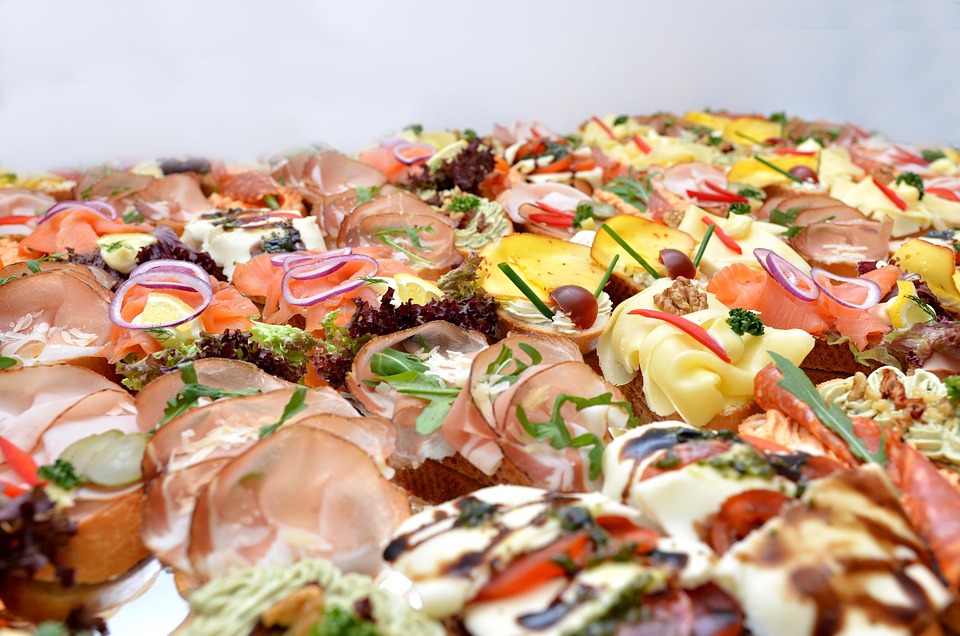
Understanding when specific fruits and vegetables are at their peak season is essential for maximizing flavor, nutritional value, and cost-efficiency. Being able to determine the current harvest period allows consumers to select the freshest produce and support local farmers. This knowledge also helps in planning meals that align with seasonal availability, contributing to a more sustainable and enjoyable eating experience.
Several methods can be employed to accurately identify the peak season for various foods. These include consulting local harvest calendars, utilizing online resources, observing seasonal cues, and paying attention to regional market trends. Combining these approaches offers a reliable way to understand seasonal patterns and make informed choices when purchasing or cooking with seasonal produce.
Methods to Determine the Peak Season for Fruits and Vegetables
To identify the peak season for specific foods, it is helpful to employ a combination of practical tools and observation techniques. These methods can be tailored to individual regions, as climate and local agriculture influence harvest times. The following strategies are effective for tracking seasonal availability:
- Consult Local Harvest Calendars: Many agricultural extension offices, farmers’ markets, and regional food organizations publish harvest calendars that specify when different fruits and vegetables are typically in season. These calendars are often based on historical data and regional climate patterns, providing a reliable guide for consumers and chefs alike.
- Use Online Resources and Apps: There are numerous websites and smartphone applications dedicated to seasonal eating. These platforms often provide comprehensive, up-to-date information on what foods are in season in various regions around the world. Examples include seasonal food guides, local farm website updates, and dedicated apps like “Seasonal Food Guide”.
- Observe Local Markets and Farms: Visiting farmers’ markets or local farms can give direct insight into what’s currently harvested. Vendors typically offer produce at the height of its season, and their displays can serve as a visual indicator of peak availability.
- Note Regional Climate and Weather Patterns: Understanding local climate cycles helps anticipate harvest times. For instance, in temperate regions, berries often peak in late spring to early summer, while root vegetables like carrots and beets are abundant in late fall and winter.
Common Seasonal Foods for Each Season
Recognizing the typical fruits and vegetables available during each season enables consumers to make informed choices and enjoy a diverse diet throughout the year. Here are some examples of common seasonal foods categorized by season:
Spring: Strawberries, asparagus, peas, rhubarb, artichokes, spinach, radishes, and new potatoes.
Summer: Watermelons, peaches, nectarines, berries (blueberries, blackberries), tomatoes, zucchinis, cucumbers, corn, and eggplants.
Autumn: Apples, pumpkins, squash, sweet potatoes, grapes, pears, Brussel sprouts, cauliflower, and cranberries.
Winter: Citrus fruits (oranges, grapefruits, mandarins), Brussels sprouts, kale, leeks, parsnips, root vegetables, and hardy greens.
How to Incorporate Seasonal Foods into Your Diet

Integrating seasonal foods into your daily meals can enhance nutritional value, support local farmers, and bring variety to your diet. By selecting ingredients at their peak freshness, you maximize flavor and health benefits, making your eating habits more vibrant and sustainable.
Practical strategies for incorporating these foods involve thoughtful selection and creative preparation methods. Embracing seasonal ingredients requires understanding where and how to purchase them, as well as exploring suitable cooking techniques that preserve their natural qualities. The following guidance aims to facilitate effortless integration of seasonal produce into your culinary routine.
Selecting and Purchasing Seasonal Produce
Choosing high-quality seasonal foods begins with developing awareness of the best sources. Local markets and farmers’ stalls often offer the freshest options, directly supporting local agriculture and reducing food miles. Supermarkets may also stock seasonal produce, but verifying freshness and origin is essential for optimal quality.
When purchasing, consider these best practices:
- Visit farmers’ markets during peak harvest seasons for the freshest, most flavorful options.
- Look for produce that has vibrant color, firm texture, and a fresh aroma, indicating peak ripeness.
- Avoid items with bruises, blemishes, or signs of spoilage.
- Ask vendors about the origin and harvest time of their produce, ensuring it aligns with seasonal availability.
- Buy in moderation if unsure about storage or immediate use to prevent waste.
Cooking Methods Suitable for Seasonal Ingredients
Using appropriate cooking techniques helps preserve the taste, texture, and nutritional content of seasonal foods. The techniques chosen should complement the characteristics of the ingredients, enhancing their natural flavors without overpowering them.
Effective cooking methods for seasonal produce include:
- Steaming: Gentle and quick, preserving nutrients and delicate textures, ideal for greens, peas, and tender vegetables.
- Roasting: Concentrates flavors and enhances sweetness, perfect for root vegetables, squash, and apples.
- Sautéing: Rapid cooking that retains crunch and vibrancy, suitable for peppers, zucchini, and early-season greens.
- Blanching: Brief boiling followed by chilling, maintaining color and texture, suitable for salads and freezing for later use.
- Grilling: Adds smoky flavor and enhances sweetness, great for fruits like peaches, nectarines, and vegetables such as corn and eggplant.
Example Recipes Showcasing Seasonal Foods
Incorporating seasonal ingredients into your meals can be both simple and delicious. Below is a table presenting a selection of recipes that highlight foods during their peak seasons, demonstrating versatile ways to enjoy them:
| Seasonal Food | Recipe | Preferred Cooking Method |
|---|---|---|
| Spring Asparagus | Asparagus & Lemon Risotto | Sauteing & Simmering |
| Summer Berries | Berry Parfait with Yogurt and Granola | No cooking; raw assembly |
| Autumn Apples | Homemade Apple Crisp | Baking |
| Winter Root Vegetables (Carrots, Parsnips) | Roasted Root Vegetable Medley | Roasting |
Planning Meals Around Seasons

Creating meal plans that emphasize seasonal ingredients is a practical approach to enjoying fresh, flavorful, and sustainable foods throughout the year. By aligning your weekly menus with what is naturally available during each season, you can maximize nutritional benefits, support local farmers, and reduce environmental impact. Thoughtful planning also helps in managing grocery costs and diversifying your diet with a variety of fruits, vegetables, and other seasonal produce.
Effective meal planning around seasons involves understanding the typical availability of produce, sourcing ingredients efficiently, and designing diverse, balanced menus that highlight these ingredients. This approach not only enhances the enjoyment of your meals but also fosters a deeper connection to nature’s cycles and promotes healthier eating habits.
Strategies for Creating Seasonal Meal Plans
Implementing structured strategies ensures that your meal plans consistently feature seasonal ingredients. Consider adopting the following methods:
- Review regional seasonal calendars to identify when specific foods are at their peak. Many agricultural reports and local markets provide this information, allowing you to plan accordingly.
- Design a flexible menu that adapts to the availability of ingredients, making it easier to incorporate fresh produce as it becomes available throughout the year.
- Plan your grocery shopping around local farmers’ markets and community-supported agriculture (CSA) programs, which prioritize seasonal produce.
- Batch cook or preserve seasonal foods during their peak to enjoy them later, extending their availability beyond their natural season.
- Integrate a variety of foods from different seasons to ensure a balanced and diverse diet, preventing monotony.
Sample Weekly Meal Plans for Different Seasons
Below is a responsive table illustrating sample meal plans tailored for spring, summer, autumn, and winter. These plans incorporate seasonal ingredients and demonstrate how to structure meals around what is naturally abundant during each time of year.
| Season | Monday | Tuesday | Wednesday | Thursday | Friday | Saturday | Sunday |
|---|---|---|---|---|---|---|---|
| Spring | Asparagus and lemon salad with grilled chicken | Pea and mint soup with whole-grain bread | Strawberry spinach salad with feta | Roasted radishes with herb quinoa | Cherry tomato and basil pasta | Spring vegetable stir-fry with tofu | Lamb with roasted carrots and new potatoes |
| Summer | Watermelon and feta salad | Grilled corn with lime and chili | Tomato and basil bruschetta | Peach and arugula salad | Grilled seafood with zucchini | Caprese salad with heirloom tomatoes | Fresh berry parfaits |
| Autumn | Roasted pumpkin soup with crusty bread | Apple and walnut salad | Butternut squash risotto | Roasted Brussels sprouts with balsamic glaze | Pear and gorgonzola pizza | Braised beef with carrots and parsnips | Sweet potato hash |
| Winter | Hearty vegetable stew with bread | Roasted root vegetables | Kale and sausage soup | Grilled citrus salmon with steamed greens | Stuffed squashes with grains and dried fruits | Spiced apple cider and baked goods | Warm winter vegetable gratin |
Tips for Sourcing Seasonal Foods Year-Round
Maintaining a steady supply of seasonal ingredients involves developing reliable sourcing strategies. Consider the following tips:
- Build relationships with local farmers and participate in farmers’ markets to access fresh, local, and seasonal produce directly from growers.
- Join community-supported agriculture (CSA) programs which deliver seasonal farm shares regularly, often including a variety of fruits, vegetables, and herbs.
- Utilize frozen or canned seasonal produce when fresh options are limited, ensuring these are minimally processed and free from added preservatives or excessive sodium.
- Grow your own vegetables and herbs in a home garden or container-based setup to have direct access to seasonal herbs and vegetables.
- Stay informed through local agricultural calendars and seasonal guides to plan your shopping and cooking accordingly.
Supporting Local and Sustainable Eating

Choosing to support local and sustainable foods not only promotes the health of your community but also contributes to environmental conservation. By prioritizing seasonal produce from nearby farms, consumers can enjoy fresher foods while reducing their carbon footprint. Supporting local agriculture fosters stronger community ties and encourages the preservation of farmland and traditional farming practices.
Engaging actively with local vendors and farmers’ markets empowers consumers to make informed choices, ensuring that the foods they purchase are ethically grown, harvested at their peak, and aligned with seasonal cycles. This approach promotes a more sustainable food system that benefits farmers, consumers, and the environment alike.
Ways to Find and Buy Local Seasonal Foods
Locating and purchasing seasonal foods directly from local sources is vital for supporting community farmers and reducing environmental impact. Here are effective strategies:
- Visit Farmers’ Markets: Regularly attend farmers’ markets in your area, which often feature fresh, seasonal produce directly from local growers. These markets typically operate weekly and serve as hubs for community engagement and transparency about growing practices.
- Join Community Supported Agriculture (CSA) Programs: Subscribing to a CSA allows consumers to buy shares of a farm’s harvest upfront, receiving a weekly box of seasonal produce. This model guarantees support for local farmers and access to fresh foods during peak seasons.
- Shop at Local Co-ops and Grocery Stores: Many cooperative grocery stores prioritize sourcing seasonal and locally grown produce, supporting regional farmers and reducing transportation emissions.
- Participate in Farm Tours and U-Pick Events: Visiting farms provides firsthand knowledge of growing practices and direct purchase opportunities. U-pick farms also allow consumers to harvest seasonal produce themselves, ensuring freshness and supporting local agriculture.
Questions to Ask Vendors About Seasonal Produce
Engaging with vendors helps ensure that you are purchasing responsibly and supporting sustainable farming practices. The following questions can guide your conversations:
- When was this produce harvested? Was it picked at peak ripeness?
- Is this food grown locally, and if so, which farm or region?
- Do you use any synthetic pesticides or fertilizers? What sustainable practices do you follow?
- How do you ensure the freshness and quality of your seasonal produce?
- Are there any certifications or standards your farm adheres to, such as organic or regenerative agriculture?
- What varieties of this produce are in season, and how do they differ from other options?
- Do you offer recipe suggestions or storage tips for your seasonal foods?
Community Resources and Farmers’ Markets
Accessing local, seasonal foods is easier when community resources and markets are well-organized. The following resources support sustainable eating efforts:
- Local Farmers’ Market Directories: Many cities maintain online directories or apps listing farmers’ markets, their locations, hours, and participating vendors.
- Community Agriculture Programs: Local agricultural extension offices often provide information on nearby farms, CSA programs, and sustainable farming initiatives.
- Food Co-ops and Community Supported Agriculture Networks: These organizations facilitate direct connections between consumers and local farmers, often offering subscription boxes or bulk purchasing options.
- Local Agricultural Fairs and Festivals: Events celebrating regional harvests provide opportunities to learn more about local foods and meet farmers directly.
- Online Platforms for Local Food Finding: Websites and apps dedicated to locating farmstands, community gardens, and local food initiatives help streamline access to seasonal produce.
Final Summary
Embracing seasonal eating not only enhances your culinary experience but also contributes positively to your health and the planet. By planning thoughtfully and supporting local producers, you can enjoy a diverse and sustainable diet all year round.