Learning how to cook healthy meals at home is an excellent way to enhance your overall well-being while enjoying delicious and nutritious food. Mastering this skill allows you to control ingredients, portion sizes, and cooking methods, leading to a more balanced and wholesome diet suitable for your lifestyle and health goals. Whether you’re a beginner or looking to refine your culinary routines, incorporating healthy cooking practices can transform your daily meals into nourishing experiences.
This guide provides practical steps for meal planning, essential ingredients, cooking techniques, and recipes that emphasize healthfulness. By exploring nutrient-dense foods and mindful eating habits, you can develop sustainable routines that promote long-term health and happiness in your culinary journey at home.
Overview of Healthy Home Cooking
Preparing healthy meals at home is a vital practice that significantly contributes to overall well-being and nutritional balance. Unlike dining out or consuming processed foods, home-cooked meals offer control over ingredients, portion sizes, and cooking methods, enabling individuals to make more mindful choices. Engaging in healthy home cooking not only supports physical health but also promotes mental wellness by fostering a sense of achievement and encouraging mindful eating habits.
The benefits extend beyond personal health, encompassing economic savings, improved familial bonds through shared meal preparation, and the opportunity to tailor meals to specific dietary needs or preferences. Emphasizing fresh, nutrient-dense ingredients and minimizing processed foods can lead to better energy levels, weight management, and reduced risk of chronic illnesses such as diabetes, cardiovascular disease, and certain cancers.
Essential Ingredients and Pantry Staples for Healthy Cooking
Building a well-stocked pantry is fundamental for consistent healthy meal preparation. The following list highlights core ingredients that serve as the foundation for nutritious, delicious dishes:
- Whole grains: Brown rice, quinoa, oats, whole wheat pasta
- Legumes: Lentils, chickpeas, black beans, kidney beans
- Healthy fats: Extra virgin olive oil, avocados, nuts, seeds
- Fresh vegetables: Leafy greens, bell peppers, carrots, broccoli, zucchini
- Fresh fruits: Berries, apples, oranges, bananas, seasonal fruits
- Lean proteins: Skinless poultry, fish, tofu, tempeh, eggs
- Herbs and spices: Basil, cilantro, turmeric, cumin, garlic, ginger
- Other staples: Low-sodium broth, vinegar, lemon/lime juice, sea salt in moderation
Having these ingredients readily available allows for quick assembly of nutritious meals, encouraging consistent healthy eating habits. Incorporating a variety of these staples ensures nutrient diversity and keeps meals interesting and flavorful.
Comparison Table of Common Ingredients with Nutritional Benefits
Understanding the nutritional benefits of various ingredients helps in making informed decisions for meal planning and preparation. The table below compares several common ingredients, highlighting their key nutritional contributions:
| Ingredient | Nutritional Benefits |
|---|---|
| Quinoa | Rich in complete plant-based protein, high in fiber, and packed with essential amino acids; supports digestion and muscle repair. |
| Sweet Potatoes | Excellent source of complex carbohydrates, fiber, vitamins A and C, promoting immune health and healthy vision. |
| Salmon | High in omega-3 fatty acids, protein, and vitamin D; beneficial for cardiovascular health and brain function. |
| Spinach | Low in calories but rich in iron, calcium, antioxidants, and vitamins K and A; supports bone health and immune function. |
| Almonds | Provide healthy monounsaturated fats, vitamin E, magnesium, and fiber; aid in heart health and blood sugar regulation. |
| Brown Rice | Contains more fiber and nutrients than white rice, supports digestion, and provides sustained energy release. |
“Incorporating a variety of nutrient-dense ingredients into your meals maximizes health benefits and promotes balanced nutrition.”
Planning and Preparing Healthy Meals
Effective meal planning and preparation are fundamental components of maintaining a nutritious diet at home. By organizing your meals in advance, you can ensure a balanced intake of essential nutrients, minimize food waste, and make healthier choices consistently. This process involves deliberate selection of ingredients, strategic shopping, and efficient meal prep routines that fit seamlessly into your lifestyle.
Implementing a structured approach to planning and preparing healthy meals not only promotes better health outcomes but also saves time and reduces stress during busy weekdays. It encourages mindful eating habits and helps in establishing sustainable routines that support long-term wellness goals.
Step-by-Step Guide for Meal Planning Focused on Balanced Nutrition
Establishing a comprehensive meal plan involves careful consideration of nutritional needs and personal preferences. The following steps provide a clear framework to create a balanced weekly menu that supports overall health:
- Assess Dietary Needs and Goals: Determine your daily caloric requirements and specific nutritional goals such as increasing fiber, reducing saturated fat, or ensuring adequate protein intake based on age, activity level, and health conditions.
- Identify Food Groups and Portion Sizes: Incorporate a variety of food groups including lean proteins, whole grains, fruits, vegetables, and healthy fats. Use dietary guidelines to establish appropriate portion sizes that meet your nutritional targets.
- Design Weekly Menu: Draft a weekly meal schedule, balancing meals and snacks to avoid monotony and ensure consistent nutrient intake. Incorporate seasonal produce and diverse protein sources to enhance meal appeal and nutritional diversity.
- Select Recipes and Prepare Ingredient Lists: Choose simple, healthy recipes aligned with your planned menu. List all ingredients needed for each meal to facilitate organized shopping.
- Schedule Meal Prep Sessions: Allocate specific times during the week for meal prep, such as batch cooking or portioning ingredients, to streamline daily cooking and reduce time spent in the kitchen.
Organizing a Weekly Shopping List Emphasizing Fresh Produce and Lean Proteins
Creating an efficient shopping list requires prioritizing fresh, nutrient-dense ingredients that form the foundation of healthy meals. The focus should be on selecting high-quality produce and lean protein sources that are versatile and suitable for various recipes.
- Plan Your Produce Selection: Include a variety of colorful vegetables and fruits such as leafy greens, bell peppers, berries, apples, and citrus. Fresh produce provides essential vitamins, minerals, antioxidants, and fiber that support overall health.
- Choose Lean Proteins: Incorporate lean meats like chicken breast, turkey, lean cuts of beef or pork, as well as plant-based options like tofu, tempeh, beans, and lentils. These sources offer high-quality protein with minimal saturated fat.
- Opt for Whole Grains and Healthy Fats: Add whole grains such as brown rice, quinoa, oats, and whole wheat bread. Include healthy fats from sources like avocados, nuts, seeds, and olive oil to balance the nutrient profile.
- Check for Freshness and Quality: Prioritize seasonal and locally sourced produce when possible, as they tend to be fresher and more nutrient-rich. Select lean meats that are properly packaged and free from discoloration or off-odor.
- Organize and Categorize: Group items logically on your shopping list—produce, proteins, grains, fats, dairy—to streamline shopping trips and reduce forgetfulness.
Sample Meal Prep Timetable
Creating a structured timetable helps in maintaining consistency and efficiency in preparing healthy meals throughout the week. Below is an example of a meal prep schedule designed to cover all major meals and snacks, emphasizing variety and balanced nutrition:
| Day | Meals | Ingredients | Cooking Methods |
|---|---|---|---|
| Monday | Breakfast | Oatmeal, berries, nuts, honey | Simmer oats, top with raw berries and nuts |
| Monday | Lunch | Grilled chicken, quinoa, mixed vegetables | Grill chicken, cook quinoa, stir-fry vegetables |
| Monday | Dinner | Baked salmon, sweet potatoes, steamed broccoli | Bake salmon, roast sweet potatoes, steam broccoli |
| Tuesday | Breakfast | Greek yogurt, sliced banana, chia seeds | Layer ingredients in bowl or mix together |
| Tuesday | Lunch | Tuna salad with mixed greens, whole grain wrap | Mix tuna with light mayo, assemble wrap |
| Tuesday | Dinner | Stir-fried tofu with vegetables, brown rice | Stir-fry tofu and vegetables, cook rice |
This timetable serves as a template that can be customized according to personal preferences and weekly schedules. Preparing ingredients in advance, such as cooking grains and proteins in bulk, can significantly reduce daily cooking time and facilitate quick assembly of meals.
Cooking Techniques for Healthy Meals

Mastering a variety of cooking techniques is essential for preparing nutritious and flavorful meals at home. Healthy cooking methods help retain the vital nutrients in ingredients while minimizing the use of excess fats or unhealthy additives. Understanding these techniques allows for greater flexibility and creativity in meal preparation, ensuring meals are both nourishing and enjoyable.
The choice of cooking method significantly influences the nutritional quality of your meals. For instance, steaming preserves vitamins and minerals in vegetables, while grilling can add depth of flavor without requiring additional fats. Proper preparation of ingredients, including cutting vegetables into appropriate sizes and marinating proteins, further enhances health benefits and taste.
Healthy Cooking Methods and Their Benefits
Different cooking techniques serve specific purposes and are suited to various types of foods. Below is a detailed overview of popular healthy cooking methods, their suitable food types, and essential tips to optimize results and nutritional retention.
| Method | Suitable Foods | Tips |
|---|---|---|
| Steaming | Vegetables, fish, poultry, dumplings | Use a steaming basket or tray; avoid overcooking to preserve nutrients; add herbs or lemon slices for flavor without extra calories. |
| Grilling | Lean meats, vegetables, seafood | Preheat grill to high heat; marinate proteins with herbs and citrus; avoid charring to reduce carcinogen formation; use a grill basket for vegetables to prevent sticking. |
| Sautéing | Vegetables, lean proteins, tofu | Use minimal healthy oil such as olive or avocado oil; cook over medium-high heat; cut ingredients uniformly for even cooking; add garlic or spices for flavor enhancement. |
| Baking | Whole grains, vegetables, chicken, fish | Use parchment paper or non-stick baking sheets; avoid excessive oil; season with herbs and lemon for flavor; monitor cooking times to prevent drying out. |
Preparing Vegetables and Proteins for Nutritional Retention
The way vegetables and proteins are prepared prior to cooking greatly affects their nutritional value. Proper handling and preparation techniques can help preserve vitamins, minerals, and essential amino acids.
Vegetables should be washed thoroughly under cold running water to remove dirt and pesticides. When chopping vegetables, uniform sizes promote even cooking and help retain nutrients, as overexposure to heat can degrade sensitive vitamins such as vitamin C and folate. Steaming vegetables for a short duration minimizes nutrient loss compared to boiling, as water-soluble vitamins leach into the cooking water.
Proteins like chicken, fish, and tofu benefit from marinating with herbs, lemon juice, or vinegar to enhance flavor without added sodium or fats. For meats, trimming excess fat reduces saturated fat content, contributing to heart-healthy meals. When cooking proteins, using methods like grilling, baking, or sautéing with minimal oil ensures a lower fat intake while maintaining tenderness and flavor.
Nutritional Balance and Portion Control

Achieving nutritional balance and practicing effective portion control are vital components of healthy home cooking. They ensure that your meals provide the necessary nutrients without excess calories, fostering overall well-being and supporting specific health goals. Incorporating these principles into daily meal preparation can help maintain energy levels, stabilize blood sugar, and promote a healthy weight.
Nutritional balance involves thoughtfully combining macronutrients—carbohydrates, proteins, and fats—in each meal to meet individual dietary needs. Portion control complements this by managing the amount of food consumed, preventing overeating, and maintaining caloric intake within recommended ranges. Together, these practices lay a solid foundation for sustainable healthy eating habits.
Balancing Macronutrients in Home-Cooked Meals
Striking the right balance among carbohydrates, proteins, and fats is essential for supporting bodily functions, maintaining energy levels, and promoting overall health. A well-balanced meal typically consists of a source of complex carbohydrates, lean protein, healthy fats, and a variety of vegetables to ensure an adequate intake of vitamins and minerals.
For example, a balanced plate might include brown rice or quinoa (carbohydrates), grilled chicken or beans (proteins), a drizzle of olive oil or avocado (healthy fats), and a generous portion of colorful vegetables. The exact ratios can vary based on individual dietary requirements, activity levels, and health conditions, but the goal remains to provide a diverse array of nutrients to satisfy the body’s needs.
Measuring and Controlling Portion Sizes Effectively
Managing portion sizes is crucial to prevent overeating and support weight management. Using appropriate measuring tools and visual cues can help individuals accurately gauge serving sizes, especially when cooking at home where default portions can often be larger than recommended.
Implementing consistent portion control techniques ensures meals are both satisfying and nutritionally appropriate. These practices are especially helpful for those tracking calorie intake or managing specific health conditions such as diabetes or heart disease.
Portion Control Methods
To maintain proper portion sizes, consider integrating the following methods into your daily routine:
- Using measuring cups and spoons: Precise tools for portioning out servings of grains, protein, oils, and other ingredients to ensure consistency and accuracy.
- Visual cues: Familiarize yourself with standard portion sizes by eye, such as a serving of cooked rice or pasta about the size of a clenched fist, or a serving of meat roughly the size of a deck of cards.
- Plate division technique: Fill half of your plate with vegetables, one-quarter with lean proteins, and one-quarter with whole grains or starchy vegetables to visualize a balanced meal.
- Using smaller plates and bowls: Smaller dishware naturally limits portion sizes and enhances the perception of a substantial meal.
- Pre-portion snacks and meals: Prepare individual servings ahead of time to prevent mindless overeating, especially when dealing with calorie-dense foods.
- Mindful eating practices: Paying attention to hunger and fullness cues helps avoid eating out of habit or boredom, supporting better portion control.
“A balanced meal includes appropriate portions of all macronutrients to support health without excess calories, and effective portion control ensures these meals contribute to overall wellness.”
Recipes for Healthy Meals

Creating nutritious, delicious, and satisfying meals at home is an excellent way to support your overall health and well-being. Incorporating a variety of recipes that emphasize fresh ingredients, balanced nutrients, and mindful preparation can make healthy eating both enjoyable and sustainable. Here, we explore a selection of balanced recipes for breakfast, lunch, dinner, and snacks that cater to diverse dietary preferences, including vegetarian and low-carb options.
Each recipe is carefully crafted to ensure optimal nutritional value, incorporating wholesome ingredients and cooking methods that preserve nutrients while minimizing excess fats, sugars, and sodium. By understanding these recipes, you can confidently prepare meals that nourish your body and satisfy your palate.
Healthy Breakfast Recipes
Breakfast sets the tone for the day, providing essential energy and nutrients. The following recipes focus on high-quality proteins, fiber-rich grains, and fresh fruits to fuel your morning effectively.
| Recipe | Ingredients | Preparation Steps | Nutrition Highlights |
|---|---|---|---|
| Overnight Chia Pudding |
|
|
|
| Vegetarian Whole Grain Toast |
|
|
|
Healthy Lunch Options
Midday meals should sustain energy levels while providing a balanced mix of macronutrients. The following recipes emphasize lean proteins, vegetables, and whole grains, offering satisfying and nutritious options.
| Recipe | Ingredients | Preparation Steps | Nutrition Highlights |
|---|---|---|---|
| Quinoa & Roasted Vegetable Bowl |
|
|
|
| Grilled Chicken Salad |
|
|
|
Healthy Dinner Selections
Evening meals should be satisfying yet light, aiding digestion and promoting restful sleep. Emphasizing lean proteins, vegetables, and healthy fats, the following recipes exemplify balanced dinner options.
| Recipe | Ingredients | Preparation Steps | Nutrition Highlights |
|---|---|---|---|
| Baked Salmon with Steamed Asparagus |
|
|
|
| Vegetable Stir-Fry with Tofu |
|
|
|
Healthy Snack Ideas
Snacks play a vital role in maintaining energy and preventing overeating during main meals. Nutritious snack options focus on fruits, nuts, and minimally processed foods that provide sustained energy without unnecessary calories.
- Fresh fruit slices with nut butter
- Mixed nuts and seeds
- Vegetable sticks with hummus
- Greek yogurt with honey and berries
These options are rich in fiber, healthy fats, protein, and antioxidants, making them ideal choices to keep you energized and satisfied between meals.
Incorporating Superfoods and Nutrient-Dense Ingredients
Integrating superfoods and nutrient-dense ingredients into your daily meals can significantly enhance the nutritional profile of your diet. These foods are packed with vitamins, minerals, antioxidants, and other bioactive compounds that support overall health, boost immunity, and promote sustained energy levels. By thoughtfully including these ingredients in your home-cooked meals, you can elevate both their flavor and nutritional value, making healthy eating an enjoyable and sustainable habit.Incorporating superfoods into your meals does not require a complete dietary overhaul.
Instead, small adjustments—such as adding a handful of berries to your morning yogurt or sprinkling seeds over a salad—can make a meaningful difference. Nutrient-dense ingredients can be seamlessly integrated into various dishes, from breakfast to dinner, helping you meet your daily nutritional goals while maintaining culinary variety.
Superfoods and Their Health Benefits
To effectively utilize superfoods in your cooking, understanding their specific health benefits is essential. Below is a curated list of popular superfoods, along with their notable advantages:
- Berries (e.g., blueberries, strawberries, acai): Rich in antioxidants, vitamins C and K, and dietary fiber, berries help combat oxidative stress, support immune function, and promote skin health.
- Nuts (e.g., almonds, walnuts, cashews): High in healthy fats, protein, vitamin E, and magnesium, nuts contribute to heart health, brain function, and satiety.
- Seeds (e.g., chia seeds, flaxseeds, pumpkin seeds): Packed with omega-3 fatty acids, fiber, and minerals, seeds assist in reducing inflammation, improving digestion, and supporting cardiovascular health.
- Leafy greens (e.g., spinach, kale, Swiss chard): Abundant in vitamins A, C, K, folate, and iron, leafy greens are vital for immune function, blood health, and eye health.
- Cruciferous vegetables (e.g., broccoli, Brussels sprouts, cauliflower): Containing sulforaphane and antioxidants, these vegetables aid in detoxification processes and may reduce cancer risk.
- Seaweed (e.g., nori, kelp, wakame): Rich in iodine, antioxidants, and fiber, seaweed supports thyroid health and metabolic function.
- Dark chocolate (minimum 70% cacao): Contains flavonoids that improve heart health, mood, and cognitive function when consumed in moderation.
Guidelines for Incorporating Nutrient-Dense Ingredients into Daily Cooking
Adopting a strategic approach to include these powerful ingredients can ensure consistency and variety in your healthy eating routine. Consider the following guidelines:
- Start small and build gradually: Introduce superfoods into familiar dishes. For example, add berries to cereal or smoothies, sprinkle seeds over salads or oatmeal, and include greens in sandwiches or wraps.
- Incorporate a variety of colors and textures: A colorful plate not only looks appealing but also signifies a diverse range of nutrients. Mix and match different superfoods to maximize health benefits.
- Plan meals ahead: Allocate time during grocery shopping and meal preparation to include nutrient-dense ingredients. Preparing smoothies, salads, and snacks with superfoods can save time and ensure daily intake.
- Experiment with recipes: Use superfoods creatively in baking, stir-fries, soups, and dips. For example, chia seeds can be used as a thickening agent or egg substitute in baking, while seaweed can be added to Asian-inspired dishes.
- Maintain balance and portion control: While superfoods are highly nutritious, moderation is key. Incorporate them as part of a balanced diet that includes a variety of food groups.
Through attentive planning and creative culinary techniques, incorporating superfoods and nutrient-dense ingredients can become a seamless and enjoyable part of your everyday home cooking. This practice not only enhances the flavor and appearance of your meals but also provides lasting health benefits that support your overall well-being.
Tips for Maintaining Healthy Eating Habits at Home

Adopting and sustaining healthy eating habits within the home environment requires consistency, motivation, and practical strategies. Establishing routines that support nutritious choices not only enhances overall well-being but also fosters a positive relationship with food. Maintaining these habits over time can be challenging, but with structured approaches, it becomes manageable and rewarding.
Implementing effective methods to reduce salt, sugar, and unhealthy fats during meal preparation is essential for promoting long-term health. These adjustments can significantly lower the risk of chronic diseases such as hypertension, diabetes, and cardiovascular conditions. By consciously modifying cooking practices, individuals can enjoy flavorful meals that are also nutritious.
Strategies for Staying Motivated and Consistent
Maintaining motivation necessitates setting clear, achievable goals and tracking progress regularly. Celebrating small victories, such as trying a new healthy recipe or successfully reducing processed snacks, reinforces positive behavior. Creating a supportive environment—such as involving family members or joining online communities—can provide encouragement and accountability. Additionally, varying meal options to include a diverse array of nutritious foods prevents boredom and sustains interest in healthy eating.
Scheduling regular meal preparations and planning weekly menus in advance foster consistency. Incorporating variety and flexibility allows for adaptation to different tastes and seasonal ingredients. Educating oneself about the benefits of healthy foods and understanding how they impact personal health can serve as a strong motivation to adhere to good eating practices.
Methods for Reducing Salt, Sugar, and Unhealthy Fats in Meal Preparation
Minimizing the use of salt, sugar, and unhealthy fats enhances the nutritional profile of home-cooked meals. The following strategies promote healthier ingredient choices and cooking techniques:
- Use herbs, spices, citrus juices, and vinegar to enhance flavor without relying on salt or added sugars.
- Opt for healthy fats such as olive oil, avocado, and nuts instead of trans fats or saturated fats like butter and lard.
- Limit processed and pre-packaged ingredients that often contain high levels of sodium, sugar, and unhealthy fats.
- Gradually reduce the amount of salt and sugar used in recipes to allow taste buds to adjust and recognize natural flavors more prominently.
- Incorporate plant-based ingredients and lean proteins to decrease saturated fat intake.
“A simple swap, like using mashed bananas or applesauce instead of sugar in baking, can significantly reduce sugar content while maintaining flavor and moisture.”
Procedural Checklist for Healthier Cooking Habits
Adopting a routine of mindful cooking can reinforce healthy eating habits. The following checklist provides practical steps to support this goal:
- Plan weekly meals that prioritize vegetables, lean proteins, and whole grains.
- Use fresh, whole ingredients whenever possible to control added substances.
- Limit the use of salt by seasoning dishes with herbs, spices, lemon, or vinegar.
- Replace butter and saturated fats with healthier oils such as olive, avocado, or canola oil.
- Cook foods using methods such as grilling, steaming, baking, or sautéing rather than frying.
- Read nutrition labels carefully to identify products with lower sodium, sugar, and unhealthy fats.
- Prepare meals in advance to avoid impulsive, less nutritious choices.
- Experiment with new recipes that emphasize nutrient-dense ingredients and natural flavors.
- Maintain a kitchen environment that encourages healthy choices, such as keeping fruits and vegetables visible and accessible.
- Regularly evaluate your eating habits and adjust strategies as needed to stay aligned with health goals.
Last Recap
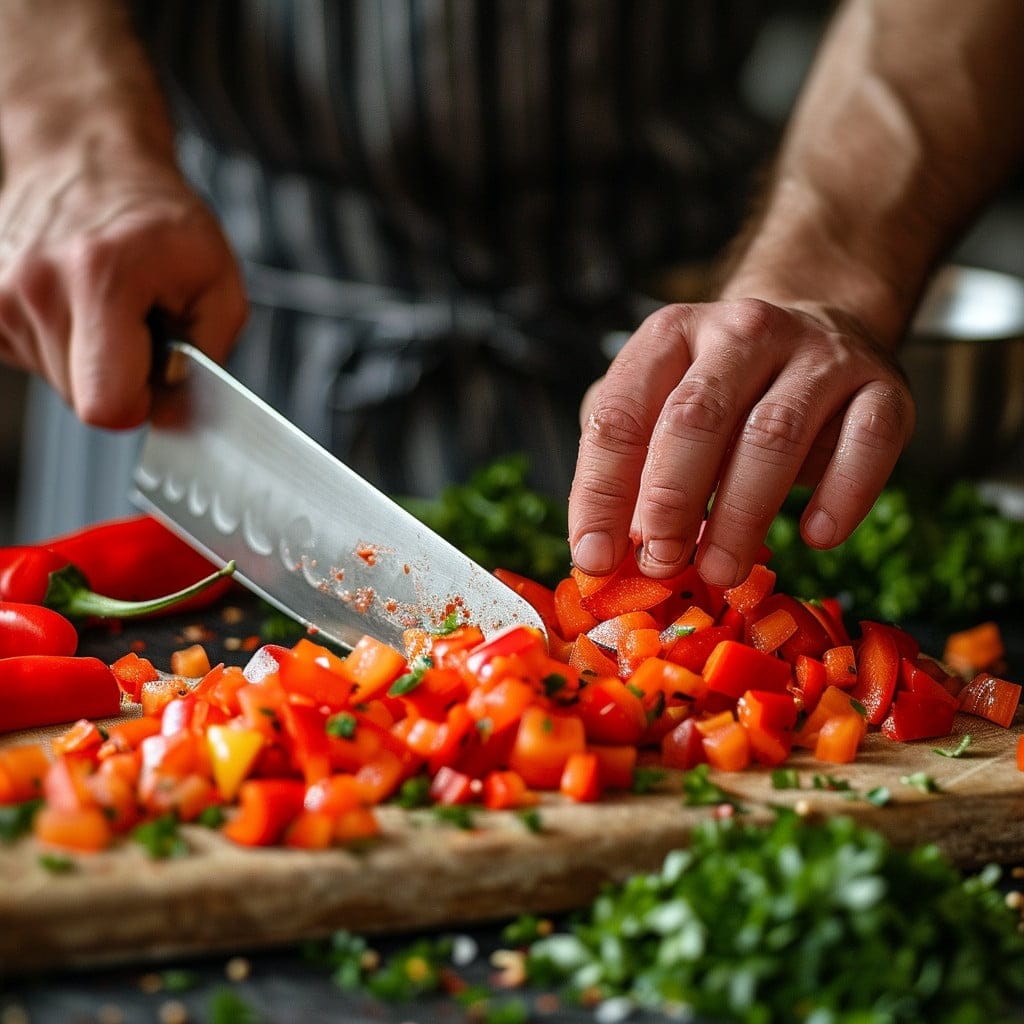
Embracing healthy home cooking is a rewarding commitment that benefits both your body and mind. By applying the strategies and tips discussed, you can enjoy flavorful, nutritious meals prepared with care and mindfulness. Remember, consistency and balanced choices are key to maintaining these habits and achieving your health objectives over time.