Learning how to avoid overeating is essential for maintaining a healthy lifestyle and achieving overall wellness. Excessive eating can stem from various psychological and physical factors, including emotional triggers and habitual behaviors. Understanding these underlying causes enables individuals to adopt effective strategies for mindful consumption, promote balanced nutrition, and foster healthier habits. By developing awareness of hunger cues and creating supportive environments, one can significantly reduce the risk of overeating and improve their quality of life.
Understanding Overeating
Overeating is a complex behavior influenced by a combination of psychological and physical factors. Recognizing the underlying causes is essential for developing effective strategies to manage and prevent excessive food intake. This understanding helps individuals identify triggers and adopt healthier habits that support their overall well-being.
Many people struggle with overeating without fully understanding its roots. It often stems from emotional states, habitual patterns, or biological responses that drive the desire to eat beyond the body’s actual needs. By exploring these factors, individuals can gain insight into their eating behaviors and work towards more balanced and mindful consumption.
Psychological and Physical Factors that Lead to Overeating
Overeating is frequently driven by a blend of mental and physiological influences. These factors can create a cycle where the desire to eat excessively becomes habitual or emotionally reinforced, making it challenging to maintain moderation.
Physiologically, the body’s regulation of hunger and satiety involves complex hormonal signals. Disruptions in these signals, such as imbalances in leptin and ghrelin, can cause persistent feelings of hunger or reduced satiety, prompting individuals to eat more than necessary. Additionally, certain medical conditions, like hypothyroidism or insulin resistance, can alter metabolism and increase appetite.
On the psychological front, stress, anxiety, and depression often serve as significant triggers for overeating. These emotional states can lead to what is commonly referred to as ’emotional eating,’ where food becomes a temporary source of comfort or distraction. Habitual patterns, such as eating out of boredom or as a response to environmental cues like the sight of tempting foods, also play a vital role in encouraging overconsumption.
Common Emotional Triggers for Excessive Eating
Understanding emotional triggers is crucial for addressing overeating rooted in psychological responses. These triggers can vary from person to person but generally involve certain emotional states or situations that prompt excessive eating as a coping mechanism.
Emotional triggers include feelings of loneliness, frustration, sadness, or stress that individuals attempt to soothe through food. For example, many people find comfort in snacking during stressful workdays or after emotional conflicts, seeking solace in familiar tastes. Boredom can also lead to mindless eating, where individuals reach for snacks simply because they are seeking stimulation or distraction.
Furthermore, certain memories or associations with specific foods can evoke cravings, especially if those foods are linked to positive experiences or childhood memories. These emotional cues often bypass rational decision-making, leading to overeating despite physical fullness.
Impact of Overeating on Overall Health and Well-Being
Engaging in frequent overeating can have significant adverse effects on both physical health and emotional stability. Over time, it contributes to the development of various health conditions and diminishes quality of life.
Physically, excessive food intake, particularly of high-calorie, nutrient-poor foods, can lead to weight gain and obesity. This, in turn, increases the risk of chronic diseases such as type 2 diabetes, hypertension, cardiovascular disease, and certain cancers. Overeating can also cause digestive discomfort, including bloating, acid reflux, and irregular bowel movements.
Emotionally, persistent overeating may foster feelings of guilt, shame, or low self-esteem, perpetuating a cycle of negative self-perception. It can also exacerbate mental health issues like anxiety and depression, creating a detrimental feedback loop that affects overall well-being.
Recognizing the multifaceted nature of overeating underscores the importance of addressing both psychological and physical factors. Approaching this challenge with compassion and awareness paves the way for sustainable behavioral changes that promote health and happiness.
Recognizing Hunger and Fullness Cues

Understanding the body’s natural signals for hunger and fullness is essential in preventing overeating. Many individuals struggle with distinguishing genuine hunger from emotional or habitual urges, which can lead to consuming more food than necessary. Developing awareness of these cues helps foster mindful eating practices, supporting overall health and well-being.
This section explores effective methods for identifying true physical hunger, differentiating it from emotional or habitual eating triggers, and provides strategies to tune into your body’s signals before reaching for food. Mastery of these skills empowers individuals to make conscious food choices aligned with their body’s needs.
Methods to Identify True Hunger Versus Emotional or Habitual Eating
Recognizing the difference between physical hunger and other eating triggers involves paying attention to specific internal cues and understanding the context of your cravings. True hunger typically develops gradually and manifests through physical sensations, whereas emotional or habitual eating often occurs suddenly and is driven by feelings or routines rather than physiological needs.
Effective methods to discern these differences include:
- Assess the timing and context of your craving. Hunger usually emerges several hours after a meal and is not tied to specific emotional states or habitual cues. Conversely, cravings that appear in response to stress, boredom, or certain environments may indicate emotional or habitual eating.
- Check for physical hunger signals. These include a growling stomach, low energy, lightheadedness, or mild stomach discomfort. Emotional hunger might manifest as a desire for specific comfort foods without physical symptoms.
- Pause and reflect before eating. Taking a moment to evaluate whether you are truly hungry can prevent impulsive eating driven by emotions or routines.
Developing this awareness requires mindfulness and practice. Over time, you will become more attuned to your body’s natural hunger signals, enabling healthier and more intentional eating habits.
Comparison Table of Physical Hunger Signs and Emotional Eating Cues
Understanding the subtle differences between physical hunger and emotional triggers can be challenging. The following table provides a clear comparison to assist in identifying these cues more accurately:
| Physical Hunger Signs | Emotional Eating Cues |
|---|---|
Gradual onset
|
Sudden urge
|
Physical sensations
|
Emotional triggers
|
Specific food craving
|
Specific comfort food craving
|
Relieved after eating
|
Persistent thoughts about food
|
Timing
|
Triggered by emotions or routines
|
Strategies to Tune Into Body Signals Before Reaching for Food
Enhancing awareness of your body’s signals can significantly reduce impulsive eating. Implementing mindful practices encourages a more intentional approach to eating, allowing you to differentiate between genuine hunger and other urges.
Key strategies include:
- Pause and assessBefore eating, take a few deep breaths and ask yourself if you are genuinely hungry. Consider whether you are experiencing physical sensations of hunger or if other factors, like stress or boredom, are influencing your desire to eat.
- Rate your hunger levelUse a simple scale from 1 to 10, where 1 indicates extreme fullness and 10 signifies extreme hunger. Aim to eat when your hunger level reaches around 3 or 4, indicating mild to moderate hunger.
- Identify emotional statesRecognize if you are feeling anxious, lonely, or frustrated. If emotional factors are present, explore alternative coping mechanisms such as walking, journaling, or practicing relaxation techniques.
- Engage in mindful eatingFocus on the sensory experience of food, including taste, texture, and aroma. Eating slowly helps your brain recognize satiety signals and prevents overeating.
- Maintain regular meal patterns
Consistent eating schedules reduce the likelihood of extreme hunger, which can lead to overeating and impulsive food choices.
“Listening to your body’s signals is the foundation of mindful eating and prevents the cycle of emotional eating and overeating.”
Practical Techniques to Prevent Overeating

Implementing effective strategies can significantly reduce the tendency to overeat, promoting healthier eating habits and better overall well-being. These practical techniques focus on cultivating awareness during meals, adjusting eating behaviors, and creating a mindful environment that discourages overeating.
Adopting these methods can help individuals listen more attentively to their body’s signals, enjoy their meals more fully, and avoid common pitfalls such as eating out of boredom or distraction. Consistent application of these techniques can foster a sustainable relationship with food and support long-term health goals.
Step-by-step Guide to Mindful Eating Practices
Practicing mindful eating involves a deliberate, attentive approach to food consumption, encouraging awareness of physical hunger, the eating process, and satiety cues. The following steps serve as an effective framework to develop this habit:
- Set an intention before eating: Begin each meal with a moment of reflection, acknowledging your purpose for eating and committing to attentive consumption.
- Choose a calm environment: Minimize distractions by sitting in a quiet space, free from television, smartphones, or other interruptions that divert attention away from the meal.
- Use smaller portions: Serve smaller servings to prevent overeating and make it easier to stop when satisfied rather than overly full.
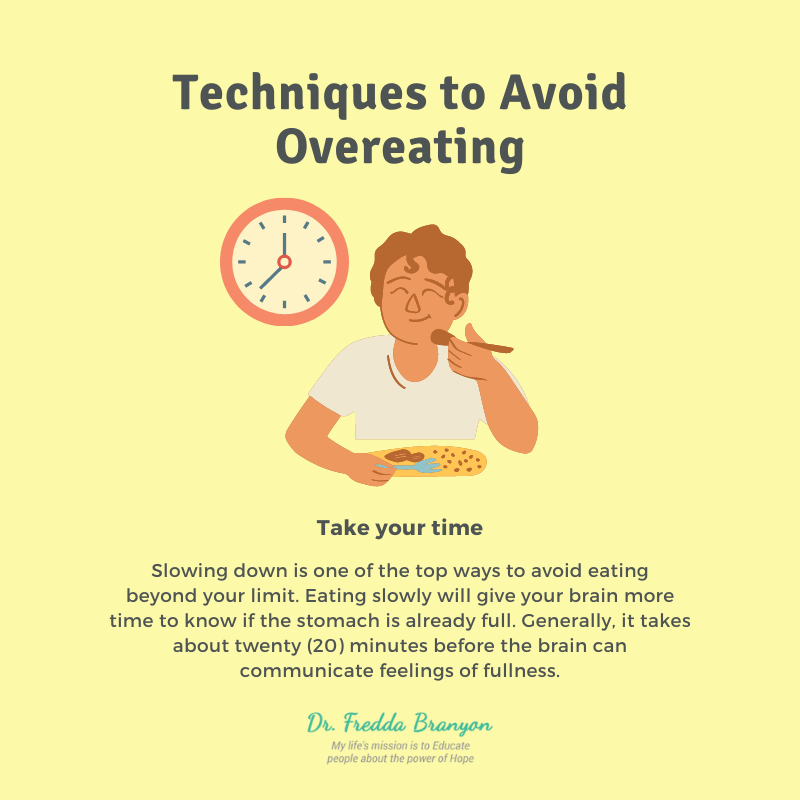
- Eat slowly and chew thoroughly: Take time with each bite, savoring flavors and textures, which enhances satisfaction and provides your body time to recognize fullness signals.
- Pause between bites: Put down utensils periodically to assess your hunger levels and enjoy the eating experience fully.
- Assess hunger and fullness: Regularly check in with your body—ask yourself if you are genuinely hungry or if you are eating out of habit or emotion.
- Stop when comfortably satisfied: Conclude your meal once you feel about 80% full, avoiding the tendency to continue eating out of habit or distraction.
Actionable Tips to Slow Down Eating and Increase Awareness
Slowing down during meals encourages better digestion and helps prevent overeating by allowing your body’s signals to catch up with your eating pace. Here are practical tips to achieve this:
- Put utensils down between bites: This simple action naturally reduces the speed of eating and encourages mindful chewing.
- Take smaller bites: Smaller bites are easier to chew thoroughly, which extends meal duration and enhances savoring of flavors.
- Practice pausing for a moment: After every few bites, take a deep breath or a sip of water, giving your body time to register fullness.
- Use a timer or clock: Allocate a minimum of 20-30 minutes for meals to promote slower eating and better digestion.
- Focus on flavors and textures: Engaging your senses makes eating more enjoyable and naturally slows down the process.
Distraction-Free Eating Habits
Distractions during meals can lead to mindless overeating, as attention is diverted from hunger and fullness cues. Adopting distraction-free habits enhances awareness and enjoyment of food:
- Turn off electronic devices: Avoid phones, tablets, and televisions during meals to maintain focus on eating.
- Create a dedicated eating space: Use a specific place for meals that is calm and free of clutter or other distractions.
- Set aside dedicated meal times: Establish regular, unhurried meal periods to foster mindful eating without multitasking.
- Engage your senses: Notice the aroma, textures, and colors of your food, which helps anchor your attention and increases satisfaction.
- Avoid eating on the go: Sit down at a table whenever possible, allowing you to fully focus on the eating experience and recognize satiety signals.
Meal Planning and Portion Control
Effective meal planning and mindful portion control are essential strategies to maintain a balanced diet and prevent overeating. By preparing meals thoughtfully and managing serving sizes, individuals can enjoy their favorite foods while avoiding excess intake that may lead to weight gain or nutritional imbalance. These practices foster awareness of appropriate quantities and support long-term healthy eating habits.
Implementing practical methods for meal preparation and using tools to accurately gauge portion sizes can significantly enhance one’s ability to eat in moderation. This approach encourages consistency, reduces impulsive eating, and helps individuals better understand their body’s hunger and fullness cues in relation to realistic serving sizes.
Methods for Effective Meal Preparation Promoting Appropriate Portion Sizes
Careful planning of meals involves selecting nutrient-dense foods and portioning ingredients before cooking. Preparing meals in advance allows for better control over portion sizes, minimizes reliance on high-calorie convenience foods, and encourages balanced nutrition. Batch cooking and pre-portioning leftovers into individual containers serve as effective strategies to ensure consistent serving sizes throughout the week.
- Designing a weekly meal plan that includes standard portion sizes for each food group helps prevent overeating and promotes variety.
- Using batch cooking methods enables portion control by dividing prepared meals into appropriately sized servings immediately after cooking.
- Pre-portion snacks and meals into single-serving containers to eliminate the temptation of overeating from large containers or packages.
Standard Serving Sizes for Common Foods
Understanding standard serving sizes provides a foundation for controlling portions across various food groups. The following table illustrates typical serving sizes for common foods, aiding in better meal planning and portion awareness:
| Food Item | Standard Serving Size | Examples |
|---|---|---|
| Cooked Rice, Pasta, or Grains | 1/2 cup | Approximately the size of a cupcake wrapper |
| Cooked Meat, Poultry, or Fish | 3 ounces | Deck of playing cards or the palm of your hand |
| Fresh Fruits | 1 medium piece or 1 cup chopped | Apple, banana, or berries in a cup |
| Vegetables | 1 cup raw or cooked | Large fist or a baseball |
| Cheese | 1.5 ounces | Approximately the size of four dice |
| Breads or Cereals | 1 slice or 1 cup | Slice of bread or a standard bowl of cereal |
Using Measuring Tools and Visual Cues for Portion Control
The use of measuring tools and visual cues enhances precision in serving sizes, making it easier to stick to recommended portions and avoid overeating. These methods serve as practical aids, especially during the initial stages of adopting healthier eating habits.
- Measuring cups, spoons, and food scales provide accurate measurements, helping individuals learn what appropriate portions look like for different foods.
- Visual cues such as using your hand as a guide—palm for meat, cupped hand for grains, and fist for vegetables—serve as convenient, on-the-go references.
- Plating food in smaller dishes creates an illusion of fullness, which can psychologically satisfy hunger without excessive portions.
“Practicing mindful portioning with tools and visual cues enables better control over intake and supports sustainable healthy eating habits.”
Healthy Eating Habits and Lifestyle Changes
Adopting sustainable eating habits and making thoughtful lifestyle modifications are essential components in managing overeating. These strategies help establish a balanced relationship with food, enhance satiety, and support overall health. By integrating nutrient-dense foods and adjusting daily routines, individuals can create an environment conducive to mindful eating and moderation.
Incorporating high-fiber and protein-rich foods into daily diets plays a significant role in curbing excessive calorie intake. These foods promote feelings of fullness and stabilize blood sugar levels, reducing the likelihood of overeating. Coupled with consistent lifestyle changes such as regular physical activity, adequate sleep, and stress management, these habits foster a holistic approach to maintaining a healthy weight and preventing overeating.
Incorporating High-Fiber and Protein-Rich Foods
High-fiber and protein-rich foods are key to increasing satiety and controlling appetite. Dietary fiber adds bulk to meals, slows digestion, and prolongs feelings of fullness. Protein, on the other hand, is known for its ability to suppress hunger hormones and stimulate the release of satiety signals. Including these nutrients in meals helps reduce the urge to snack excessively and supports weight management.
Examples of such foods include:
- High-fiber foods: Whole grains (oats, brown rice), legumes (lentils, chickpeas), vegetables (broccoli, carrots), fruits (apples, berries), seeds (chia, flaxseed)
- Protein-rich foods: Lean meats (chicken, turkey), fish (salmon, tuna), eggs, dairy products (Greek yogurt, cottage cheese), plant-based proteins (tofu, tempeh)
Balanced Meal Compositions
Constructing meals that balance macronutrients ensures sustained energy levels and reduces overeating tendencies. A well-balanced meal typically includes a source of protein, healthy fats, complex carbohydrates, and fiber, providing both nourishment and satiety.
Here are examples of balanced meal components:
Example 1: Grilled salmon with quinoa, steamed broccoli, and a side of mixed greens drizzled with olive oil and lemon.
Example 2: Chicken stir-fry with assorted vegetables over brown rice, topped with sesame seeds.
Example 3: Lentil soup accompanied by a whole-grain roll and a side of sliced avocado and cherry tomatoes.
Comparison of Lifestyle Modifications Supporting Moderation
Choosing appropriate lifestyle changes can significantly impact eating habits and help prevent overeating. The following chart compares various modifications, highlighting their benefits and practical considerations:
| Lifestyle Modification | Benefits | Practical Considerations |
|---|---|---|
| Regular Physical Activity | Increases energy expenditure, improves mood, reduces stress, enhances appetite regulation | Requires consistency; activities like walking, cycling, or swimming are accessible options |
| Prioritizing Adequate Sleep | Regulates hunger hormones, reduces cravings, supports metabolic health | Establishing a sleep routine; minimizing screen time before bed |
| Stress Management Techniques | Reduces emotional eating, improves mental well-being | Practices like mindfulness, meditation, or yoga; allocating quiet time daily |
| Mindful Eating Practices | Enhances awareness of hunger/fullness cues, fosters enjoyment of meals | Slowing down during meals; eliminating distractions like screens |
| Consistent Meal Scheduling | Prevents excessive hunger, stabilizes blood sugar, reduces impulsive snacking | Planning meals ahead; maintaining regular eating times even on busy days |
Psychological Strategies for Overeating Prevention
Overeating is often intertwined with emotional and psychological factors that influence eating behaviors beyond physical hunger. Developing emotional resilience and adopting psychological strategies can significantly decrease the likelihood of binge urges and promote healthier eating habits. Recognizing the mental triggers that lead to overeating empowers individuals to respond more mindfully and effectively, fostering a sustainable approach to maintaining a balanced diet.
This section explores key psychological techniques such as cognitive restructuring and stress management, along with methods for monitoring emotional and eating patterns. Implementing these strategies can help build mental strength, reduce emotional eating episodes, and support long-term healthy habits.
Developing Emotional Resilience Against Binge Urges
Building emotional resilience involves cultivating a mindset that enables individuals to cope with stress, negative emotions, and setbacks without resorting to food as a comfort. A structured plan for developing this resilience includes self-awareness, emotional regulation skills, and fostering a positive self-image. Regularly practicing mindfulness and self-compassion contributes to a stronger mental state, making it easier to resist urges to overeat during challenging times.
Cognitive Restructuring Techniques
Cognitive restructuring is a therapeutic approach that helps individuals identify and challenge distorted thoughts related to eating, body image, and self-worth. This method involves recognizing negative or irrational beliefs, such as “I failed because I ate too much,” and replacing them with balanced, realistic perspectives like “One slip does not define my progress.” Implementing these techniques reduces emotional triggers that lead to overeating and fosters healthier thought patterns.
“Changing the way you think about food and yourself can significantly diminish emotional eating triggers and promote a positive relationship with nutrition.”
Stress Management Methods
Stress is a prominent catalyst for emotional and binge eating. Incorporating stress reduction techniques into daily routines can diminish the frequency and intensity of overeating episodes. Effective methods include mindfulness meditation, deep breathing exercises, progressive muscle relaxation, and physical activity like walking or yoga. These practices help regulate cortisol levels and foster a calmer state of mind, reducing the impulse to seek comfort in food during stressful moments.
Tracking Eating Patterns and Emotional States
Monitoring both food intake and emotional states provides valuable insights into the connections between emotions and overeating. Keeping detailed records enables individuals to identify patterns, triggers, and emotional cues that often precede binge episodes. The following table illustrates an organized approach to tracking these factors:
| Date | Time | Food Consumed | Emotional State | Trigger or Situation | Notes/Responses |
|---|---|---|---|---|---|
| 2024-04-15 | 6:30 PM | Grilled chicken, vegetables, small dessert | Anxious, stressed | Work deadline approaching | Tried deep breathing, felt calmer |
| 2024-04-16 | 12:00 PM | Salad, fruit | Happy, relaxed | Lunch with friends | Enjoyed meal without overeating |
| 2024-04-17 | 8:00 PM | Ice cream, chips | Lonely, bored | At home alone after dinner | Recognized emotional cue, went for a walk instead |
Regularly updating this log enhances self-awareness, helping to develop tailored psychological responses and prevent future overeating episodes rooted in emotional states.
Creating Supportive Environments
Modifying both home and social settings plays a crucial role in fostering healthier eating behaviors and preventing overeating. By establishing environments that encourage mindful choices and reduce temptations, individuals can better adhere to their nutritional goals and develop sustainable habits. The physical layout, social influences, and available cues all contribute significantly to eating patterns, making environmental adjustments a vital component of effective overeating prevention strategies.
Implementing thoughtful changes in surroundings can create a positive feedback loop where supportive cues promote moderation, mindfulness, and balanced consumption. This proactive approach empowers individuals to make healthier choices consistently and reduces the likelihood of impulsive overeating triggered by external factors.
Environmental Factors Influencing Eating Behaviors
Understanding the key environmental factors that influence eating habits allows for targeted modifications that support mindful eating and prevent overeating. These factors include the availability and accessibility of food, social dynamics, physical layout, and visual cues within one’s environment.
| Factor | Impact on Eating Behavior | Modification Strategies |
|---|---|---|
| Food Accessibility | Easy access to unhealthy snacks or large portions encourages overeating | Keep nutritious foods within reach; limit availability of high-calorie temptations in visible areas |
| Environmental Cues | Visual cues like large plates or display of tempting foods can trigger excess intake | Use smaller plates and bowls; arrange healthier options prominently; remove clutter from dining areas |
| Social Influences | Eating with peers who indulge excessively may lead to similar behaviors | Encourage mindful eating among friends; create social settings that promote moderation |
| Physical Layout | Living spaces that lack designated areas for mindful eating can lead to distracted or emotional eating | Designate specific areas for meals; remove distractions like screens during eating times |
| External Stressors | High-stress environments may trigger emotional or impulse eating | Introduce calming routines; create relaxing spaces at home to reduce stress-induced eating |
Supportive Habits Among Peers
Fostering a community or social circle that values healthy eating habits can significantly influence individual behaviors. Supportive habits among peers not only motivate accountability but also cultivate a culture of mindful consumption.
- Meal Sharing with Healthy Focus: Organize regular group meals emphasizing balanced and moderation-focused dishes, encouraging collective mindfulness.
- Positive Reinforcement: Celebrate efforts to make healthier choices, such as complimenting mindful portions or resisting temptations.
- Educational Initiatives: Share knowledge about nutrition and mindful eating practices during social gatherings to reinforce healthy habits.
- Creating Rituals: Establish routines like starting meals with gratitude or mindful breathing exercises to promote presence during eating.
- Peer Accountability: Support each other in setting and maintaining realistic goals related to eating behaviors, providing encouragement and constructive feedback.
By cultivating an environment where healthy choices are normalized and supported socially, individuals are more likely to sustain mindful eating habits and avoid overeating tendencies. Encouraging open communication and shared commitment within peer groups fosters resilience and promotes long-term positive change in dietary behaviors.
Ultimate Conclusion
In conclusion, mastering how to avoid overeating involves a comprehensive approach that includes recognizing true hunger, practicing mindful eating, planning balanced meals, and cultivating a supportive environment. Implementing these techniques can empower individuals to make healthier choices, prevent emotional eating, and sustain long-term well-being. Taking proactive steps today ensures a healthier and more balanced future.