Attending social gatherings often presents the challenge of managing food intake while enjoying the festivities. Understanding effective strategies to avoid overeating can help you maintain a balanced diet without sacrificing social engagement.
This guide offers practical tips on preparing beforehand, navigating food displays wisely, practicing mindful eating, choosing healthier options, and reflecting after events to sustain healthy habits and enjoy parties responsibly.
Strategies to Manage Hunger Before Attending Parties
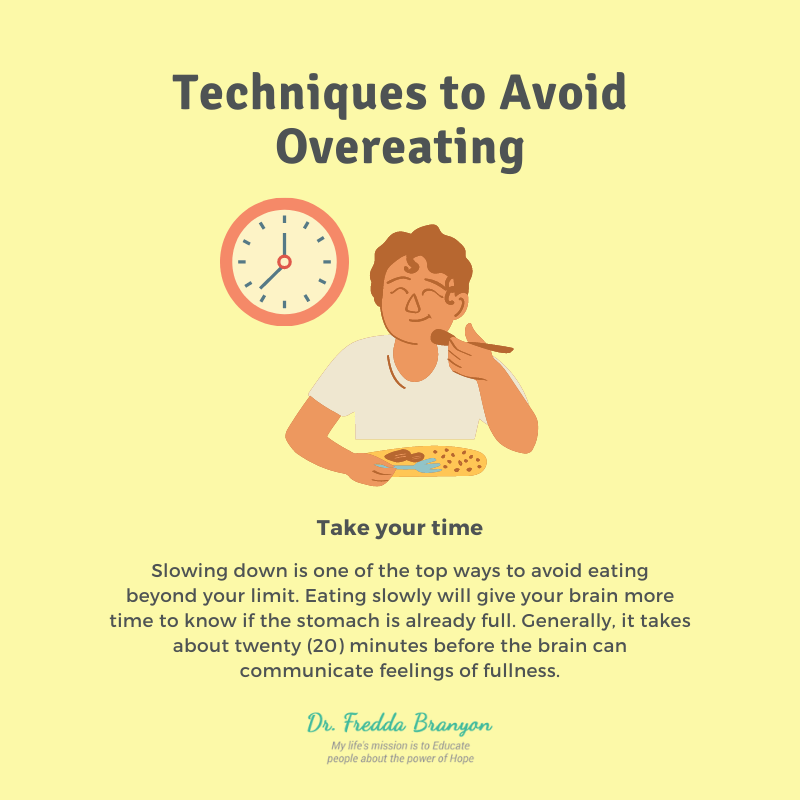
Attending social gatherings often involves tempting food displays and a lively atmosphere that can lead to overeating. Preparing your appetite beforehand is a practical approach to maintain control and enjoy the event without guilt. By adopting specific strategies, you can curb unnecessary hunger, support satiety, and make healthier choices during the party. These methods not only promote better portion control but also contribute to your overall wellness and dietary goals.A well-thought-out plan to manage hunger prior to social occasions encompasses consuming nutritious snacks or meals, choosing filling foods that sustain satiety, and maintaining adequate hydration.
These techniques work synergistically to stabilize blood sugar levels and reduce the likelihood of impulsive overeating once at the event. Integrating these practices into your routine can foster mindful eating habits, making social gatherings more enjoyable and aligned with your health objectives.
Preparing with Healthy Snacks or Meals
Building a foundation of nutrient-dense foods before heading to a party helps suppress excessive hunger and prevents impulsive snacking on less healthy options. It is advantageous to plan and consume a balanced snack or small meal approximately 1-2 hours prior to attending the event. Such meals should include a combination of lean proteins, fiber-rich carbohydrates, and healthy fats to provide sustained energy and fullness.For example, a handful of almonds paired with a piece of fruit, or a small serving of Greek yogurt mixed with berries and chia seeds, can effectively curb immediate hunger.
These options offer a slow-digesting source of energy that keeps you feeling full longer, reducing the temptation to indulge in high-calorie party foods. Preparing these snacks in advance ensures convenience and adherence to healthy eating habits, especially when time is limited before social engagement.
Incorporating Filling Foods for Satiety
Choosing foods that promote satiety at the outset of the event can significantly decrease the desire to overeat. Filling foods are typically high in fiber, protein, or healthy fats, which contribute to feeling satisfied after consumption. Including such foods in your pre-party meal or snack can help you enjoy the social experience without feeling deprived or overly hungry.Examples of filling foods include lean meats, eggs, legumes, whole grains, nuts, seeds, and vegetables.
For instance, a salad with mixed greens, chickpeas, avocado slices, and grilled chicken can provide a hearty and satisfying option. These foods not only add nutritional value but also slow digestion, maintaining a sense of fullness throughout the event. Strategically incorporating these into your pre-party routine enhances your ability to make mindful choices and resist excessive snacking.
Establishing a Routine for Hydration and Its Role in Satiety
Staying adequately hydrated plays a vital role in managing hunger because thirst can often be mistaken for hunger. Developing a routine to drink water regularly before and during social events helps maintain hydration levels and supports feelings of fullness. Consuming a glass of water about 20-30 minutes prior to leaving for the party can diminish feelings of hunger and prevent overeating once there.Furthermore, hydration aids in digestion and helps regulate appetite hormones.
Incorporating herbal teas or infused water with slices of citrus, cucumber, or mint can make drinking fluids more enjoyable and encourage consistent intake. Recognizing the importance of hydration as part of your pre-event strategy ensures you are physically prepared, reducing the likelihood of mistaking thirst for hunger and making healthier choices easier to sustain during social gatherings.
Tips for Navigating Food Display and Buffet Settings

Attending social gatherings with buffet-style food presentation offers a variety of tempting options, making it a challenge to maintain control over portion sizes and healthy choices. Being strategic in how you approach food displays can significantly help prevent overeating while still allowing you to enjoy the event. Implementing mindful strategies when assessing food options ensures that your choices align with your nutritional goals and keeps your appetite in check.Careful navigation through buffet settings involves more than just selecting what looks appealing.
It requires evaluating options responsibly, understanding appropriate portion sizes, and prioritizing nutritious foods over indulgent treats. Mastering these techniques can help you enjoy the festivities without compromising your health objectives.
Assessing Available Food Options Responsibly
To make mindful decisions at a buffet, start by taking a moment to survey all available options before filling your plate. This step helps prevent impulsive choices driven by immediate temptation. Consider the following approach:
- Observe the entire spread to identify a variety of food categories, including vegetables, proteins, grains, and desserts.
- Choose a small plate to limit initial portions, which encourages moderation and allows you to sample a wider range of foods without overeating.
- Prioritize foods that are rich in nutrients, such as fresh salads, grilled lean meats, or steamed vegetables, before considering more indulgent items.
- Identify portion-controlled items, such as pre-portioned servings or individual cups, to help manage intake effortlessly.
- Pause to reflect on your hunger level and how each option aligns with your dietary goals before serving yourself.
This methodical approach ensures that your selections are intentional and balanced, reducing the likelihood of overindulgence amid a tempting variety of foods.
Portion Sizes and Serving Etiquette
Understanding appropriate portion sizes and proper serving etiquette plays a crucial role in controlling intake at buffet settings. Proper knowledge helps maintain moderation and demonstrates respect for shared dining spaces.
| Food Item | Recommended Portion Size | Serving Etiquette Tips |
|---|---|---|
| Vegetables | 1 cup raw or cooked | Use a smaller spoon or tongs to control portions; fill half your plate with vegetables |
| Proteins (meat, fish, poultry) | 3-4 ounces (about the size of a deck of cards) | Opt for lean cuts; serve yourself once rather than multiple small servings |
| Grains (rice, pasta, bread) | ½ to 1 cup cooked | Choose whole grains when available; avoid piling your plate high |
| Desserts | 1 small piece or ½ cup | Share desserts or opt for fruit-based options to satisfy sweet cravings |
Practicing these portion guidelines and serving etiquette helps prevent overeating and promotes balanced consumption during social events.
Prioritizing Nutritious Choices Over Indulgent Items
Making conscious decisions to prioritize nutritious foods enhances satiety and supports overall health, even amidst tempting options. When approaching a buffet, focus on filling your plate with nutrient-dense items first, then consider indulgent treats as a small, mindful addition.Start by selecting a variety of colorful vegetables, fresh fruits, lean proteins, and whole grains. These foods provide essential vitamins, minerals, and fiber, helping you feel full longer and reducing the desire for high-calorie, low-nutrient foods.
If you wish to indulge in desserts or rich appetizers, do so in moderation, perhaps sharing with others or choosing smaller portions.A practical way to implement this is to use a
plate filling technique
: half of your plate with vegetables and fruits, one-quarter with lean proteins, and one-quarter with grains or starchy vegetables. This balanced approach ensures that your body receives vital nutrients while still allowing occasional indulgences.Prioritizing nutritious options not only supports weight management but also enhances enjoyment of social occasions by aligning your choices with your health goals, making the experience both pleasurable and responsible.
Behavioral Techniques to Reduce Overeating During Events
Attending social gatherings often presents challenges to maintaining mindful eating habits, especially with tempting food displays and social pressures. Implementing effective behavioral techniques can significantly aid in controlling intake, allowing individuals to enjoy the event without overindulging. These strategies focus on cultivating awareness, regulating impulses, and engaging in activities that divert attention from constant eating, fostering a healthier relationship with food during social occasions.To successfully manage intake during parties, it is essential to adopt practices that promote deliberate eating and mental discipline.
This involves being attentive to bodily cues, slowing down the pace of consumption, and employing mindfulness to recognize true hunger versus emotional or habitual eating. Moreover, engaging in social activities that shift focus away from food can serve as effective distractions, helping to reduce the temptation to overeat.
Practicing Mindful Eating and Slowing Down Consumption
Mindful eating is a deliberate approach that emphasizes paying full attention to the sensory experience of eating and recognizing internal hunger and satiety signals. This practice enhances the ability to control portions and avoid mindless overeating, particularly in social settings where food is abundant and visually appealing.
- Focus on the taste, texture, and aroma of each bite, savoring every mouthful rather than rushing through the meal.
- Chew slowly and thoroughly, which not only improves digestion but also signals to the brain that fullness is approaching.
- Set down utensils between bites to encourage a slower eating pace and foster awareness of meal timing.
- Pause periodically during meals to assess hunger levels, and consider whether to continue or stop based on physical cues.
Physical cues and mental reminders serve as valuable tools to regulate intake. For example, paying attention to the feeling of fullness or discomfort can prevent overconsumption. Using mental cues such as silently reminding oneself, “I am enough,” or “I will enjoy this without overeating,” reinforces mindful choices. Creating a mental association between eating slowly and feeling satisfied can help sustain control throughout the event.
Engaging in Social Activities that Divert Attention from Eating
Participation in engaging social activities beyond eating provides a natural way to divert focus from food and reduce unnecessary snacking. These activities facilitate meaningful interaction, foster connections, and serve as effective distractions from the buffet or snack table.
- Initiate conversations or join group discussions that require active listening and participation, shifting attention away from food.
- Participate in physical activities available at the event, such as dancing, walking, or interactive games, which promote movement and reduce the urge to snack mindlessly.
- Volunteer to help with event organization or serving, which creates a sense of purpose and limits opportunities for grazing.
- Use non-food rewards during the event, such as complimenting others, engaging in storytelling, or playing team games, to satisfy social needs without relying on food as a primary focus.
Incorporating these behavioral techniques can significantly enhance self-control during social gatherings, making it easier to enjoy the occasion without compromising health goals. By combining mindful eating, awareness of physical cues, and active participation in social activities, individuals can foster a balanced and enjoyable experience that aligns with their nutritional objectives.
Healthy Alternatives and Moderation Strategies
Maintaining a balanced approach to eating at social gatherings is key to enjoying the festivities without overindulging. Incorporating healthier dish options and establishing personal moderation strategies can significantly reduce calorie intake while still allowing you to partake in the celebration. By making mindful choices and setting clear boundaries, you can enjoy the array of flavors without compromising your health goals.Understanding and implementing these strategies empowers you to navigate party menus confidently.
Choosing lower-calorie options, controlling portion sizes, and balancing indulgent treats with nutritious alternatives can create a sustainable approach to social eating. This section offers practical suggestions to help you make smarter selections and manage your intake effectively during events.
Healthy Alternatives to Typical Party Dishes
Parties often feature rich, calorie-dense foods that can tempt even the most disciplined. Opting for healthier dishes ensures you enjoy the social experience while maintaining your nutritional goals. Here are some lower-calorie and nutrient-rich options suitable for various party settings:
- Vegetable platters with hummus or yogurt-based dips
- Grilled or roasted lean proteins such as chicken, turkey, or seafood
- Fruit salads or fresh fruit skewers to satisfy sweet cravings naturally
- Whole grain options like whole wheat wraps or pita bread filled with vegetables and lean proteins
- Stuffed mushrooms with light cheese or vegetable fillings
- Leafy green salads with vinaigrette dressings in small portions
Incorporating these alternatives allows you to indulge in familiar flavors while keeping calorie counts in check. They also provide essential nutrients and fiber, promoting satiety and overall well-being during social events.
Setting Personal Limits for Snacks and Desserts
Establishing boundaries around snack and dessert consumption is a crucial moderation strategy. Without clear limits, it’s easy to overconsume high-calorie treats that can undermine your dietary goals. To maintain control:
- Decide on a specific number of small portions or pieces of sweets before attending the event, such as two small cookies or a single piece of cake
- Use smaller plates or bowls to naturally limit portion sizes, which helps prevent overeating
- Prioritize savoring each bite, which enhances satisfaction and reduces the need for multiple servings
- Set a time limit for indulging in sweets, such as one round of dessert, rather than grazing continuously
- Balance indulgent treats with healthier options, ensuring a diverse and satisfying meal or snack experience
These tactics foster mindful eating habits, allowing you to enjoy festive treats without exceeding your caloric intake or feeling deprived.
Contrast Between Indulgent and Healthier Options
A helpful visual comparison can guide decision-making at parties. Below is a responsive table contrasting common indulgent dishes with healthier alternatives, highlighting their descriptions and nutritional implications:
| Indulgent Option | Healthier Alternative | Description |
|---|---|---|
| Fried Spring Rolls | Baked Vegetable Spring Rolls | Fried version offers crispy texture with higher fat content; baked provides similar taste with reduced calories and fat. |
| Creamy Cheesy Dip | Greek Yogurt-Based Dip with Herbs | High in saturated fats and calories; yogurt dip is lower in fat, rich in probiotics, and equally flavorful with herbs and spices. |
| Chocolate Cake | Fruit-Based Parfait with Yogurt | Rich in sugars and fats; fruit parfait offers natural sweetness, fiber, and nutrients with fewer calories. |
| Meat-Loaded Nachos | Vegetable Nachos with Salsa and Guacamole | High in saturated fats and sodium; vegetable versions deliver fiber, vitamins, and satisfying textures with fewer calories. |
| Ice Cream Sundaes | Frozen Banana Bites with Dark Chocolate Drizzle | Calorie-dense with added sugars; banana bites are naturally sweet, providing fiber, vitamins, and controlled portions. |
This comparison underscores how choosing healthier options can satisfy cravings while aligning with health-conscious goals, making social eating both enjoyable and balanced.
Post-Party Reflections and Habits to Maintain Balance
After attending social gatherings where food plays a central role, taking time to reflect on your eating habits is essential for maintaining long-term health and balance. Reflection helps identify patterns, triggers, and areas for improvement, reinforcing mindful eating habits that support your wellness goals. Developing routines to restore healthy eating post-event can prevent occasional overeating from becoming a persistent behavior.
Consistently tracking your intake and setting clear moderation goals empower you to stay aligned with your nutritional objectives and foster sustainable habits.
Importance of Reflecting on Consumption Patterns After Events
Reflection provides an opportunity to evaluate your behavior during social occasions, helping you recognize successes and identify challenges. Understanding your eating patterns enables you to make informed adjustments, especially when you notice tendencies such as consuming high-calorie foods or eating beyond fullness. Regular self-assessment encourages accountability and awareness, which are crucial for developing healthier habits over time. Additionally, reflecting on emotional triggers—such as stress or social pressure—can lead to strategies that mitigate impulsive overeating in future events.
Routines for Restoring Healthy Eating Habits Following Parties
Implementing structured routines helps reset your nutritional balance after indulgent gatherings. Some effective practices include:
- Starting the day with a nutritious breakfast rich in fiber and protein to stabilize blood sugar levels.
- Incorporating hydration strategies, such as drinking water or herbal teas, to aid digestion and reduce cravings.
- Planning balanced meals in the days immediately following the event, emphasizing fruits, vegetables, lean proteins, and whole grains.
- Engaging in physical activity, like a brisk walk or yoga, to support digestion and promote overall well-being.
- Practicing mindful eating during subsequent meals to re-establish awareness of hunger and fullness cues.
These routines help reinforce positive habits and counteract any residual effects of overindulgence, fostering a balanced approach to nutrition.
Methods for Tracking Intake and Setting Future Moderation Goals
Accurate tracking and goal-setting are vital in maintaining long-term moderation and accountability. When monitoring your intake:
- Use food diaries or mobile apps to record what and how much you eat, providing insights into consumption patterns.
- Review your logs regularly to identify common triggers for overeating or unhealthy choices.
- Set specific, measurable goals such as reducing portion sizes, limiting certain high-calorie foods, or increasing vegetable intake.
- Establish periodic check-ins to evaluate progress toward your goals, adjusting strategies as needed.
- Celebrate small successes to reinforce positive behaviors and motivate continued effort.
Creating a personal, adaptable framework for tracking and goal-setting ensures ongoing progress and helps you develop sustainable habits that support your overall health and well-being.
Final Thoughts
By implementing these mindful approaches, you can confidently participate in social events while maintaining control over your eating habits. Remember, balance and awareness are key to enjoying parties without compromising your health goals.