Understanding how to calculate daily fats is essential for maintaining a balanced diet and supporting overall health. Accurate measurement of fat intake enables individuals to tailor their nutritional plans according to personal goals, whether for weight management, muscle building, or general wellness. By mastering this process, one can make informed choices about food consumption and ensure they meet their dietary requirements precisely.
This guide provides comprehensive methods for estimating daily fat intake through various tools, including food labels, nutritional databases, and digital apps. It also explores strategies to adjust fat consumption based on specific health objectives, while highlighting common challenges and practical solutions to maintain consistency and accuracy in tracking dietary fats.
Understanding Daily Fat Intake
Monitoring daily fat consumption is fundamental to maintaining a balanced diet and supporting overall health. By understanding how much fat is appropriate for individual needs, one can make informed dietary choices that promote energy, hormone regulation, and cellular health while minimizing the risk of chronic diseases such as heart disease and obesity.
Dietary fats are vital macronutrients that serve multiple roles in the body, including providing a concentrated source of energy, aiding in the absorption of fat-soluble vitamins (A, D, E, and K), and contributing to the structure of cell membranes. Recognizing the different types of fats and their specific functions helps in selecting healthier options and aligning intake with personal health goals.
Types of Dietary Fats and Their Roles
Dietary fats can be categorized into several types, each with unique effects on health. Understanding these differences assists in making balanced dietary choices that support well-being.
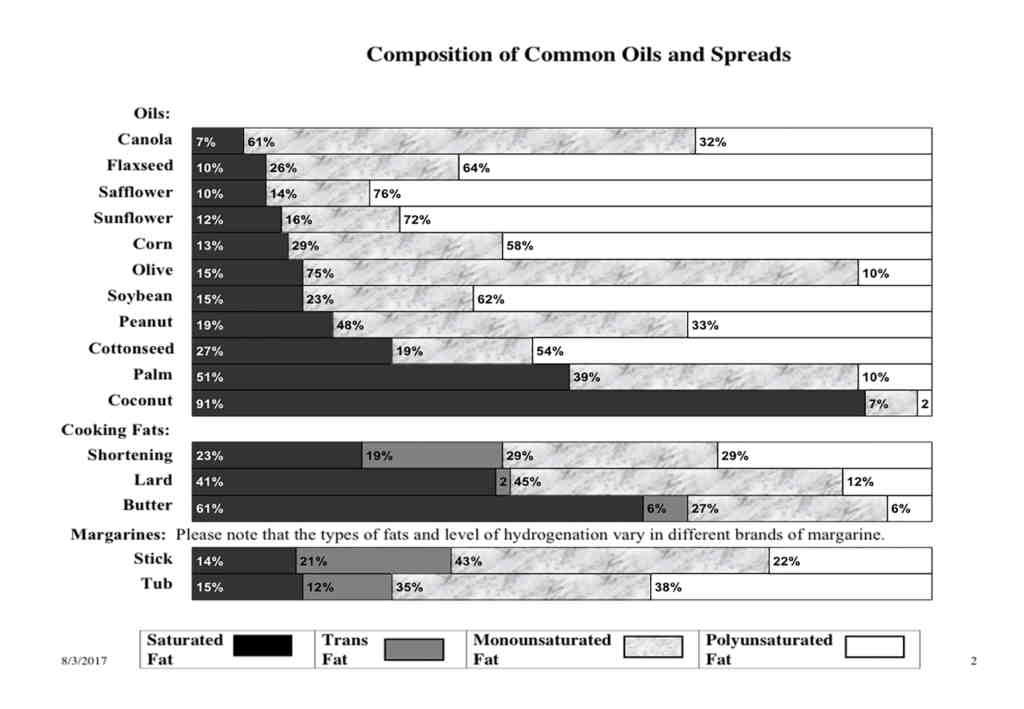
- Saturated Fats: Found primarily in animal products such as meat, dairy, and certain tropical oils like coconut and palm oil. While necessary in small amounts, excessive intake has been linked to increased LDL cholesterol levels and cardiovascular risk.
- Unsaturated Fats: Considered healthier fats, these are predominantly found in plant-based oils, nuts, seeds, and fatty fish. They help reduce bad cholesterol levels and support heart health. Unsaturated fats are further divided into monounsaturated and polyunsaturated fats.
- Trans Fats: Artificially created fats found in processed foods like baked goods, snacks, and margarine. Trans fats are associated with elevated LDL cholesterol and a higher risk of heart disease, and their consumption should be minimized or avoided.
- Essential Fatty Acids: Omega-3 and Omega-6 fatty acids are essential for brain function, inflammation regulation, and cell growth. Rich sources include fatty fish (such as salmon and mackerel), flaxseeds, and walnuts.
Recommended Daily Fat Intake Levels
To optimize health, it is important to adhere to recommended daily fat intake levels that vary based on age, gender, and activity level. These guidelines help ensure sufficient nutrient intake while preventing excess consumption.
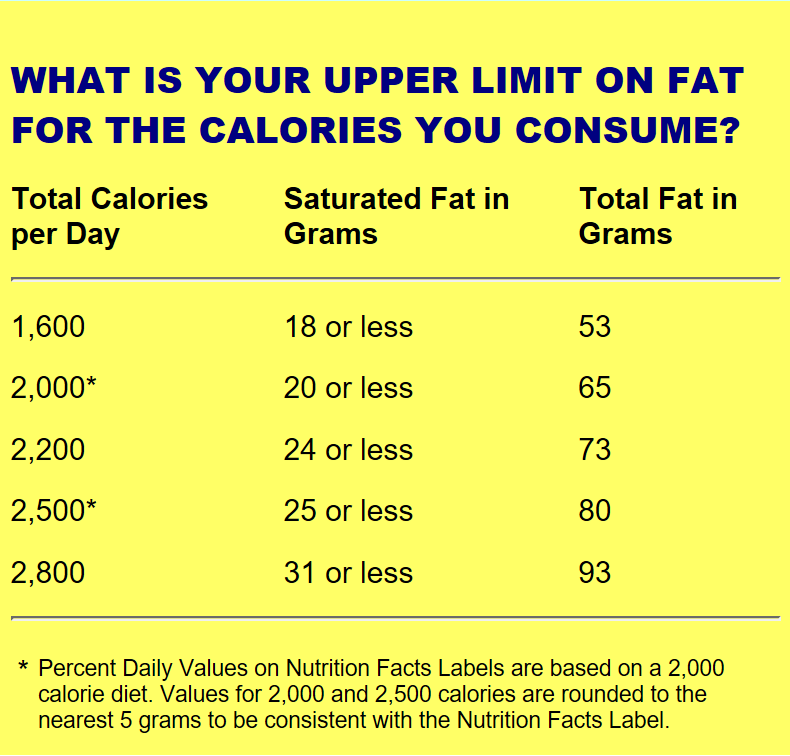
According to dietary recommendations from reputable health organizations, fats should constitute approximately 20-35% of total daily caloric intake. For example, on a standard 2,000-calorie diet:
Daily Fat Intake = Total Calories × Percentage of Calories from Fat ÷ 9
which equals approximately 44 to 78 grams of fat per day.
Specific needs can differ; active individuals or athletes may require higher fat intake to support increased energy expenditure, while older adults might focus on incorporating healthier fats to reduce cardiovascular risks. It is essential to tailor fat consumption based on individual health profiles and lifestyle factors.
Methods to Calculate Daily Fats

Accurately estimating daily fat intake is essential for maintaining a balanced diet and managing health conditions. Various methods enable individuals to track their fat consumption effectively, with two primary approaches being the use of food labels and comprehensive nutritional databases. These methods provide valuable insights into the fat content of different foods, allowing for better dietary planning and adherence to nutritional goals.
Implementing these methods involves measuring portion sizes precisely and converting these measurements into fat grams. This process ensures that the intake calculations are accurate, reflecting the true fat consumption from diverse food sources. By mastering these procedures, individuals can better control their dietary habits and make informed choices aligned with their health objectives.
Estimating Daily Fat Intake Using Food Labels and Nutritional Databases
Estimating daily fat intake begins with gathering detailed information about the foods consumed throughout the day. Food labels, found on packaged items, provide specific data regarding serving size and fat content per serving. For foods without labels, nutritional databases serve as reliable resources for obtaining accurate nutritional information. Both methods require careful measurement and recording to ensure accuracy in calculations.
Using food labels involves examining the nutrition facts panel to identify the fat content per serving. It is crucial to note the serving size and compare it with the amount of food actually consumed. Nutritional databases offer comprehensive data on a wide variety of foods, including fresh produce, restaurant dishes, and processed items, making them indispensable for estimating non-packaged foods.
Consistent use of these sources allows for a detailed and precise calculation of total daily fat intake.
Step-by-Step Guide to Measuring Portion Sizes and Converting to Fat Grams
Accurate portion measurement is fundamental to calculating fat intake. Following a systematic approach ensures consistency and precision in dietary tracking. The steps include selecting appropriate measuring tools, understanding standard serving sizes, and converting the measured portions into grams to determine fat content accurately.
- Gather measuring tools such as digital scales, measuring cups, and spoons.
- Identify the standard serving size for each food item, usually indicated on packaging or in nutritional databases.
- Measure the actual portion consumed using the appropriate tool, ensuring the measurement aligns with the standard serving size or noting the deviation.
- Convert the measured portion into grams if necessary, especially when using volume-based measurements like cups or spoons.
- Refer to food labels or nutritional databases to find the fat content per standard serving.
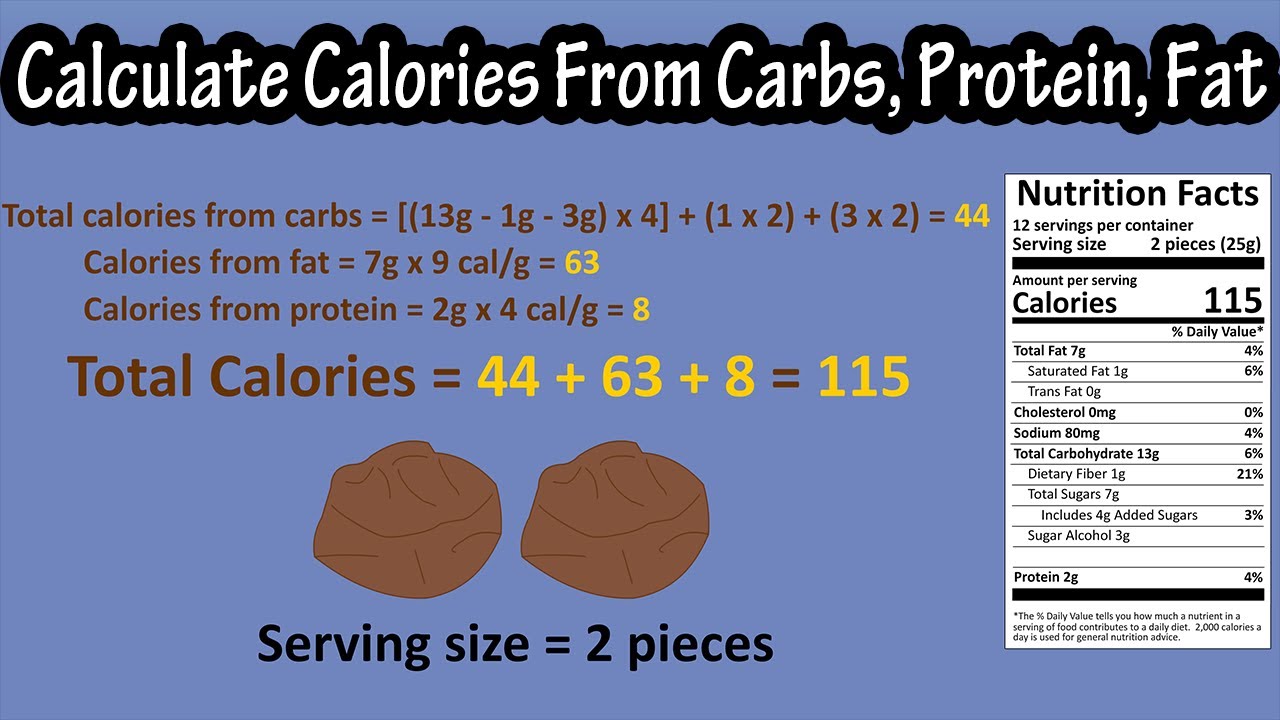
- Calculate the total fat intake by multiplying the fat content per serving by the number of servings consumed. Use the following formula:
Total Fat (g) = Number of Servings × Fat Content per Serving (g)
For example, if a serving of cereal contains 5 grams of fat, and an individual consumes two servings, their total fat intake from this food would be 10 grams. Repeat this process for all foods consumed during the day to obtain an accurate daily total.
Sample Food Item Fat Content Calculation
To illustrate the process, consider the following common foods and their approximate fat contents:
| Food Item | Serving Size | Fat Content per Serving | Total Fat Intake |
|---|---|---|---|
| Banana | 1 medium (118 grams) | 0.3 grams | 0.3 grams |
| Cheddar Cheese | 1 oz (28 grams) | 9 grams | 18 grams (if consuming 2 oz) |
| Grilled Chicken Breast | 3 oz (85 grams) | 3 grams | 3 grams |
| Crunchy Peanut Butter | 2 tablespoons (32 grams) | 16 grams | 16 grams |
| Cooked Pasta | 1 cup (140 grams) | 1 gram | 1 gram |
Using this table, an individual can easily calculate total fat intake for each food item based on portion size, then sum these amounts to estimate daily fat consumption. For example, consuming 2 oz of cheddar cheese adds 18 grams of fat, while a banana adds only 0.3 grams, demonstrating the variability in fat content across different foods. Accurate portion measurement combined with reliable nutritional data ensures precise dietary tracking and helps manage daily fat intake effectively.
Tools and Resources for Fat Calculation
Accurately tracking daily fat intake is essential for maintaining a balanced diet and achieving specific health goals. Modern technology offers a variety of tools and resources designed to simplify this process, making it easier for individuals to monitor their intake consistently and accurately.
Utilizing digital tools and mobile applications can significantly enhance the precision and convenience of fat tracking. These resources often come with extensive food databases, user-friendly interfaces, and analytical features that provide detailed insights into your daily fat consumption. Comparing manual calculation methods with these digital options reveals notable differences in efficiency, accuracy, and ease of use, which can influence your overall approach to dietary management.
Mobile Apps and Online Tools for Fat Tracking
Various mobile applications and online platforms have been developed to facilitate daily fat intake monitoring. These tools typically include comprehensive food databases, barcode scanning features, and customizable meal plans, making tracking straightforward and accessible regardless of your location or dietary preferences.
- MyFitnessPal: Widely used for its extensive food database and barcode scanner, it allows users to log meals easily and view detailed nutrient breakdowns, including fats. It also offers personalized goals based on individual health metrics.
- Lose It!: Focuses on calorie and fat tracking with a simple interface. Users can set daily targets, track their food intake, and analyze macronutrient distribution over time.
- FatSecret: Provides detailed nutritional information, meal logging, and progress charts. Its community features also offer motivation and support.
- Chrono Diet: Emphasizes meal timing and fat intake, suited for users interested in both nutritional content and meal scheduling.
- Online Nutrition Calculators: Websites like Cronometer or the USDA FoodData Central offer free tools where users can input specific food items to calculate their fat content and accumulate totals for the day.
Inputting Food Data into a Calculator or App
Effective use of these tools involves precise input of food items, portion sizes, and preparation methods. Users typically start by selecting the food from the database or entering custom entries for homemade or rare foods. Portion sizes should reflect actual consumption, with options for grams, ounces, cups, or servings.
“Accurate portion measurement and diligent logging are critical to obtaining reliable daily fat intake data.” – Nutrition Expert
Once the food data is entered, the app or calculator automatically computes the fat content based on the provided portion sizes. Summing these values throughout the day offers a comprehensive view of total fat consumption, enabling adjustments to align with dietary goals.
Comparative Analysis of Manual Calculation Versus Digital Tracking
Manual calculation involves summing the fat content of each food item using nutritional labels or databases, which can be time-consuming and prone to human error. It requires meticulous record-keeping and consistent effort to maintain accuracy over time.
In contrast, digital tools automate calculations, reduce the likelihood of mistakes, and often integrate additional features such as trend analysis, goal setting, and reminders. The immediate feedback provided by apps can motivate users to stay within their targets and make informed dietary choices. Despite their advantages, digital tools depend on user input accuracy, and incorrect data entry can still result in misleading results.
| Feature | Manual Calculation | Digital Tracking Tools |
|---|---|---|
| Ease of Use | Requires detailed record-keeping and calculations; time-consuming | User-friendly interfaces; quick data entry and automatic calculations |
| Accuracy | Dependent on user diligence and correct data entry | High, but reliant on accurate input; automated error checks enhance reliability |
| Data Analysis | Limited to manual review; no trend tracking | Provides progress charts, nutrient breakdowns, and goal tracking |
| Accessibility | Requires physical tools like calculators or printed databases | Accessible via smartphones and computers anywhere with internet |
| Additional Features | None | Barcode scanning, meal logging, community support, personalized insights |
Adjusting Daily Fats Based on Goals
Tailoring daily fat intake is essential for aligning dietary habits with individual health and fitness objectives. Whether aiming for weight loss, muscle gain, or maintenance, strategic modifications to fat consumption can optimize results while ensuring nutritional balance and overall well-being.
Understanding how to adjust your fat intake involves considering your caloric needs, macronutrient distribution, and personal preferences. It also requires creating meal plans that not only meet specific fat targets but also support your goals without compromising other vital nutrients. The following sections elucidate strategies for customizing fat intake, designing appropriate meal plans, and selecting suitable high-fat and low-fat options that help you achieve your desired outcomes.
Strategies for Modifying Fat Intake to Achieve Specific Goals
Adjusting dietary fats effectively hinges on understanding the interplay between fats and overall caloric intake, as well as how fats influence body composition and energy levels. Below are tailored approaches for different goals:
- Weight Loss: Reducing overall caloric intake is key. For fats, focus on decreasing intake of high-fat, calorie-dense foods while maintaining healthy fats essential for bodily functions. Emphasize sources like lean meats, fish, vegetables, and moderate amounts of nuts and seeds.
- Muscle Gain: Increasing caloric and protein intake is fundamental. Incorporate moderate amounts of healthy fats to support hormone production, joint health, and recovery. Nutrient-dense sources like avocado, olive oil, and fatty fish can be included within calorie limits.
- Maintenance: Aim for a balanced fat intake aligned with overall caloric needs. Focus on maintaining a consistent ratio of healthy fats to support ongoing health and energy requirements.
In all scenarios, it is crucial to consider the quality of fats, prioritizing unsaturated fats over trans fats and excessive saturated fats. Adjusting fat intake should also be personalized based on individual metabolic responses, activity levels, and dietary preferences.
Procedures for Creating Meal Plans with Specific Fat Targets
Designing meal plans that meet targeted fat intake involves calculating daily fat goals and distributing them appropriately across meals. The process includes:
- Determine daily fat target: Based on total caloric needs and macronutrient ratios suitable for your goal, calculate the grams of fat required per day. For example, if your daily intake is 2000 calories with 25% from fats, your target is 500 calories from fats, which equals approximately 55 grams of fat (since 1 gram of fat equals 9 calories).
- Distribute fat intake across meals: Divide the daily fat target proportionally based on meal frequency and composition. Breakfast might contain 20%, lunch 30%, dinner 40%, and snacks 10%, adjusted for personal preferences.
- Select nutrient-dense food sources: Choose foods that provide healthy fats within each meal to meet the target without exceeding caloric limits.
- Monitor and adjust: Track actual intake using food diaries or apps, and refine the meal plan as needed to stay within the desired fat range while supporting overall nutritional needs.
Consistency and flexibility in meal planning are essential for adapting to changing goals or lifestyle factors, ensuring sustainable and effective dietary adjustments.
High-Fat versus Low-Fat Meal Options with Nutritional Information
Incorporating a variety of meal options helps in achieving specific fat intake targets. Below are examples of high-fat and low-fat meals, including their approximate nutritional contributions:
| Meal Type | Description | Approximate Fat Content | Calories | Key Nutritional Notes |
|---|---|---|---|---|
| High-Fat Meal | Grilled salmon with avocado and olive oil dressing | 40 grams | 600 calories | Rich in omega-3 fatty acids, monounsaturated fats, and essential nutrients for heart health and inflammation reduction. |
| Low-Fat Meal | Grilled chicken breast with steamed vegetables and brown rice | 3 grams | 400 calories | Low in total fats, emphasizing lean protein and complex carbohydrates to support weight management and energy levels. |
| Snack Option (High-Fat) | A handful of mixed nuts (almonds, walnuts) | 18 grams | 200 calories | Healthy fats, fiber, and protein, suitable for those needing increased fat intake or healthy snacking. |
| Snack Option (Low-Fat) | Fresh fruit salad with non-fat Greek yogurt | 1-2 grams | 150 calories | Low in fats, high in vitamins and antioxidants, supporting overall health and hydration. |
Balancing these options within your daily caloric intake allows for tailored dietary plans that align with your specific goals, ensuring nutrient diversity and health benefits.
Common Challenges and Solutions
Accurately tracking daily fat intake can be complex due to various factors such as hidden fats in processed foods, inconsistent data entry, and dining out scenarios. Understanding these challenges and implementing effective solutions is essential for maintaining reliable dietary records. Recognizing potential pitfalls allows individuals to refine their methods, ensuring that their fat intake calculations are as precise as possible, thus supporting their nutritional and health goals effectively.In practice, many face difficulties in estimating fats accurately due to hidden sources or misjudged portion sizes.
Overcoming these issues requires awareness of common pitfalls and adopting strategies that enhance measurement accuracy. From handling ambiguous food labels to adjusting calculations for mixed dishes, each challenge can be addressed through specific techniques that improve consistency and reliability in daily fat tracking.
Frequent Pitfalls in Calculating Daily Fats and How to Overcome Them
Calculating daily fats involves numerous potential pitfalls that can lead to inaccurate estimates, thereby skewing nutritional assessments. Common issues include neglecting hidden fats, misjudging portion sizes, and relying on unreliable sources or outdated data. To counter these problems:
- Overestimating or underestimating portion sizes: Use a digital scale for precise measurement rather than eyeballing portions, especially for foods with high fat content.
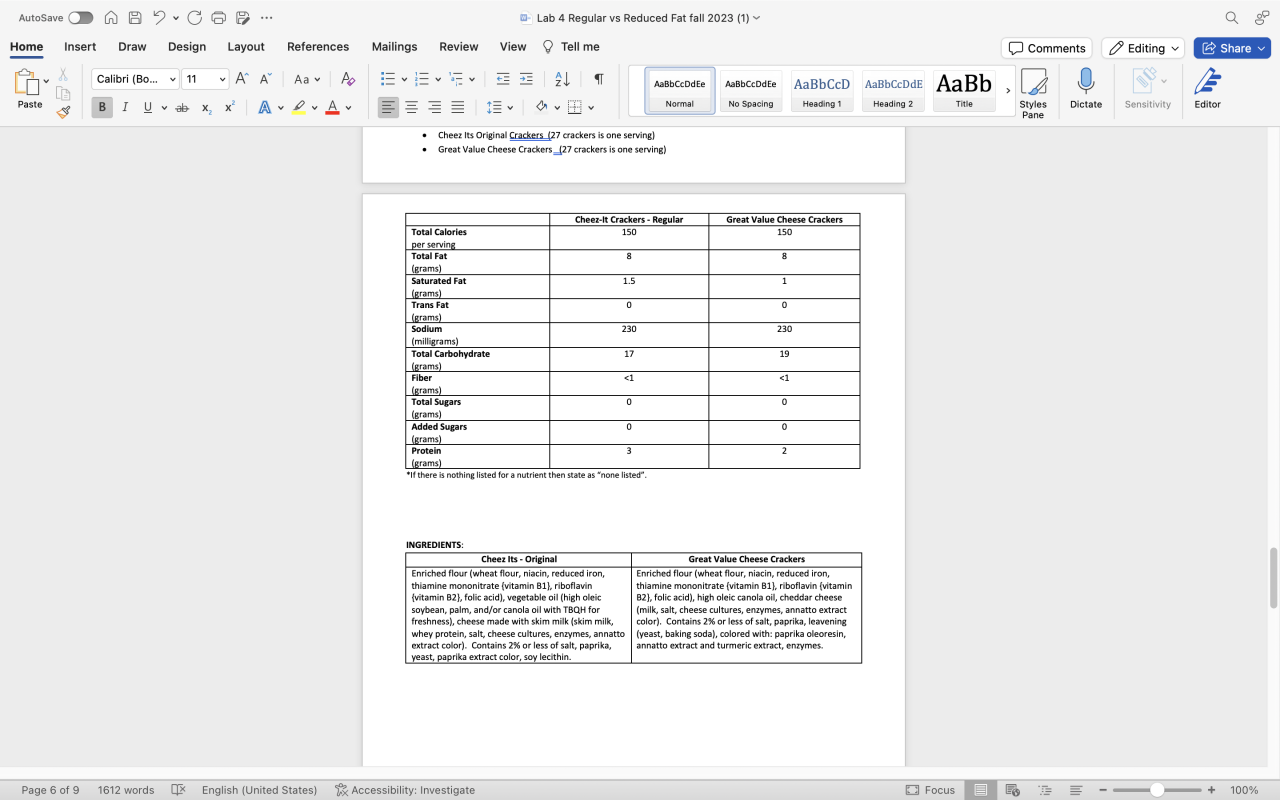
- Ignoring hidden fats in processed and packaged foods: Always read nutrition labels thoroughly, paying attention to serving sizes and fat content per serving. Be aware that foods like baked goods, snack foods, and pre-made meals often contain added fats not immediately obvious.
- Using outdated or inaccurate databases: Regularly update your food database or app to include the latest nutrition information. Cross-reference multiple trusted sources when necessary.
- Neglecting to account for cooking methods: Cooking techniques such as frying or adding fats during preparation can significantly increase fat content. Adjust calculations to include these added fats.
Tips for Accurately Estimating Hidden Fats in Processed Foods
Processed foods often contain hidden fats that can significantly impact daily intake calculations. Accurate estimation is essential for precise tracking. To improve accuracy:
- Always review nutrition labels carefully, noting the total fat content per serving and the serving size. Use the label’s information rather than assumptions.
- When labels are unavailable, research similar products or brands online for nutritional data.
- Be aware of common high-fat processed foods such as fast food items, baked snacks, and convenience meals, and consider their typical fat content in your calculations.
- Account for cooking fats added during preparation, such as oils or butter, and include these in your total fat estimation.
- Use standardized portion sizes and tools like measuring cups or scales to ensure consistency across different foods and meals.
Methods to Improve Consistency in Tracking
Consistency in tracking daily fats is vital for achieving accurate data over time, especially when making dietary adjustments. Implementing systematic approaches can mitigate common errors:
- Maintain a food diary or digital logging app: Use reliable apps with extensive databases, enabling quick and consistent entry of food data.
- Set specific meal and snack routines: Establish regular times for recording food intake to reduce forgetting or skipping entries.
- Use standardized measuring tools: Always measure portions with scales or measuring cups rather than estimating by eye.
- Review and reconcile weekly: Periodically review your logs to identify discrepancies or inconsistencies and correct them promptly.
- Prepare meals in advance and record beforehand: Planning meals ahead reduces impulsive entries and ensures more accurate portion tracking.
Recalculating Fats When Dining Out or Consuming Mixed Dishes
Eating out or consuming dishes with multiple ingredients presents a challenge for accurate fat calculation. Detailed procedures can help refine estimations:
Break down the meal into individual components and estimate their respective fat contents based on standardized data or menu descriptions.
- Identify all ingredients in the meal, including sauces, oils, and garnishes, which often contain added fats.
- Request nutritional information from restaurants when available, or use online databases for similar dishes.
- Use typical recipes as guides to estimate the proportions of each ingredient involved in the dish.
- Calculate each component’s fat content based on portion size, then sum to obtain the total fat for the meal.
- Adjust for cooking methods; for example, if the dish is fried, include the fats used during frying to account for added calories from fats.
- When in doubt, conservatively estimate fat content slightly higher to avoid under-reporting.
- Record detailed notes about the dish composition and estimation process to maintain consistency over time.
Ending Remarks
In conclusion, accurately calculating daily fats is a vital component of nutritional planning and health management. By utilizing the right tools and techniques, individuals can effectively monitor and adjust their fat intake to align with their personal goals, ensuring a balanced and healthful diet. Consistent tracking and awareness of dietary fats empower informed decisions, leading to better long-term health outcomes.