Learning how to do low carb diet can be a transformative step toward achieving better health and weight management. This dietary approach emphasizes reducing carbohydrate intake while focusing on high-quality proteins, healthy fats, and nutrient-rich vegetables. Whether you are seeking to lose weight, improve mental clarity, or enhance overall wellness, understanding the fundamentals of low carb eating is essential for success.
This guide provides a comprehensive overview of different low carb diet types, meal planning strategies, suitable food choices, and tips for tracking progress. By exploring these elements, you can confidently embark on a low carb lifestyle tailored to your personal needs and preferences.
Introduction to Low Carb Diets
Low carbohydrate diets have gained widespread popularity as effective strategies for weight management, metabolic health, and overall wellness. These diets focus on reducing carbohydrate intake while increasing the consumption of proteins and healthy fats. Understanding the fundamental principles and historical context of low carb dietary practices can help individuals adopt and sustain this approach effectively.
Historically, low carb diets trace back to early 20th-century medical treatments for epilepsy, where carbohydrate restriction was used to control seizures. Over time, these dietary practices evolved into popular weight loss strategies, particularly with the advent of the Atkins diet in the 1970s. Since then, various low carb frameworks have emerged, each emphasizing different carbohydrate limits and food choices. Despite their popularity, misconceptions and myths about low carb eating persist, often leading to confusion or misconceptions about its safety and long-term viability.
Principles and Basic Concepts of Low Carb Diets
Low carb diets are centered around the principle of limiting carbohydrate intake to encourage the body to burn fat for energy instead of relying on glucose derived from carbs. The core concept involves replacing carbohydrate-rich foods with proteins, healthy fats, and non-starchy vegetables. This shift can promote weight loss, improve insulin sensitivity, and support metabolic health.
Typically, low carb diets restrict foods such as bread, pasta, sugar, and starchy vegetables, while encouraging the consumption of meats, fish, eggs, nuts, seeds, and low-carb vegetables like leafy greens and cruciferous vegetables. The specific carbohydrate limit varies among different low carb plans, ranging from moderate restrictions (100-150 grams per day) to very low levels (20-50 grams per day).
Historical Overview of Low Carb Dietary Practices
The evolution of low carb diets reflects a longstanding interest in carbohydrate restriction for health benefits. The earliest documented use of carbohydrate restriction was in the treatment of epilepsy, where ketogenic diets, extremely low in carbs, proved effective in reducing seizure frequency. In the 19th century, Dr. William Banting popularized a low carb, high-fat diet for weight loss, which later influenced modern dietary patterns.
The 20th century saw the rise of structured low carb programs such as the Atkins Diet, which emphasized phased carbohydrate restriction and reintroduction. This approach gained significant attention due to its rapid weight loss results and simplicity. In recent decades, low carb diets have been supported by research indicating improvements in metabolic markers, and they have been integrated into broader dietary guidelines, often alongside other calorie-focused or food-centric approaches.
Common Misconceptions and Myths
Many misconceptions surround low carb diets, stemming from misinformation or outdated beliefs. One common myth is that low carb eating is inherently unhealthy or leads to nutrient deficiencies. In reality, when properly planned, low carb diets can include a variety of nutrient-dense foods such as vegetables, nuts, and seeds, providing essential vitamins and minerals.
Another widespread myth is that low carb diets are only effective for short-term weight loss. While initial results can be rapid, many individuals sustain benefits long-term through careful planning and adaptation. Additionally, some believe that low carb diets cause muscle loss or impair athletic performance; however, with adequate protein intake and proper training, many athletes successfully incorporate low carb strategies.
Finally, misconceptions about the risks of high fat consumption, particularly saturated fats, have been challenged by recent studies showing that healthy fats can be part of a balanced low carb diet without increasing cardiovascular risk in most individuals. Understanding the scientific basis of these diets is essential for making informed dietary choices.
Types of Low Carb Diets
Understanding the various low carbohydrate dietary approaches is essential for individuals seeking to adopt a plan that aligns with their health goals and lifestyle preferences. Each diet type offers distinct structures, food choices, and carbohydrate limits, making it important to explore these differences thoroughly.
Different low carb diets cater to diverse nutritional needs and sustainable practices. By comparing their carbohydrate restrictions, approved foods, and overall philosophy, individuals can identify the approach that best suits their health objectives and dietary preferences.
Ketogenic Diet
The ketogenic, or keto, diet is a very low carbohydrate, high-fat regimen designed to induce a state of ketosis, where the body efficiently burns fat for energy instead of carbohydrates. It typically emphasizes significant carbohydrate reduction to below 50 grams per day, often around 20-30 grams.
Foods permitted on the ketogenic diet include high-fat sources like avocados, nuts, seeds, butter, and oils; moderate amounts of protein such as meat, fish, and eggs; and very low-carb vegetables like leafy greens, broccoli, and cauliflower. Strict carbohydrate limits necessitate careful planning to avoid high-carb foods like grains, sugars, and most fruits.
Carbohydrate intake in keto diets is usually restricted to less than 10% of total daily calories, fostering a metabolic state conducive to fat burning and mental clarity.
Atkins Diet
The Atkins diet is a low carbohydrate plan that gradually reintroduces carbs, focusing initially on severe restriction before slowly expanding carbohydrate intake. It is divided into phases, with the initial phase limiting carbs to around 20 grams daily, primarily from fiber-rich vegetables.
As the diet progresses, individuals can incorporate more nuts, berries, and small amounts of fruit, dairy, and whole grains, depending on the phase. The core principle emphasizes high protein consumption and healthy fats, with a flexible approach to carbohydrate intake as weight loss progresses.
Unlike strict keto, Atkins allows for a gradual increase in carbohydrate intake, making it more adaptable for long-term maintenance.
Paleo Diet
The paleo diet emphasizes foods presumed to be available to early humans, focusing on whole, unprocessed foods that are naturally low in carbohydrates. It restricts grains, legumes, dairy, refined sugars, and processed foods, favoring meats, fish, nuts, seeds, fruits, and vegetables.
Carbohydrate intake varies depending on food choices, but it generally remains moderate, emphasizing fiber-rich vegetables and fruits while avoiding high-sugar items. The diet promotes natural eating patterns and nutrient-dense foods, leading to a naturally lower carbohydrate intake compared to typical Western diets.
By prioritizing whole foods and eliminating processed ingredients, paleo diets naturally limit refined carbohydrates and promote better metabolic health.
Comparative Table of Low Carb Diets
Understanding the key features, benefits, and restrictions of each low carb approach helps individuals make informed dietary decisions. The table below summarizes critical aspects of ketogenic, Atkins, and paleo diets.
| Feature | Ketogenic Diet | Atkins Diet | Paleo Diet |
|---|---|---|---|
| Carbohydrate Limit | Less than 50 grams/day (often 20-30 grams) | Starting at 20 grams/day, gradually increasing | Moderate, mainly from vegetables and fruits; varies |
| Primary Focus | Inducing ketosis through high fat, very low carbs | ||
| Food Choices | High-fat foods, moderate protein, low-carb vegetables | ||
| Restrictions | Grains, sugars, most fruits, starchy vegetables | ||
| Benefits | Efficient fat burning, mental clarity, reduced appetite | ||
| Limitations | Restrictive, potential nutrient deficiencies, keto flu | ||
| Primary Focus | Gradual carb reintroduction, weight loss, metabolic flexibility | ||
| Food Choices | High protein, fats, low carbs initially | ||
| Restrictions | Initial carb restriction, then increased as tolerated | ||
| Benefits | Flexible, sustainable long-term with phases | ||
| Limitations | Requires monitoring, potential for increased cholesterol | ||
| Primary Focus | Unprocessed, nutrient-dense foods mimicking early human diets | ||
| Food Choices | Meat, fish, nuts, seeds, vegetables, fruits (limited) | ||
| Restrictions | Grains, legumes, dairy, processed foods | ||
| Benefits | Emphasis on whole foods, reduced processed food intake | ||
| Limitations | Potential restrictive for some, risk of nutrient gaps if not balanced |
Planning Your Low Carb Meals
Effective planning of low carb meals is essential for maintaining consistency and achieving health goals associated with a low carbohydrate diet. Thoughtful preparation helps in avoiding impulsive eating choices that may derail progress and ensures a balanced intake of nutrients while keeping carbohydrate levels in check.
Strategic meal planning involves selecting suitable ingredients, preparing meals ahead of time, and creating structured menus that align with low carb principles. This organized approach simplifies daily decision-making and fosters adherence to the diet plan, making it easier to sustain long-term lifestyle changes.
Methods for Meal Planning and Preparation
Implementing practical methods for meal planning enhances the success of a low carb diet. These methods include creating weekly menus, batch cooking, and mindful grocery shopping. Planning menus in advance allows for a variety of nutrient-dense foods, ensuring a balance of proteins, healthy fats, and low-carb vegetables.
Batch cooking involves preparing large quantities of key ingredients or entire meals ahead of time, which saves time during busy weekdays and minimizes the temptation to opt for high-carb convenience foods. When grocery shopping, focusing on low carb-compatible items such as lean meats, leafy greens, and healthy fats reduces the likelihood of purchasing non-compliant foods.
Sample Weekly Meal Plan
To illustrate effective planning, a sample weekly meal plan provides a comprehensive overview of balanced low carb meals. This plan includes breakfast, lunch, dinner, and snacks tailored to maintain low carbohydrate intake while ensuring nutritional variety and satisfaction.
| Day | Breakfast | Lunch | Dinner | Snacks |
|---|---|---|---|---|
| Monday | Scrambled eggs with spinach and feta | Grilled chicken salad with olive oil dressing | Baked salmon with roasted broccoli | Mixed nuts and cheese slices |
| Tuesday | Greek yogurt with chia seeds and berries | Turkey lettuce wraps with avocado | Stir-fried tofu with mixed low-carb vegetables | Sliced cucumber with hummus |
| Wednesday | Omelette with mushrooms and peppers | Cauliflower rice with grilled shrimp | Beef steak with sautéed green beans | Hard-boiled eggs |
| Thursday | Chia pudding with unsweetened almond milk and nuts | Salmon salad with mixed greens and olive oil | Roasted chicken thighs with zucchini | Olives and cheese cubes |
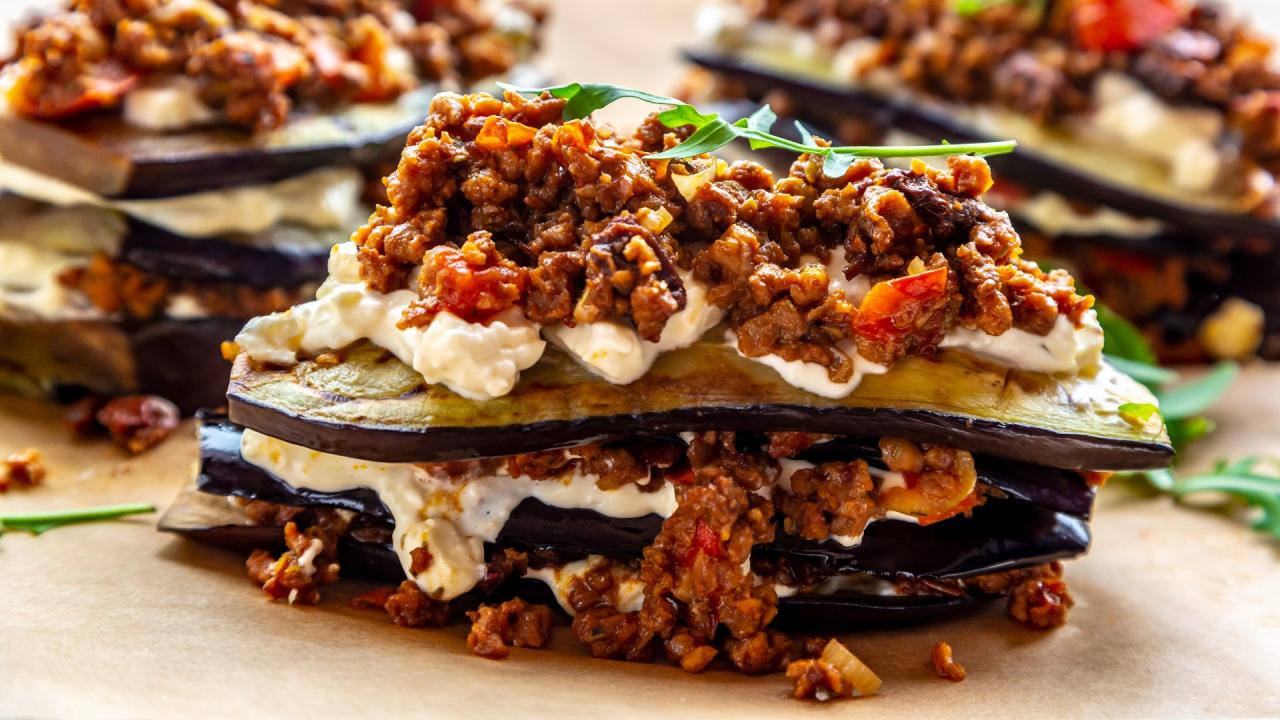
| Friday | Avocado and bacon-stuffed eggs | Eggplant lasagna with ricotta cheese | Grilled pork chops with sautéed spinach | Celery sticks with almond butter |
| Saturday | Frittata with tomatoes and basil | Beef lettuce wraps with shredded cheese | Pan-seared cod with asparagus | Walnuts and cucumber slices |
| Sunday | Low carb smoothie with spinach, protein powder, and coconut milk | Roast beef salad with mixed greens and vinaigrette | Stuffed bell peppers with ground turkey | Cheese and pepperoni slices |
Common Ingredients and Substitutes for Low Carb Cooking
Choosing the right ingredients is crucial for maintaining a low carb diet. Common ingredients include lean meats, fish, eggs, low-carb vegetables, nuts, seeds, and healthy fats such as olive oil and avocado. These foods provide essential nutrients without excessive carbohydrates.
Substitutes help in creating diverse and flavorful meals while adhering to low carb principles. For example, cauliflower can replace rice or potatoes, zucchini noodles serve as pasta alternatives, and almond or coconut flour can replace wheat flour in baking. Using these substitutes ensures variety and helps prevent dietary monotony while keeping carbohydrate intake within desired limits.
Key low carb ingredients include leafy greens, cruciferous vegetables, fatty fish, nuts, seeds, and healthy oils, which collectively support weight management and overall health.
Foods to Include and Avoid
A key component of successfully adhering to a low carb diet involves understanding which foods are beneficial and which should be limited or avoided altogether. Proper selection of foods not only helps maintain ketosis or desired carbohydrate levels but also ensures nutritional balance and enjoyment of meals. By focusing on nutrient-dense, low carbohydrate options while minimizing high-carb items, individuals can achieve their health goals more effectively and sustainably.It is equally important to recognize foods that can hinder progress, lead to blood sugar spikes, or contribute to weight gain.
Making informed choices about food intake helps create a tailored plan that fits personal preferences, lifestyle, and dietary requirements.
Foods to Include in a Low Carb Diet
Including a variety of nutrient-rich, low carbohydrate foods is essential for maintaining energy levels, supporting overall health, and preventing nutrient deficiencies. These foods are typically high in healthy fats, moderate in protein, and low in digestible carbohydrates.
- Lean Proteins: Chicken, turkey, eggs, and seafood such as salmon, mackerel, and sardines provide essential amino acids with minimal carbs.
- Non-Starchy Vegetables: Leafy greens (spinach, kale), cruciferous vegetables (broccoli, cauliflower), zucchini, peppers, and cucumbers are low in carbs and high in fiber and nutrients.
- Healthy Fats: Avocados, nuts (almonds, walnuts), seeds (chia, flaxseed), and oils like olive oil and coconut oil contribute beneficial fats vital for satiety and cellular health.
- Dairy Products: Full-fat cheese, Greek yogurt, and heavy cream in moderation can be incorporated, as they are low in carbs and rich in calcium and probiotics.
- Fruits (in moderation): Berries such as strawberries, raspberries, and blackberries contain fewer carbs compared to tropical fruits and can be enjoyed in limited quantities.
Foods to Avoid in a Low Carb Diet
Certain foods are high in digestible carbohydrates, which can disrupt ketosis and hinder weight loss or health objectives. Recognizing these foods and limiting their intake is crucial for diet success.
- Grains and Grain Products: Bread, rice, pasta, cereals, and baked goods made from wheat, corn, oats, or barley. These foods are high in starch and rapidly increase blood sugar levels.
- Sugar-Rich Foods and Beverages: Sweets, candies, cakes, soda, fruit juices, and energy drinks contain high amounts of added sugars, leading to insulin spikes and cravings.
- Starchy Vegetables: Potatoes, sweet potatoes, yams, and parsnips have higher carbohydrate content and can significantly impact carbohydrate intake.
- Legumes: Beans, lentils, chickpeas, and peas are nutritious but contain relatively high carbohydrates that may be incompatible with strict low carb plans.
- Processed and Packaged Foods: Snack foods, fast foods, and processed meats often contain hidden sugars, fillers, and carbs that undermine dietary goals.
Food Items, Carbohydrate Content, and Alternatives
The following table provides a clear comparison of common food items, their approximate carbohydrate content per serving, and suitable low carb alternatives. This guide aids in making smarter food choices compatible with a low carb lifestyle.
| Food Item | Carbohydrate Content (per serving) | Low Carb Alternative | Carbohydrate Content of Alternative |
|---|---|---|---|
| White bread (1 slice) | 13 g | Almond flour bread (1 slice) | 1-2 g |
| Regular pasta (1 cup cooked) | 45 g | Zucchini noodles (1 cup) | 3-5 g |
| Banana (medium) | 27 g | Avocado (half) | 2 g |
| Chocolate chip cookies (1 cookie) | 20 g | Almond flour cookies with erythritol | 3-5 g |
| Soda (1 can) | 39 g | Sparkling water with a splash of lemon | 0 g |
| Potato (medium) | 37 g | Cauliflower mash (1 cup) | 5 g |
By choosing foods with lower carbohydrate content and substituting high-carb items with these alternatives, individuals can better adhere to their low carb diet while still enjoying a variety of delicious and satisfying meals. The focus should always be on whole, unprocessed foods that provide essential nutrients and promote overall well-being.
Benefits and Challenges of Low Carb Living

Adopting a low carbohydrate diet can lead to significant improvements in overall health, but it also presents certain challenges that require practical strategies to overcome. Understanding both the advantages and potential obstacles can help individuals maintain a balanced and sustainable approach to low carb living.
Embracing a low carb lifestyle involves recognizing its positive impacts on physical and mental well-being while preparing for the hurdles that may arise along the way. This balanced perspective can empower individuals to stay motivated and adapt their habits effectively.
Physical and Mental Health Benefits
Low carb diets have been associated with numerous health benefits that extend beyond weight management. These diets can contribute to better blood sugar control, reduce insulin levels, and promote fat loss. Additionally, many people report increased energy levels, improved mental clarity, and reduced cravings, which support a more stable and focused daily life.
Research indicates that low carb eating can help decrease the risk of cardiovascular diseases by improving cholesterol profiles, lowering triglycerides, and increasing HDL cholesterol. Some studies also suggest potential benefits for neurological health, with fewer incidences of cognitive decline in individuals adhering to low carb regimens. These health benefits make low carb diets an appealing option for those seeking to enhance both their physical and mental well-being.
Common Challenges and Practical Tips
Transitioning to a low carb diet can present several challenges, particularly for beginners. Common issues include cravings for carbohydrate-rich foods, initial fatigue or “keto flu,” and social situations that revolve around carbohydrate-laden meals. Overcoming these obstacles requires strategic planning and mindset shifts.
Practical tips to address these challenges include gradually reducing carbohydrate intake to allow the body to adapt, staying well-hydrated, and incorporating adequate electrolytes to minimize symptoms of keto flu. Keeping a variety of low carb snacks handy can help curb cravings, while planning meals ahead of time ensures adherence during busy days.
To sustain motivation, setting clear, achievable goals and tracking progress can be highly effective. Engaging with supportive communities or sharing successes with friends and family can provide additional encouragement. When dining socially, choosing dishes that align with low carb principles or suggesting low carb-friendly venues can help maintain consistency without feeling left out. Flexibility and patience are key elements in successfully maintaining a low carb lifestyle over the long term.
Sample Recipes and Cooking Tips

Crafting delicious, satisfying low carb meals can be both enjoyable and straightforward with the right recipes and techniques. Incorporating flavorful ingredients and efficient cooking methods helps maintain variety and ensures nutritional balance, making your low carb lifestyle sustainable and enjoyable. This section offers practical recipes, essential cooking tips, and must-have kitchen tools to elevate your low carb cooking experience.To succeed in low carb meal preparation, understanding how to adapt traditional cooking methods while focusing on ingredient choices is crucial.
Whether you’re baking bread with alternative flours, grilling vegetables and meats, or preparing meals ahead of time, employing specific techniques can enhance flavor and texture while keeping carbohydrate content in check.
Delicious Low Carb Recipes
Below are some popular recipes suitable for low carb diets, complete with ingredient lists and cooking instructions that emphasize simplicity and flavor.
Cauliflower Fried Rice: A tasty rice substitute using riced cauliflower, seasoned with soy sauce, garlic, and mixed vegetables for a satisfying, low carb alternative to traditional fried rice.
- Ingredients: 1 large head of cauliflower, 2 tablespoons olive oil, 1 garlic clove (minced), 1/2 cup diced carrots, 1/2 cup peas, 2 eggs, 2 tablespoons soy sauce, chopped green onions.
- Preparation: Rice the cauliflower using a food processor, then sauté in olive oil with garlic until tender. Push cauliflower to one side, scramble eggs on the other, then mix everything, add soy sauce, and garnish with green onions.
Zucchini Noodles with Pesto: A fresh, light dish that replaces pasta with spiralized zucchini, tossed with homemade basil pesto for a flavorful, low carb meal.
- Ingredients: 4 zucchinis, 1 cup fresh basil leaves, 1/4 cup pine nuts, 1/4 cup grated Parmesan cheese, 2 garlic cloves, 1/4 cup olive oil, salt, and pepper.
- Preparation: Spiralize zucchinis into noodles. In a blender, combine basil, pine nuts, Parmesan, garlic, olive oil, salt, and pepper to make pesto. Toss zucchini noodles with pesto and serve immediately.
Grilled Chicken with Herb Marinade: A protein-packed, flavorful main course ideal for grilling, with a simple marinade of herbs and lemon juice.
- Ingredients: 4 chicken breasts, 2 tablespoons olive oil, 2 tablespoons lemon juice, 1 teaspoon dried thyme, 1 teaspoon dried rosemary, 2 garlic cloves (minced), salt, and pepper.
- Preparation: Mix marinade ingredients, coat chicken breasts thoroughly, and refrigerate for at least 30 minutes. Grill over medium-high heat until cooked through, about 6-8 minutes per side.
Techniques for Low Carb Cooking
Mastering specific cooking techniques enhances flavor and texture while minimizing carbohydrate content. Here are key methods tailored for low carb meal preparation:
- Baking with Alternative Flours: Use almond flour, coconut flour, or flaxseed meal to replace wheat flour, ensuring baked goods remain low in carbs. These flours also add healthy fats and fiber to your recipes.
- Grilling and Broiling: Ideal for meats and vegetables, grilling imparts smoky flavors without added carbs. Marinate proteins beforehand to boost flavor and moisture retention.
- Meal Prepping and Batch Cooking: Prepare large portions of low carb staples like roasted vegetables, cooked meats, and cauliflower rice to save time and maintain consistency throughout the week.
Essential Kitchen Tools for Low Carb Meal Preparation
Having the right tools simplifies low carb cooking, enhances efficiency, and helps achieve professional-quality results. A well-equipped kitchen might include:
| Tool | Purpose |
|---|---|
| Spiralizer | Creates vegetable noodles from zucchini, carrots, and other vegetables, perfect for low carb pasta alternatives. |
| Food Processor | Rices cauliflower, blends pesto, or prepares doughs with alternative flours efficiently. |
| Cast Iron Grill Pan or Outdoor Grill | Provides high heat for grilling meats and vegetables, enhancing flavor without carbs. |
| Silicone Baking Mats or Parchment Paper | Prevents sticking and makes baking low carb bread or snacks easier and cleaner. |
| Measuring Cups and Spoons | Ensures precise ingredient measurements, essential for balanced low carb recipes. |
| Kitchen Scale | Accurately measures ingredients like flours and proteins, maintaining recipe consistency and carb counts. |
Incorporating these recipes, techniques, and tools into your routine can greatly enhance your low carb cooking experience, making meals more enjoyable and aligned with your dietary goals.
Monitoring Progress and Adjusting the Diet

Maintaining an effective low carb diet requires consistent evaluation to ensure that health goals are being met and to make informed adjustments along the way. Monitoring progress helps in identifying how well the diet is supporting weight loss, energy levels, and overall health. Regular assessments enable individuals to tailor their carbohydrate intake and meal plans for optimal results, minimizing plateauing and addressing any nutritional gaps or health concerns that arise during the process.Tracking health markers and weight loss progress provides a comprehensive picture of the diet’s impact.
By systematically reviewing specific indicators, individuals can determine whether their current carbohydrate intake remains appropriate or needs modification. Adjustments are necessary when progress stalls or if health markers suggest the need for a different nutritional approach. Establishing a structured method for monitoring and adjusting fosters consistency, accountability, and continuous improvement in low carb living.
Methods to Evaluate Health Markers and Weight Loss Progress
Effective evaluation involves a combination of quantitative measurements, laboratory tests, and subjective assessments. These methods offer insight into both the physical and biochemical effects of the diet, helping to ensure safety and effectiveness.
- Regular Weigh-Ins: Weekly or bi-weekly weigh-ins can help track trends over time, but should be contextualized with other measures to avoid overemphasis on fluctuations caused by water retention or other factors.
- Body Composition Analysis: Techniques such as bioelectrical impedance, DEXA scans, or skinfold measurements provide data on fat loss versus muscle mass, offering a clearer picture of physical change.
- Blood Glucose and Ketone Levels: Monitoring fasting blood glucose and ketone levels with home testing kits can indicate metabolic adaptation and fat-burning efficiency.
- Cholesterol and Lipid Profile: Periodic blood tests help assess cardiovascular health, especially as low carb diets can influence HDL, LDL, and triglyceride levels.
- Energy and Well-being: Subjective assessments of energy levels, mental clarity, and overall well-being are vital indicators of diet suitability.
Procedures for Modifying Carbohydrate Intake Based on Results
Adjustments to carbohydrate intake should be made systematically, based on the data collected and individual responses to the diet. Recognizing signs of stagnation or adverse effects allows for timely modifications to maintain progress and health.
- Identify Plateaus or Slower Progress: After 4-6 weeks of consistent low carb intake, if weight loss or health markers plateau, consider reducing carbohydrate intake further or increasing physical activity.
- Evaluate Energy Levels and Symptoms: If fatigue, brain fog, or mood swings occur, it may be necessary to slightly increase carbohydrate intake or ensure adequate nutrient diversity.
- Adjust Carbohydrate Sources: Emphasize nutrient-dense vegetables and low glycemic fruits, while reducing processed or highly refined carbs, to optimize health benefits.
- Reassess Regularly: Every 4-6 weeks, review progress, update tracking charts, and modify carbohydrate limits accordingly to sustain weight loss and health improvements.
Progress Tracking Chart Template
A well-structured chart helps visualize progress and identify trends over time. Incorporating multiple parameters ensures a comprehensive overview.
| Date | Weight (kg/lb) | Body Fat Percentage | Blood Glucose (mg/dL) | Ketone Levels (mmol/L) | Cholesterol (mg/dL) | Notes/Comments |
|---|---|---|---|---|---|---|
| 2024-10-01 | 70 | 20% | 90 | 1.5 | 180 | Energy high, no noticeable issues |
| 2024-11-01 | 68 | 18% | 85 | 2.0 | 170 | Steady weight loss, improved mood |
Consistent monitoring and flexible adjustments are key to sustaining a successful low carb lifestyle, ensuring that progress aligns with health goals and individual needs.
Outcome Summary

Adopting a low carb diet offers numerous benefits, including improved energy levels and better metabolic health. While challenges may arise, staying motivated and adaptable ensures sustainable success. With careful planning, mindful eating, and consistent monitoring, you can enjoy the many advantages of low carb living and achieve your health goals effectively.