Understanding how to eat for breastfeeding is essential for promoting optimal milk production and ensuring both mother and baby’s well-being. Proper nutrition not only sustains the mother’s energy levels but also provides the necessary nutrients for healthy infant development. By following evidence-based dietary guidelines, breastfeeding mothers can enhance their recovery, maintain hydration, and incorporate beneficial foods into their daily routines.
This comprehensive guide explores key nutritional foundations, effective foods to boost milk supply, foods to avoid, and practical meal planning strategies. Emphasizing a balanced and mindful approach, it offers valuable insights to help mothers nourish themselves effectively during this vital period.
Nutritional Foundations for Breastfeeding

Maintaining a balanced and nutrient-rich diet is vital for breastfeeding mothers to support both their health and optimal milk production. Proper nutrition not only replenishes the mother’s energy stores but also provides essential nutrients necessary for the growth and development of the infant. An understanding of key dietary components helps ensure that both mother and baby receive adequate nourishment during this crucial period.
Incorporating a variety of nutrient-dense foods into daily meals, staying well-hydrated, and planning weekly menus with these principles in mind facilitate a sustainable and healthful breastfeeding experience. Hydration, in particular, plays a significant role, as milk production depends heavily on adequate fluid intake. Below, detailed guidance is provided to help mothers optimize their nutrition for successful breastfeeding.
Essential Nutrients for Breastfeeding Mothers
Breastfeeding increases the body’s demand for specific nutrients to maintain maternal health and support milk synthesis. These include protein, calcium, iron, vitamins A, D, B-complex, and omega-3 fatty acids. Incorporating foods rich in these nutrients ensures that the mother’s body can produce high-quality breast milk while remaining healthy and energized.
- Protein: Necessary for tissue repair and immune function. Sources include lean meats, dairy products, legumes, and nuts.
- Calcium: Vital for bone health in both mother and infant. Found abundantly in dairy products, fortified plant-based milks, leafy greens, and sardines.
- Iron: Supports increased blood volume during lactation. Sources include lean red meats, spinach, lentils, and iron-fortified cereals.
- Vitamins A and D: Essential for vision, immune function, and bone development. Vitamin A is available in orange and green vegetables, while Vitamin D can be obtained from fortified foods and sunlight exposure.
- Vitamin B12: Critical for nerve function and red blood cell production. Mainly present in animal products such as meat, eggs, and dairy.
- Omega-3 Fatty Acids: Support infant brain development. Found in fatty fish like salmon, mackerel, and in flaxseeds and walnuts.
To integrate these nutrients, mothers should aim for a colorful and varied diet that includes whole grains, lean proteins, healthy fats, and plenty of fruits and vegetables.
Hydration and Fluid Intake Strategies
Maintaining optimal hydration levels is crucial for effective milk production and overall health during breastfeeding. Dehydration can lead to fatigue, decreased milk supply, and other health issues. While individual needs vary based on activity level, climate, and body size, a general guideline is to consume enough fluids to match increased demands.
It is recommended that breastfeeding women drink at least 8 to 12 cups (about 2 to 3 liters) of fluids daily, primarily water, herbal teas, or infused waters. Listening to thirst cues and observing urine color—pale yellow indicates adequate hydration—are practical measures for maintaining proper fluid levels.
Consuming fluids strategically throughout the day, with an emphasis on water intake before, during, and after feeding, can help sustain hydration. Incorporating hydrating foods such as soups, fruits like watermelon and oranges, and vegetables further supports fluid intake and nutrient consumption.
Sample Weekly Meal Plan Emphasizing Nutrient-Rich Foods
A well-planned week that emphasizes variety and nutrient density can support maternal health and milk production. The following sample menu incorporates foods rich in essential nutrients, aiming to meet daily requirements and promote a balanced diet.
| Day | Breakfast | Lunch | Dinner | Snacks |
|---|---|---|---|---|
| Monday | Oatmeal topped with walnuts, sliced strawberries, and a glass of fortified orange juice | Grilled chicken salad with mixed greens, cherry tomatoes, avocado, and whole grain bread | Baked salmon with quinoa, steamed broccoli, and carrots | Greek yogurt with honey and blueberries |
| Tuesday | Scrambled eggs with spinach and whole wheat toast, herbal tea | Lentil soup with a side of mixed vegetable stir-fry and brown rice | Stir-fried tofu with assorted vegetables and soba noodles | Sliced apple with almond butter |
| Wednesday | Greek yogurt parfait with granola, kiwi, and chia seeds | Turkey and avocado whole grain wrap, side of cherry tomatoes | Grilled mackerel, sweet potato mash, and sautéed green beans | Carrot sticks with hummus |
| Thursday | Whole grain pancakes topped with banana slices and a handful of walnuts | Beef stew with potatoes, carrots, and peas served with whole wheat bread | Vegetable and chickpea curry with brown rice | Cottage cheese with pineapple chunks |
| Friday | Smoothie with spinach, banana, flaxseed, and almond milk | Grilled shrimp salad with mixed greens, cucumbers, and olive oil dressing | Roast chicken with roasted Brussels sprouts and wild rice | Mixed nuts and dried apricots |
| Saturday | Veggie omelet with tomatoes, peppers, and cheese, whole grain toast | Quinoa salad with black beans, corn, and avocado | Stuffed bell peppers with lean ground turkey and vegetables | Fresh fruit salad |
| Sunday | Porridge with chia seeds, apple slices, and cinnamon | Grilled fish tacos with cabbage slaw and whole wheat tortillas | Vegetable lasagna with side of mixed greens | Dark chocolate square with walnuts |
Key Vitamins and Minerals for Breastfeeding
Understanding the vital nutrients involved in supporting a mother’s health and ensuring adequate breast milk composition can guide dietary choices. The following table summarizes essential vitamins and minerals, their primary food sources, and their benefits during breastfeeding.
| Nutrient | Food Sources | Benefits |
|---|---|---|
| Vitamin A | Carrots, sweet potatoes, spinach, kale | Supports vision, immune function, and cell growth in both mother and baby |
| Vitamin D | Fortified dairy products, fatty fish, egg yolks, sunlight exposure | Enhances calcium absorption, supports bone health |
| Calcium | Dairy products, leafy greens, almonds, fortified plant-based milks | Maintains bone density, supports muscle and nerve function |
| Iron | Lean meats, spinach, beans, fortified cereals | Prevents anemia, supports increased blood volume |
| Vitamin B12 | Meat, eggs, dairy products, fortified foods | Supports nerve health and red blood cell production |
| Omega-3 Fatty Acids | Fatty fish, flaxseeds, walnuts, chia seeds | Critical for infant brain and eye development |
Foods to Enhance Milk Production

Supporting optimal milk supply is a priority for many breastfeeding mothers. Incorporating specific foods into the diet can naturally promote increased milk production and ensure both mother and baby’s nutritional needs are met effectively. This section provides an overview of nutrient-rich foods known to boost lactation and practical guidance on preparing nourishing recipes to support milk production.
Foods that enhance milk production typically contain galactagogues—substances that stimulate milk flow. These include a variety of herbs, seeds, nuts, vegetables, and grains, each offering unique benefits. Including a diverse range of these foods can help ensure a balanced intake of essential nutrients while supporting lactation.
Foods Known to Support Increased Milk Supply
Integrating the following foods into daily meals can be beneficial for mothers seeking to naturally boost their milk volume. These foods are supported by traditional practices and scientific studies demonstrating their positive effects on lactation.
- Oats: Rich in iron and fiber, oats are a classic galactagogue that can be easily incorporated into breakfast dishes.
- Fenugreek Seeds: Widely used in herbal medicine, fenugreek is believed to stimulate milk production. It can be consumed as a tea or added to dishes.
- Fennel: Known for its estrogen-like compounds, fennel can be eaten raw, cooked, or used to brew herbal teas to support lactation.
- Garlic: This pungent bulb has been traditionally used to enhance milk supply and can be added generously to various savory dishes.
- Carrots and Sweet Potatoes: Rich in beta-carotene, these vegetables support overall health and lactation when included in a balanced diet.
- Leafy Greens: Spinach, kale, and other greens are high in calcium and nutrients essential for milk production.
- Chia and Flax Seeds: Packed with omega-3 fatty acids and fiber, these seeds can be added to smoothies, cereals, or baked goods.
- Protein-Rich Foods: Eggs, lean meats, and legumes provide vital nutrients that support milk synthesis.
Preparing Lactation-Boosting Recipes with Step-by-Step Instructions
Creating nourishing recipes that incorporate these superfoods can effectively support milk supply while providing delicious meals. Here are a few examples with detailed preparation steps:
- Oatmeal with Fenugreek and Chia Seeds
- Combine 1 cup of rolled oats with 2 cups of water or milk in a saucepan.
- Bring to a boil, then reduce heat and simmer for 5-7 minutes until thickened.
- Add 1 teaspoon of ground fenugreek and 1 tablespoon of chia seeds.
- Stir well and cook for another 2 minutes to allow flavors to meld.
- Serve hot with fresh fruits or a drizzle of honey for added taste.
- Fennel and Garlic Stir-Fry
- Slice 2 fennel bulbs and 3 cloves of garlic thinly.
- Heat 1 tablespoon of olive oil in a skillet over medium heat.
- Add garlic and sauté until fragrant, about 30 seconds.
- Stir in fennel slices and cook for 5-7 minutes until tender.
- Season with salt and pepper, and serve as a side dish or over grains.
Comparison Chart of Herbal Teas and Supplements for Milk Production
Herbal teas and supplements are popular options for mothers seeking natural lactation support. The following chart compares commonly used products based on ingredients, recommended usage, and evidence of efficacy.
| Product | Ingredients | Recommended Usage | Evidence of Effectiveness |
|---|---|---|---|
| Fenugreek Tea | Fenugreek seeds, water | Steep 1-2 teaspoons of fenugreek seeds in boiling water for 10 minutes, drink 2-3 times daily. | Traditional use supported by some studies indicating increased milk volume, though results vary. |
| Fennel Tea | Fennel seeds, water | Steep 1 teaspoon of fennel seeds in boiling water for 10 minutes, consume 1-2 cups daily. | Often used in traditional practices; limited scientific evidence but generally considered safe and beneficial. |
| Supplemental Galactagogues (e.g., Goat’s Rue) | Herbal extracts, capsules | Follow manufacturer instructions; typically 1 capsule 2-3 times daily. | Some clinical evidence suggests increased milk production, but consult with healthcare provider before use. |
| MilkFlow Tincture | Combination of herbs such as blessed thistle, fennel, and fenugreek | Follow dosage instructions on packaging, usually 1-2 droppers mixed into beverages daily. | Traditionally used; scientific validation is limited, and individual responses vary. |
Incorporating Traditional Postpartum Foods into a Modern Diet
Integrating traditional postpartum foods into contemporary eating habits can be achieved through creative adaptation while maintaining cultural significance. Emphasizing fresh, whole ingredients and balanced meals ensures nutritional benefits are preserved.
Traditional postpartum foods such as black sesame seeds, red dates, and wolfberries can be added to smoothies, porridges, and herbal teas. For example, black sesame paste can be blended into breakfast smoothies or spread on toast for added calcium and healthy fats. Red dates can be simmered with ginger and incorporated into soups or congee, offering warmth and nourishment. Incorporating these ingredients into daily meals supports both lactation and overall postpartum recovery.
When modernizing traditional recipes, focus on minimally processed ingredients, and adapt cooking techniques to suit daily schedules. For example, preparing a hearty congee with red dates, ginger, and oats can serve as a nourishing breakfast that promotes milk production and energy replenishment. Consistent inclusion of these foods, complemented by a variety of nutrient-dense options, can help maintain a balanced diet conducive to lactation.
Foods to Avoid During Breastfeeding
Maintaining a healthy diet during breastfeeding is essential for both the mother’s well-being and the infant’s development. While a balanced diet supports milk production and quality, certain foods and beverages can negatively impact the breastfed baby or interfere with the mother’s comfort. Identifying and managing these foods helps ensure a smooth breastfeeding experience and promotes the health of both mother and child.
Some foods contain substances or cause reactions that may lead to adverse effects in breastfed infants. These can include digestive discomfort, allergic reactions, or irritability. It is important for breastfeeding mothers to be aware of these potential issues, especially if they notice changes in their baby’s behavior or health following their meals. Making informed choices involves not only avoiding problematic foods but also substituting them with safe and nutritious alternatives that support milk production and overall health.
Common Foods and Beverages to Avoid
While most breastfeeding mothers can enjoy a diverse diet, certain foods and drinks have been associated with negative reactions in some infants. These include:
- Caffeinated beverages: Such as coffee, tea, and energy drinks, which can cause irritability, sleep disturbances, or rapid heartbeat in infants if consumed excessively by the mother.
- Alcohol: Can pass into breast milk and may affect the infant’s development, sleep patterns, and feeding behavior.
- Spicy and strongly flavored foods: Such as hot peppers, garlic, or curry, which may alter the taste of breast milk and lead to fussiness or upset stomach in some babies.
- High-mercury fish: Like shark, swordfish, king mackerel, and tilefish, which pose risks of mercury exposure to the infant.
- Allergenic foods: Such as nuts,shellfish, and eggs, especially if there is a family history of food allergies, as these may trigger sensitivities or allergic reactions in some infants.
It is important to note that reactions vary among infants, and not all babies will be affected by these foods. Monitoring the individual response of the baby is essential to determine if specific foods should be limited or avoided.
Procedures for Eliminating or Substituting Problematic Foods
When a particular food is suspected of causing adverse reactions in a breastfed infant, a systematic approach can help identify and address the issue. Mothers should consider eliminating suspected foods for a period of two to three weeks, observing for improvements in the baby’s behavior or health. During this time, maintaining a balanced diet with safe, nutritious alternatives is crucial.
Substitutions should include nutrient-rich foods that support milk production and maternal well-being.
For example, if caffeine is suspected, switching to decaffeinated beverages or herbal teas without stimulants can be beneficial. If spicy foods seem problematic, gradually reducing their intake or replacing them with milder options can help. Consulting a healthcare professional or a registered dietitian ensures that elimination diets remain nutritionally adequate and tailored to individual needs.
Symptoms Indicating Possible Adverse Effects from Specific Foods
Recognizing signs that a particular food may be negatively impacting the infant is vital for timely intervention. Common symptoms include:
- Gastrointestinal upset: Such as diarrhea, constipation, or vomiting in the baby after feeding.
- Excessive fussiness or irritability: Persistent crying, especially during or after feedings.
- Sleep disturbances: Difficulty settling or frequent awakenings.
- Skin reactions: Rashes, hives, or eczema outbreaks.
- Recurrent colic or gas: Excessive abdominal discomfort or bloating.
Monitoring and recording these symptoms, along with dietary intake, helps identify potential food sensitivities or allergies, enabling more informed dietary adjustments.
Monitoring and Recording Reactions During Diet Changes
To effectively assess the impact of dietary modifications, mothers should keep a detailed record of their meals, snacks, and beverages alongside their baby’s reactions. This can be done through a feeding diary, noting the time and content of each meal, as well as any noticeable changes in the infant’s behavior, stool patterns, sleep, or skin condition.
Consistent documentation over a period of two to four weeks allows for pattern recognition and helps identify specific foods associated with adverse effects. If reactions are observed, eliminating the suspected food from the diet and continuing the diary can confirm whether improvements occur. Sharing this detailed record with a healthcare provider facilitates accurate diagnosis and personalized guidance for dietary management during breastfeeding.
Special Dietary Considerations
When breastfeeding, maintaining a balanced and appropriate diet is essential to support both the mother’s health and optimal milk production. For women with specific dietary restrictions, allergies, or intolerances, careful planning ensures that nutritional needs are met without compromising safety or comfort. Additionally, vegetarian and vegan mothers need to be mindful of nutrient sources that are critical for both their well-being and that of their infant.
Addressing these unique dietary considerations involves understanding how to modify food choices, supplement appropriately, and develop meal plans that accommodate individual needs while supporting effective breastfeeding.
Incorporating dietary adjustments for common allergies or intolerances, ensuring adequate nutrition within plant-based diets, and safeguarding against nutrient deficiencies requires a structured approach. This ensures that mothers can sustain their health and provide high-quality nutrition to their babies during this vital period.
Adjusting Diet for Common Allergies or Intolerances
Breastfeeding mothers with food allergies or intolerances must identify and eliminate trigger foods while maintaining sufficient nutritional intake. Common allergens such as dairy, nuts, soy, gluten, and eggs can be replaced with safe alternatives to prevent allergic reactions in both mother and infant. It’s important to read labels carefully and consult with healthcare professionals to develop a personalized diet plan.
Elimination of major allergens can sometimes lead to nutrient gaps, particularly in calcium, vitamin D, and protein. Incorporating fortified plant-based milks (like almond, rice, or oat milk), legumes, seeds, and leafy greens can help bridge these gaps. Regular monitoring of nutritional status through blood tests and dietary assessments is recommended to ensure dietary adequacy.
Guidelines for Vegetarian or Vegan Breastfeeding Diets
Vegetarian and vegan mothers require diligent planning to meet their increased nutritional needs during breastfeeding. The key nutrients of concern include protein, vitamin B12, iron, calcium, zinc, and omega-3 fatty acids, which are less abundant or less bioavailable in plant-based diets. Ensuring a variety of nutrient-dense foods is vital for maternal health and milk quality.
Sources of essential nutrients for vegetarian or vegan breastfeeding mothers include:
| Nutrient | Plant-Based Sources |
|---|---|
| Protein | Legumes, lentils, tofu, tempeh, seitan, quinoa, nuts, seeds |
| Vitamin B12 | Fortified foods (plant milks, cereals), B12 supplements |
| Iron | Legumes, spinach, pumpkin seeds, fortified cereals, vitamin C-rich foods to enhance absorption |
| Calcium | Fortified plant milks, leafy greens, tahini, almonds |
| Zinc | Nuts, seeds, whole grains, legumes |
| Omega-3 Fatty Acids | Chia seeds, flaxseeds, walnuts, algae-based supplements |
Supplementation with vitamin B12 and omega-3 fatty acids derived from algae is highly recommended for vegan mothers to ensure adequate intake of these critical nutrients.
Ensuring Adequate Intake of Omega-3 and Critical Nutrients
Omega-3 fatty acids, particularly EPA and DHA, are vital for infant brain and eye development and may be limited in vegetarian or vegan diets. To compensate for this, mothers should incorporate plant-based sources rich in alpha-linolenic acid (ALA), such as flaxseeds, chia seeds, walnuts, and hemp seeds, which can be converted into DHA and EPA in the body, albeit with limited efficiency.
However, to guarantee sufficient DHA levels, algae-based supplements are an effective and reliable option. These supplements provide direct sources of EPA and DHA, ensuring that both mother and infant receive essential fatty acids without compromising dietary preferences.
Other critical nutrients such as iron, zinc, calcium, and vitamin B12 require strategic planning. Consuming a variety of fortified foods, leveraging plant sources with high bioavailability, and considering appropriate supplementation under medical advice are key steps to prevent deficiencies.
Structured Approach to Meal Planning with Dietary Restrictions
Developing a meal plan that accommodates dietary restrictions while meeting nutritional needs involves a systematic approach. It begins with identifying safe, nutrient-rich foods that fit within individual dietary patterns and restrictions. Incorporating diverse food groups ensures a broad spectrum of nutrients to support milk production and maternal health.
Key steps include:
- Assess personal dietary restrictions and allergies through a comprehensive review.
- Identify nutrient gaps common to the restricted diet and plan meals that provide these nutrients from safe sources.
- Use food diaries or tracking tools to monitor intake and adjust as needed.
- Include fortified foods or supplements to address nutrients that are difficult to obtain through diet alone, such as vitamin B12, omega-3s, or iron.
- Plan balanced meals with a variety of colors and textures to enhance nutrient diversity and enjoyment.
- Consult with healthcare professionals or registered dietitians to optimize meal plans and ensure nutritional adequacy during breastfeeding.
This structured approach promotes a sustainable, healthful diet that respects individual dietary choices and restrictions while supporting the nutritional demands of breastfeeding.
Practical Meal Planning and Preparation Tips
Effective meal planning and preparation are essential for breastfeeding mothers balancing busy schedules and the need for nutritious, energy-boosting meals. Implementing strategic approaches to meal organization can help ensure both mother and baby receive optimal nourishment, reducing stress and saving valuable time throughout the day.
Adopting practical strategies such as batch cooking, meal prepping, and organizing kitchen tools can transform daily meal routines into efficient, healthful practices. These approaches not only maintain nutritional quality but also foster consistency in dietary habits, supporting sustained milk production and overall well-being.
Quick, Nutritious Meals for Busy Schedules
Breastfeeding mothers often juggle multiple responsibilities, making it vital to have access to quick yet nutrient-dense meal options. Selecting foods rich in protein, healthy fats, complex carbohydrates, vitamins, and minerals is crucial for maintaining energy levels and supporting milk production.
- Opt for ready-to-eat options like Greek yogurt with fresh fruit, whole-grain toast with avocado and boiled eggs, or smoothies packed with leafy greens, berries, and protein powder.
- Prepare simple salads with lean protein sources such as grilled chicken or canned tuna, topped with nuts and seeds for added healthy fats.
- Incorporate slow-cooker or instant-pot recipes that require minimal hands-on time and yield hearty, nutritious meals.
- Keep healthy snacks like nuts, trail mixes, cut vegetables, and hummus readily available to prevent hunger between meals.
Batch Cooking and Meal Storage Techniques
Batch cooking involves preparing large quantities of nutrient-rich meals in advance, allowing mothers to have ready-to-eat options throughout the week. Proper storage practices are essential to preserve the nutritional integrity and safety of prepared foods.
- Designate specific days for cooking large batches of meals such as soups, stews, or casseroles that can be portioned into individual containers.
- Use airtight containers made of glass or BPA-free plastic to store meals safely in the refrigerator or freezer.
- Label containers with dates to ensure consumption within safe storage periods and to maintain freshness.
- Reheat meals thoroughly to maintain food safety and retain nutrient quality, avoiding repeated freeze-thaw cycles that can degrade food value.
- Incorporate versatile ingredients like cooked grains, roasted vegetables, and shredded meats that can be combined in various ways to create diverse meals.
Sample Daily Menu for Mother and Baby
A well-balanced sample menu ensures that both mother and baby receive essential nutrients, with attention to hydration, variety, and portion control. The following example emphasizes foods that support milk production, energy, and recovery.
| Meal | Food Components | Examples |
|---|---|---|
| Breakfast | Complex carbs, protein, healthy fats, hydration | Oatmeal topped with nuts and berries, a glass of water or herbal tea |
| Mid-morning Snack | Fruits, dairy or plant-based protein | Greek yogurt with sliced banana and a sprinkle of chia seeds |
| Lunch | Lean protein, vegetables, whole grains | Grilled chicken salad with mixed greens, cherry tomatoes, avocado, and quinoa |
| Afternoon Snack | Nuts, seeds, or fresh vegetables | Carrot sticks with hummus, handful of almonds |
| Dinner | Seafood or lean meats, vegetables, healthy fats | Baked salmon with roasted sweet potatoes and steamed broccoli |
| Hydration | Fluids | Plenty of water, herbal teas, and broths throughout the day |
Essential Kitchen Tools and Resources
Having the right tools and resources simplifies meal preparation, encourages healthy eating habits, and ensures food safety. Investing in quality kitchen essentials can significantly streamline cooking routines for breastfeeding mothers.
- Sharp knives and cutting boards: Facilitate quick and safe chopping of vegetables, fruits, and proteins.
- Food storage containers: Airtight, BPA-free, and stackable containers for organized meal prepping and storage.
- Slow cooker or pressure cooker: Enable convenient batch cooking with minimal oversight.
- Blender or food processor: Essential for preparing smoothies, purees, and sauces efficiently.
- Measuring cups and spoons: Ensure precise portioning, especially when tracking nutrient intake.
- Digital kitchen scale: Useful for accurate measurement of ingredients in recipes that require precision.
- Cookbooks and online resources: Provide inspiration for healthy, breastfeeding-friendly recipes and meal ideas.
- Meal planning apps or charts: Assist in organizing weekly menus and grocery lists to streamline shopping and preparation.
Proper organization and resourcefulness in the kitchen promote sustainable, healthy eating habits essential for breastfeeding success.
Hydration and Supplements

Proper hydration and appropriate supplementation play a vital role in supporting effective lactation and overall maternal health during breastfeeding. Ensuring adequate fluid intake helps maintain milk production, prevents dehydration, and promotes recovery postpartum. Additionally, selecting safe and beneficial supplements can address specific nutritional needs, support energy levels, and fill potential dietary gaps.
Understanding the balance between fluids and supplements enables breastfeeding mothers to optimize their well-being while fostering a healthy milk supply for their infants. This section provides comprehensive guidelines on hydration, safe supplementation, and practical procedures for integrating these into daily routines.
Role of Fluids and Hydration in Supporting Lactation
Maintaining adequate hydration is essential for lactating mothers, as breast milk production relies heavily on fluid intake. Dehydration can lead to decreased milk supply, fatigue, and other health issues. The body’s fluid needs increase during breastfeeding due to the production of approximately 750-1000 milliliters of milk daily, which contains water necessary for the infant’s hydration and nutrition.
Guidelines for optimal hydration include consuming a variety of fluids throughout the day, such as water, herbal teas, and broths. It is recommended that breastfeeding women aim for about 13 cups (3 liters) of fluids daily, though individual needs vary based on activity level, climate, and body size. Mothers should listen to their thirst cues and avoid excessive intake of caffeinated or sugary beverages, which can lead to dehydration or other health problems.
Consistent hydration supports milk volume, energy levels, and overall maternal health.
Safe Supplements and Vitamins for Breastfeeding Mothers
Supplementation during breastfeeding can address common nutritional gaps and support maternal and infant health. However, selecting safe supplements requires understanding recommended dosages, avoiding unnecessary or potentially harmful substances, and consulting healthcare providers. The goal is to enhance nutrition without risking adverse interactions or overdosage.
It is crucial for breastfeeding women to prioritize obtaining nutrients from a balanced diet, reserving supplements for specific deficiencies or medical advice.
Common supplements considered safe during breastfeeding include vitamin D, prenatal vitamins, omega-3 fatty acids, and iron, when needed. These should be taken according to recommended dosages, which are typically:
- Vitamin D: 400-600 IU daily (may be increased based on blood levels)
- Prenatal vitamins: as prescribed, often once daily with folic acid and other nutrients
- Omega-3 (DHA): 200-300 mg daily
- Iron: as prescribed if an iron deficiency or anemia is diagnosed
Always consult with healthcare providers before starting any supplement regimen, especially when considering higher doses or combining multiple products. Professional guidance ensures safety and appropriateness based on individual health status and dietary intake.
Common Supplements, Benefits, and Potential Interactions
The following table summarizes frequently used supplements, their benefits, and potential interactions to facilitate informed decision-making:
| Supplement | Benefits | Potential Interactions |
|---|---|---|
| Vitamin D | Supports bone health, immune function, and milk quality | High doses may interact with certain medications like corticosteroids; excessive intake risks toxicity |
| Omega-3 (DHA) | Enhances brain development in infants; may improve maternal mood | Blood thinning medications; high doses could increase bleeding risk |
| Iron | Prevents or treats anemia; supports energy levels | Can cause constipation; may interfere with absorption of calcium and certain antibiotics |
| Folate (Folic Acid) | Prevents neural tube defects; supports cell growth | High doses may mask B12 deficiency symptoms |
| Calcium | Supports bone health; may assist in milk production | Large doses can cause kidney stones; may interfere with absorption of other minerals |
Choosing high-quality supplements involves checking for third-party testing, reputable brands, and clear labeling of ingredients and dosages. Integrate supplements into daily routines by establishing consistent times, such as taking vitamin D in the morning with breakfast or iron supplements with meals to reduce gastrointestinal discomfort. Keep a record to monitor intake and effects, and regularly review supplement use with healthcare providers to ensure ongoing safety and efficacy.
Final Conclusion
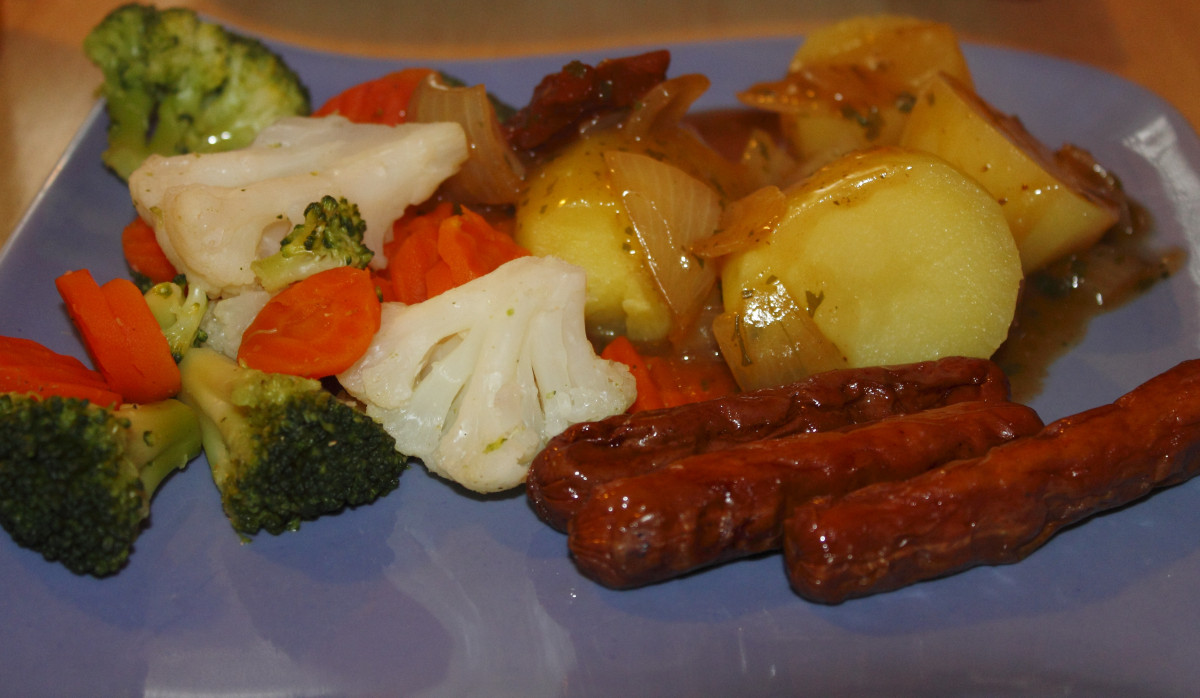
In conclusion, adopting the right eating habits during breastfeeding can significantly impact both maternal health and infant growth. With informed choices, nutritious meal planning, and mindful hydration, mothers can confidently support their breastfeeding journey. Embracing these practices ensures a nourishing experience that benefits the entire family for years to come.