Understanding how to eat for kids is vital to supporting their healthy development and fostering good eating habits from an early age. Proper nutrition not only impacts physical growth but also influences cognitive function and overall well-being, making it essential for parents and caregivers to have clear guidance on nurturing balanced diets.
This comprehensive overview covers fundamental principles of healthy eating, age-appropriate portion sizes, creative ways to incorporate fruits and vegetables, strategies for establishing routines, handling picky eaters, engaging meal presentations, and dispelling common nutritional myths, all aimed at promoting optimal health for children.
Fundamentals of Healthy Eating for Kids

Establishing healthy eating habits during childhood is vital for proper growth, cognitive development, and overall well-being. Understanding the fundamental nutrients that children need helps parents and caregivers create nutritious meal plans that support their developmental milestones and sustain their energy levels throughout the day.
Healthy eating for kids involves providing a balanced combination of macronutrients—carbohydrates, proteins, and fats—along with essential vitamins and minerals. Tailoring meal compositions according to age groups ensures that children receive appropriate portions and nutrients suited to their specific growth requirements. Incorporating a variety of foods fosters good eating habits and encourages children to develop a palate for diverse flavors and textures.
Essential Nutrients for Growth and Development
Children require a diverse array of nutrients to support their rapid growth, strengthen their immune system, and promote optimal brain development. These nutrients include:
- Carbohydrates: The primary source of energy, found in grains, fruits, and vegetables.
- Proteins: Crucial for tissue growth and repair, available in lean meats, dairy, beans, and nuts.
- Fats: Necessary for brain development and hormone production, especially healthy fats such as omega-3 fatty acids found in fish and flaxseeds.
- Vitamins and Minerals: Vital for immune function and overall health, including vitamin A, C, D, calcium, iron, and zinc, found in colorful fruits and vegetables, dairy products, and whole grains.
- Fiber: Supports digestive health, present in whole grains, fruits, and vegetables.
Note: Adequate hydration with clean water is equally essential for children’s metabolic processes and overall health.
Guidelines for Balanced Meal Composition by Age Group
Children’s nutritional needs evolve with age, necessitating tailored meal plans that adapt to their growth stages. It is important to consider portion sizes, food variety, and nutrient density to ensure optimal health benefits for each age group.
- Infants (6-12 months): Focus on breast milk or formula as primary nutrition, gradually introducing pureed fruits, vegetables, grains, and proteins while monitoring for allergies.
- Toddlers (1-3 years): Incorporate a variety of soft foods, small portions, and encourage self-feeding. Include dairy, fruits, vegetables, grains, and moderate amounts of proteins and healthy fats.
- Preschoolers (4-5 years): Promote independence in choosing foods, emphasizing colorful plates with vegetables, fruits, grains, dairy, and lean proteins. Limit added sugars and salt.
- School-age children (6-12 years): Ensure meals are balanced with adequate energy intake, supporting active lifestyles. Include whole grains, lean meats, dairy, fruits, vegetables, and healthy snacks.
Ensuring meals are nutrient-rich and age-appropriate helps in establishing lifelong healthy eating habits and supports the child’s physical and cognitive development.
Sample Weekly Meal Plan
Below is a balanced weekly meal plan designed to provide children with essential nutrients while offering variety and enjoyment. This plan can be adapted based on individual preferences, dietary restrictions, and cultural preferences.
| Day | Breakfast | Lunch | Dinner | Snacks |
|---|---|---|---|---|
| Monday | Oatmeal topped with fresh berries and a glass of milk | Grilled chicken sandwich with lettuce and tomato, side of carrot sticks | Baked salmon, steamed broccoli, brown rice | Apple slices with peanut butter |
| Tuesday | Scrambled eggs with whole wheat toast and orange slices | Turkey and vegetable wrap, mixed fruit salad | Vegetable stir-fry with tofu, quinoa | Yogurt with honey and granola |
| Wednesday | Whole grain cereal with milk, banana | Mini pasta with tomato sauce, side of steamed peas | Grilled lean beef steak, roasted sweet potatoes, green beans | Cucumber slices and hummus |
| Thursday | Yogurt parfait with layers of fruit and granola | Vegetable quesadilla, side of mixed greens | Chicken curry with brown rice, steamed carrots | Mixed nuts and dried fruit |
| Friday | Pancakes topped with fresh strawberries and a small glass of milk | Salmon salad with whole grain crackers | Spaghetti with meatballs and a vegetable medley | Fresh fruit skewers |
| Saturday | Whole wheat waffles with apple slices | Homemade vegetable soup, whole grain roll | Turkey burger on whole wheat bun, side of baked zucchini fries | Celery sticks with cream cheese |
| Sunday | Poached eggs with avocado on toast, pear slices | Grilled shrimp tacos with fresh salsa | Vegetable lasagna, spinach salad | Frozen yogurt pops |
Incorporating Fruits and Vegetables into Kids’ Diets
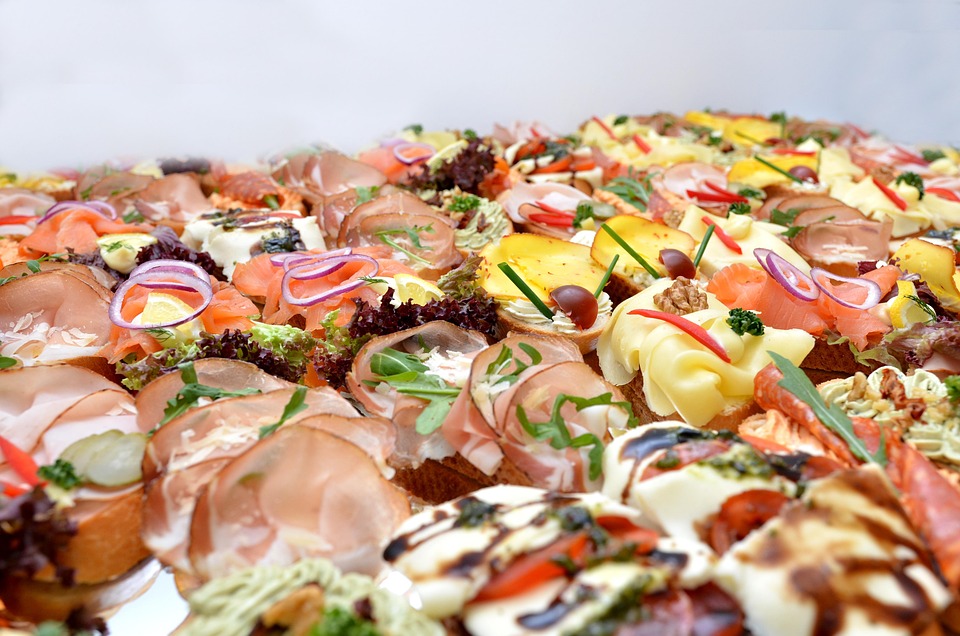
Integrating a variety of fruits and vegetables into children’s daily meals can significantly enhance their nutritional intake and foster healthy eating habits. Making produce appealing and enjoyable encourages children to explore new flavors and textures, establishing a foundation for lifelong wellness. Employing creative strategies and presenting produce in fun, engaging ways can transform mealtime into an enjoyable experience for kids.
To effectively increase fruit and vegetable consumption, it is essential to utilize methods that align with children’s tastes and preferences. These approaches not only improve nutrient intake but also help develop positive attitudes towards healthy foods. By offering a range of appealing recipes and snack ideas, caregivers can inspire children to incorporate more produce into their diets naturally and enjoyably.
Effective Strategies to Make Fruits and Vegetables Appealing to Children
Encouraging children to enjoy fruits and vegetables involves employing a variety of tactics that make these foods more attractive and accessible. Strategies include involving kids in meal preparation, presenting produce in colorful and creative ways, and offering choices to foster independence and curiosity. When children participate in selecting or preparing their snacks and meals, they are more likely to develop an interest in trying new produce.
Another key approach is to serve fruits and vegetables in fun shapes or themed presentations, which can captivate children’s interest and make eating healthier foods a playful activity. Using dips, sauces, or cheese can also enhance flavor and make vegetables more enticing. Consistently introducing a wide range of produce in different formats helps children develop a taste for diverse flavors and textures, promoting better dietary habits over time.
Creative Recipes and Snack Ideas Emphasizing Produce
Incorporating fruits and vegetables into daily routines can be both delicious and inventive with a variety of recipes and snack options. These ideas make nutritious foods accessible and enjoyable for children, encouraging them to eat more produce without resistance.
- Colorful Fruit Salad: Combine slices of strawberries, blueberries, kiwi, and mango for a vibrant and sweet salad served as a refreshing snack or dessert. Adding a drizzle of honey or a sprinkle of shredded coconut can enhance flavor.
- Veggie Wraps: Use whole-grain tortillas filled with sliced cucumbers, bell peppers, lettuce, and shredded carrots, complemented by a light yogurt or hummus spread. These wraps are easy to handle and visually appealing.
- Sweet Potato Fries: Slice sweet potatoes into strips, toss with a small amount of olive oil, and bake until golden. Serve with kid-friendly dips like ketchup, ranch, or apple sauce.
- Green Smoothies: Blend spinach or kale with banana, apple juice, and yogurt for a nutritious drink that masks the vegetable flavor while providing essential vitamins.
- Veggie-Packed Muffins: Incorporate grated zucchini or carrots into muffin batter to add moisture and nutrition. These can be enjoyed as a snack or breakfast option.
- Fruit and Yogurt Parfaits: Layer Greek yogurt with fresh berries, sliced bananas, and granola for a visually appealing and flavorful treat that boosts fruit intake.
Comparative Table of Methods to Increase Fruit and Vegetable Intake
Implementing multiple approaches can optimize fruit and vegetable consumption among children. The following table illustrates different methods, highlighting their benefits, suitability, and impact on children’s preferences.
| Method | Description | Advantages | Suitability |
|---|---|---|---|
| Smoothies | Blended beverages combining fruits and vegetables with liquids like milk or juice. | Disguises flavors, easy to consume, high in nutrients, customizable. | Ideal for picky eaters, quick breakfast or snack option. |
| Dips and Sauces | Serving raw or cooked vegetables with flavorful dips such as hummus, yogurt-based sauces, or guacamole. | Enhances taste, encourages dipping, promotes variety. | Suitable for snack times, lunchboxes, or parties. |
| Fun Shapes and Presentation | Cutting fruits and vegetables into appealing shapes or arranging in colorful patterns. | Increases visual appeal, stimulates curiosity, encourages exploration. | Effective for younger children, enhances mealtime enjoyment. |
| Involving Kids in Preparation | Allowing children to help wash, peel, or assemble produce-based dishes. | Builds interest, fosters ownership, teaches healthy habits. | Suitable for all ages with appropriate supervision. |
| Incorporating Produce into Favorite Dishes | Adding vegetables to pasta, pizza, or baked goods. | Increases intake without altering flavor significantly. | Works well with family meals, making produce part of comfort foods. |
Encouraging Healthy Eating Habits and Routine
Establishing consistent eating habits and routines is essential in shaping children’s attitudes toward healthy nutrition. A predictable schedule helps children develop a sense of security around mealtimes and reduces the likelihood of snacking on unhealthy foods. When children understand their meal and snack times are regular and structured, they are more likely to regulate their appetite and make better food choices naturally.Creating a routine around mealtimes also emphasizes the importance of balanced nutrition and mindfulness during eating.
This consistency fosters discipline and helps parents and caregivers monitor and guide children’s dietary habits more effectively. Encouraging positive routines around food not only benefits physical health but also supports emotional well-being and social skills during shared meals.
Establishing Consistent Meal and Snack Times
Implementing a structured schedule for meals and snacks provides children with predictability and stability, which are fundamental to developing healthy eating patterns. Aim to serve breakfast, lunch, dinner, and two to three healthy snacks at roughly the same times each day. This regularity helps regulate the child’s internal hunger cues and minimizes overeating or excessive snacking on less nutritious options.Start by setting clear times for each meal and snack, ensuring they fit within the family’s daily routine.
Use visual schedules or simple timers to remind children about upcoming mealtimes, making them aware and prepared. Consistency also involves creating a designated eating environment, free from distractions like television or electronic devices, to promote mindful eating and better digestion.
Involving Kids in Meal Preparation
Engaging children in the preparation of their meals encourages a positive attitude towards healthy eating and fosters independence. When children participate in selecting ingredients, cooking, or setting the table, they develop a sense of ownership and pride over their food choices. This involvement often leads to increased willingness to try new and nutritious foods, such as vegetables and whole grains.Activities like washing vegetables, stirring ingredients, or assembling simple dishes can be tailored to different age groups.
For example, preschoolers can help wash produce or spread spreads, while older children can assist with chopping or measuring ingredients under supervision. This hands-on experience also provides an educational opportunity to teach about nutrition, food origins, and safety practices.
Methods to Reduce Processed and Sugary Foods
Minimizing the consumption of processed and sugary foods is crucial for maintaining a healthy diet for kids. These foods are often high in added sugars, unhealthy fats, and artificial additives, which can contribute to obesity, dental issues, and other health problems.Implement the following strategies to promote healthier eating habits:
- Offer fresh, whole foods such as fruits, vegetables, nuts, and whole grains as primary snack options.
- Limit the availability of sugary beverages like sodas, flavored juices, and energy drinks; encourage water or milk instead.
- Read food labels carefully to identify and avoid products with high added sugar content or artificial ingredients.
- Cook homemade meals more frequently to control ingredients and reduce reliance on processed foods.
- Gradually decrease the sugar content in recipes, such as reducing the amount of added sugar in baked goods and cereals.
- Set a good example by choosing healthier options yourself, reinforcing positive behavior for children.
Managing Picky Eaters and Food Refusals

Dealing with picky eaters can be a common challenge for parents and caregivers aiming to promote balanced nutrition in children. Understanding effective strategies to gently introduce new foods and foster positive mealtime experiences is essential in encouraging children to develop healthy eating habits. By implementing thoughtful techniques and creating a supportive environment, caregivers can help children expand their palate and build a lifelong appreciation for diverse and nutritious foods.
Children may refuse unfamiliar foods due to sensory sensitivities, previous negative experiences, or simply because they are naturally cautious about new tastes and textures. Approaching these situations with patience and consistency is key to gradually overcoming food refusals without creating stress or resistance during mealtime. Establishing routines and using encouraging language can significantly influence a child’s willingness to try new foods and develop a more varied diet.
Techniques for Gently Introducing New Foods
Introducing unfamiliar foods requires a careful and non-coercive approach. The primary goal is to make new foods seem appealing and safe, reducing anxiety or resistance from the child. Techniques include:
- Start small and pair with familiar foods: Offer new foods in small portions alongside foods the child already enjoys. For example, serve a few slices of colorful bell peppers with their favorite sandwich.
- Model positive eating behaviors: Children often imitate adults. Eating a variety of foods yourself and expressing enjoyment can encourage children to try new items.
- Involve children in food selection and preparation: Allow children to participate in grocery shopping or meal prep, fostering curiosity and ownership over their food choices.
- Offer repeated exposure: It may take multiple attempts—sometimes up to 10-15 times—for a child to accept a new food. Patience and consistency are crucial.
- Use creative presentation: Present foods in fun shapes, bright colors, or with appealing garnishes to make them more attractive.
Creating a Positive Mealtime Environment
A supportive and relaxed atmosphere during mealtimes enhances children’s willingness to explore new foods and develop healthy eating habits. Key steps include:
- Establish regular routines: Consistent meal and snack times help children anticipate and prepare for eating, reducing fussiness and unpredictability.
- Minimize distractions: Turn off televisions, tablets, and other electronic devices to focus attention on the meal and family interaction.
- Encourage family participation: Sharing meals together promotes social bonding and sets a positive example for eating behaviors.
- Practice patience and avoid pressure: Forcing children to eat or pressuring them to try foods can create negative associations. Instead, allow them to decide when they’re ready to try something new.
- Use positive reinforcement: Praise children for their willingness to taste or explore foods, reinforcing their efforts without creating anxiety.
Encouraging Phrases and Non-Pressuring Tactics
Language plays a significant role in shaping a child’s attitude towards food. Utilizing encouraging phrases and non-pressuring tactics helps foster a positive mealtime experience and promotes acceptance of new foods. Examples include:
“You can try a small bite if you’d like—it’s okay if you don’t want to eat it all.”
“Look at that colorful plate! Would you like to try this crunchy vegetable?”
“Many kids think this tastes interesting. Would you like to give it a try?”
“You’re doing a great job trying new things today!”
Non-pressuring tactics involve allowing children to explore foods at their own pace. For instance, offering a variety of options without insisting they pick one encourages autonomy and reduces anxiety. Avoid using words like “must” or “have to,” and instead, focus on positive reinforcement and gentle encouragement. Creating a supportive environment where children feel safe to experiment fosters curiosity and gradually builds their confidence in trying new foods.
Creating Fun and Engaging Meal Presentations

Designing meals that captivate children’s attention can transform their eating experience from a routine activity into an enjoyable and educational event. Engaging meal presentations encourage children to explore a variety of healthy foods and develop positive attitudes towards nutritious eating. By incorporating creativity and storytelling into meal arrangements, caregivers can foster a lifelong appreciation for healthy habits while making mealtime fun and memorable.
Effective presentation techniques not only stimulate children’s curiosity but also promote better food intake, especially among picky eaters. When meals are visually appealing and themed around stories or characters, children become more motivated to try new foods and maintain balanced diets. Thoughtful presentation strategies can turn everyday meals into exciting adventures, nurturing both their taste buds and imagination.
Creative Arrangements to Boost Interest
Arranging kid-friendly foods in colorful, playful, and imaginative ways can significantly enhance their appeal. Using vibrant foods, varied textures, and fun shapes encourages children to engage with their meals actively. For example, slicing fruits and vegetables into star or animal shapes, or creating smiley faces with assorted ingredients, can make even simple dishes captivating. Additionally, using compartmentalized plates helps keep different food items separate, emphasizing variety and neatness, which appeals to visual learners.
Incorporating edible decorations like herbs or small toppings can also add visual interest while enhancing flavor profiles.
Incorporating Themes and Stories into Meals
Embedding themes or stories into meal presentations transforms eating into an imaginative experience. Themed meals centered around favorite characters, seasonal festivals, or nature stories can spark children’s curiosity and emotional connection to their food. For instance, creating a “pirate treasure hunt” with hidden fruits or a “garden picnic” with vegetable characters encourages engagement and exploration. Storytelling can be integrated by narrating a tale that relates to the meal, such as a jungle adventure while serving tropical fruits, which stimulates their imagination and makes the meal memorable.
Using themed tableware, like plates or napkins featuring beloved characters, further enhances the immersive experience, fostering positive associations with healthy foods.
Presentation Ideas and Their Benefits
| Presentation Idea | Description | Benefits |
|---|---|---|
| Colorful Plating | Using a variety of brightly colored foods arranged in a rainbow or pattern. | Appeals visually, encourages trying different colors and nutrients, stimulates sensory engagement. |
| Food Art and Shapes | Transforming foods into fun shapes, such as animals, flowers, or geometric figures. | Enhances creativity, improves motor skills, makes foods more approachable for picky eaters. |
| Themed Plates and Utensils | Utilizing plates, cups, and utensils with themes like animals, cartoons, or seasons. | Creates an immersive dining environment, builds excitement, and fosters positive associations. |
| Story-Based Meals | Designing meals around a story or character, with related decorations and presentation styles. | Encourages imaginative thinking, increases willingness to try new foods connected to the story. |
| Interactive Food Stations | Providing build-your-own options, such as taco bars or fruit skewers, where kids assemble their meals. | Promotes autonomy, engagement, and exploration of different food combinations, reducing food refusals. |
Incorporating these presentation strategies creates a positive mealtime environment that encourages children to develop healthy eating habits naturally. The fun and engagement fostered through creative arrangements and storytelling can lead to more varied and nutritious diets, making healthy eating an enjoyable part of everyday life for kids.
Addressing Nutritional Myths and Misconceptions
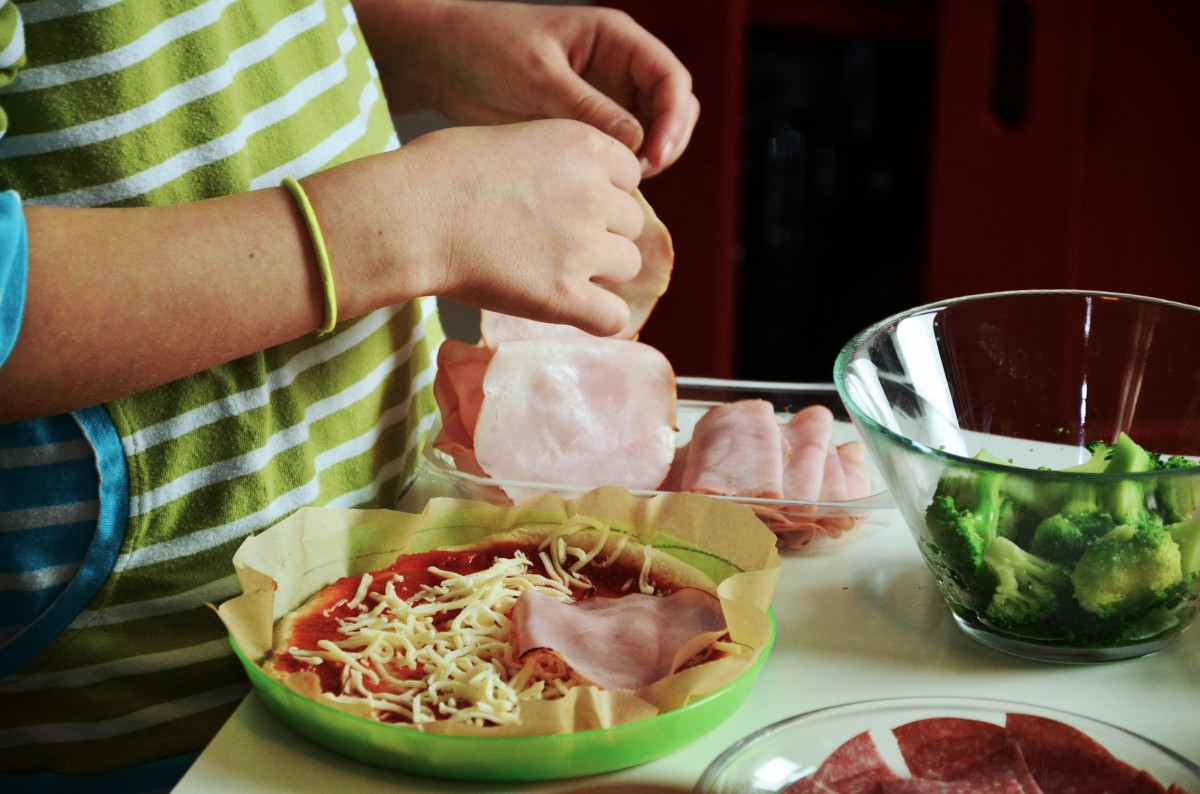
Ensuring children receive proper nutrition is fundamental to their growth and development. However, many misconceptions about children’s diets can lead to confusion among parents, caregivers, and even children themselves. Dispelling these myths with accurate information is essential for fostering healthy eating habits and promoting well-informed choices. Correct understanding helps prevent unnecessary dietary restrictions or overindulgence, supporting children’s overall well-being in a safe and sustainable manner.Myths about childhood nutrition often stem from misinformation, popular trends, or anecdotal advice.
Addressing these misconceptions with factual clarity enables caregivers to guide children toward balanced eating patterns without instilling undue worries or rigidity. Educating children about healthy eating in a straightforward yet reassuring way builds their confidence and encourages positive attitudes toward food.
Common Myths Versus Facts Regarding Childhood Nutrition
Below is a comparison table outlining prevalent nutritional myths and the factual truths that counter them. This table aims to clarify misconceptions that frequently circulate among parents and caregivers, helping them make evidence-based decisions for their children’s diets.
| Myth | Fact |
|---|---|
| Children need to eat sweets and junk food to be happy or for energy. | Healthy treats and balanced meals provide sustained energy; excessive sugar intake can lead to health issues like obesity and cavities. Moderation is key. |
| Kids must eat a lot of dairy for strong bones. | Calcium-rich foods like leafy greens, fortified plant-based milks, and other sources contribute to bone health. Dairy is beneficial but not the only option. |
| Restricting fats entirely is necessary for kids’ health. | Healthy fats are essential for brain development and hormone production. Unsaturated fats found in nuts, seeds, and fish are beneficial. |
| Children should avoid all carbs to stay slim. | Carbohydrates are a primary energy source. Whole grains, fruits, and vegetables are vital for proper growth and activity levels. |
| Vitamins and supplements are always better than food sources. | Most nutrients are best obtained through a varied diet; supplements are only necessary when deficiencies are identified by healthcare professionals. |
It is important to recognize that misconceptions can sometimes lead to restrictive behaviors or nutritional deficiencies. For example, believing that fats are inherently bad may lead to limiting healthy fat sources, which are crucial for brain development. Similarly, the myth that all carbs should be avoided can result in insufficient energy intake necessary for active children. Correcting these misconceptions requires consistent, factual communication grounded in scientific evidence.
Effective Communication of Healthy Eating Principles to Children
Conveying accurate nutrition information to children involves a delicate balance of clarity, reassurance, and positivity. Children are naturally curious and can easily sense anxiety or rigid expectations related to food, which may foster unhealthy attitudes or eating behaviors. To foster a healthy relationship with food, it is essential to communicate principles in a way that emphasizes balance and enjoyment rather than restriction or fear.
Using simple language and positive reinforcement helps children understand the importance of variety and moderation without feeling guilty or anxious about their choices.
Strategies include framing healthy eating as a way to support their growth, energy, and strength, rather than focusing solely on weight or appearance. Incorporating stories or analogies about how different foods help their bodies—such as “carrots help you see in the dark” or “milk makes your bones strong”—can make learning about nutrition engaging and relatable. It is also helpful to model healthy behaviors yourself, sharing your food choices with enthusiasm and without blame or judgment.
Encouraging children to listen to their bodies and recognize genuine hunger and fullness cues promotes intuitive eating habits. Providing a variety of nutritious options without pressuring them to eat specific foods fosters autonomy and confidence in their ability to make healthy choices on their own.
Wrap-Up
By implementing these practical tips and insights on how to eat for kids, parents can create a supportive environment that encourages nutritious choices and lifelong healthy habits. Ensuring children enjoy a balanced diet paves the way for their growth, happiness, and overall success, making each mealtime an opportunity for positive development.