Discovering how to eat healthy at fast food places is essential for maintaining balanced nutrition amidst busy lifestyles. With many options available, making informed choices can significantly improve your overall health without sacrificing convenience. Understanding how to identify nutritious menu items and customize orders can empower you to enjoy fast food responsibly and healthfully.
This guide offers practical strategies for selecting wholesome options, managing portion sizes, choosing better beverages, and incorporating fruits and vegetables into your meals. It also emphasizes the importance of reading nutritional labels and planning ahead to make healthier decisions effortlessly while dining out.
Selecting Nutritious Items from Fast Food Menus
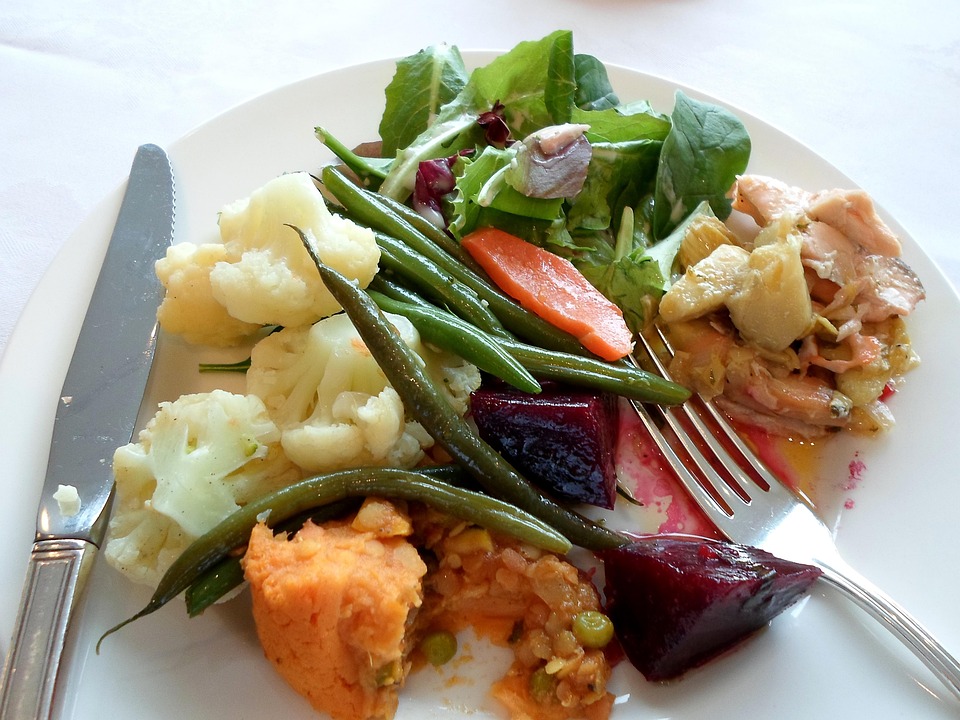
Choosing healthier options at fast food restaurants is essential for maintaining a balanced diet and supporting overall wellness. While fast food is often associated with high calorie, fat, and sugar content, many chains now offer nutritious alternatives that align with health-conscious goals. Making informed decisions involves understanding menu options, comparing nutritional content, and customizing orders to maximize health benefits.
By being aware of available nutritious items and learning how to tailor your order, you can enjoy the convenience of fast food while still adhering to a healthful eating pattern. Whether selecting a lean protein, opting for whole grains, or substituting fries with vegetables, these strategies can significantly improve your nutritional intake during quick meals.
Healthier Menu Options at Popular Fast Food Chains
Many fast food chains now feature a variety of health-oriented items designed to provide balanced nutrition without sacrificing flavor. Below is a list of commonly available options that are generally lower in calories, saturated fat, and added sugars, and higher in essential nutrients:
- Grilled Chicken Sandwiches: Typically lower in fat than fried options, offering lean protein.
- Salad Bowls: Incorporate fresh vegetables, lean proteins, and light dressings.
- Veggie Wraps: Filled with vegetables and whole-grain wraps for added fiber.
- Fruit Cups or Smoothies: Sweet options with natural sugars and vitamins.
- Grilled Fish or Seafood Items: Rich in omega-3 fatty acids and protein.
- Unsweetened Iced Tea or Water: Healthy beverage choices to reduce sugar intake.
- Whole Grain Side Items: Such as brown rice, whole wheat buns, or multigrain bread.
Comparison Table of Fast Food Items
Understanding the nutritional differences among popular fast food items aids in making healthier choices. The following table compares several common options across key nutrients:
| Item | Calories | Fat (g) | Sugar (g) | Protein (g) |
|---|---|---|---|---|
| Grilled Chicken Sandwich (Fast Food Chain A) | 350 | 8 | 5 | 30 |
| Cheeseburger (Fast Food Chain B) | 450 | 20 | 9 | 25 |
| Veggie Salad (Fast Food Chain C) | 200 | 7 | 6 | 5 |
| Fruit Smoothie (Fast Food Chain D) | 250 | 1 | 30 | 3 |
Comparing nutrient content helps identify the most balanced options, such as opting for grilled items over fried, and selecting beverages with minimal added sugars.
Step-by-Step Procedure for Customizing Fast Food Orders for Better Health
Customizing your fast food orders allows you to enhance their nutritional profile and align them with your health goals. Follow this systematic approach to make smarter choices:
- Review the Menu Options: Familiarize yourself with healthier items and available modifications online or through the restaurant’s menu.
- Choose Grilled Over Fried: Opt for grilled proteins like chicken, fish, or plant-based options to reduce saturated fat intake.
- Swap Fried Sides for Vegetables or Salads: Request a side salad, steamed vegetables, or fruit instead of fries or potato chips.
- Limit High-Sugar Additions: Avoid sugary drinks by choosing water, unsweetened tea, or low-calorie beverages. If a sweet drink is desired, opt for a small portion or dilute with water.
- Customize Dressings and Sauces: Use light dressings, or ask for sauces on the side to control added sugars and fats.
- Portion Control: Consider ordering smaller sizes or sharing larger portions to manage calorie intake effectively.
- Verify Nutritional Information: Many chains provide nutritional details online or in-store, aiding in making informed adjustments.
Implementing these steps consistently can significantly improve the healthfulness of fast food meals and support long-term dietary goals, even in the context of convenience dining.
Portion Control Strategies at Fast Food Places

Maintaining appropriate portion sizes is essential for managing calorie intake and supporting overall health, especially when dining at fast food establishments. Many fast food meals are designed to be large and tempting, making it easy to overeat without realizing it. Implementing effective portion control strategies can help individuals enjoy their meals while keeping their nutritional goals in check.Proper portion management begins with awareness of serving sizes and making mindful decisions when ordering.
By understanding typical portion sizes and adopting specific tactics, diners can significantly reduce their risk of overeating and contribute to long-term health benefits. Employing these strategies can also prevent unnecessary calorie consumption and help maintain a balanced diet even during busy or indulgent times.
Methods to Manage Portion Sizes When Ordering
Effective portion control starts with selecting menu items that align with personal nutritional needs. Many fast food restaurants offer smaller versions of popular items, which can be a suitable choice for those seeking to limit calorie intake. It is helpful to familiarize yourself with the menu beforehand, identifying options that come in smaller sizes or can be easily split.Another method involves asking for half portions or requesting to pack part of the meal before it is served, thus serving yourself a more reasonable amount.
Utilizing smaller plates or containers when available can also psychologically reinforce portion awareness. Additionally, choosing items that are naturally smaller, such as salads or side dishes, instead of large main courses, can help maintain control over intake.
Examples of Splitting Large Meals or Choosing Smaller Portions
Dividing large meals into smaller, shareable portions is an effective way to enjoy your favorite fast food while avoiding overeating. For instance, ordering a large burger and sharing it with a friend or splitting a family-sized pizza into two or three servings can significantly reduce calorie consumption. If dining alone, requesting a half-sized portion or a kid’s meal can satisfy hunger without excess.Many fast food chains now offer smaller or “light” versions of popular items, such as a small fries instead of a large, or a snack-sized burger.
These options are often just as satisfying and can be complemented with healthier sides like a side salad or fruit. Opting for multiple small items rather than one large meal allows for better portion regulation and can prevent feelings of overconsumption.
Tips for Avoiding Overeating and Supersizing
To maintain control over portion sizes and prevent overeating at fast food venues, consider these practical tips:
- Avoid supersizing options: Choose the regular size or smaller versions of drinks and meals to keep calorie intake in check.
- Order what you need: Stick to a reasonable portion that satisfies hunger without going overboard.
- Share meals: Split larger meals with a dining companion or take leftovers home for later.
- Use smaller containers: Request your meal be placed in a smaller box or ask for a “to-go” container to portion out half before eating.
- Be mindful of liquid calories: Limit sugary drinks and opt for water or unsweetened beverages to avoid unnecessary calorie intake.
- Pause and assess: Before finishing your meal, pause for a moment to assess whether you are truly hungry or just eating out of habit or boredom.
Remember, controlling portion sizes is not about deprivation but about making conscious choices that support your overall health and well-being while still enjoying dining out.
Making Better Beverage Choices
Choosing the right beverages at fast food establishments is an essential aspect of maintaining a healthy diet. Beverages can significantly impact overall calorie intake and the quality of hydration, affecting health in both the short and long term. Opting for healthier drinks rather than sugary sodas or high-calorie options can help manage weight, reduce the risk of chronic diseases, and promote better hydration throughout the day.
Sugary drinks are a leading source of added sugars in many diets and contribute to increased calorie consumption without providing essential nutrients. Regular consumption of sugary sodas has been linked to obesity, type 2 diabetes, dental problems, and other health issues. Therefore, making informed beverage choices at fast food places is vital for a balanced, health-conscious diet. Selecting low or no-sugar beverages not only reduces calorie intake but also supports overall wellness and helps maintain energy levels without the adverse effects associated with excess sugar consumption.
Healthier Beverage Options with Low or No Sugar
Fast food restaurants often offer a variety of beverages, many of which are high in sugar and calories. However, there are numerous healthier alternatives that can be enjoyed without compromising on taste or hydration. Incorporating these options into your meal can significantly improve your nutritional profile and support your health goals.
- Water: The most natural and calorie-free choice, water keeps you hydrated without adding any sugar or calories. It is the best option for maintaining hydration and supporting overall health.
- Unsweetened Tea: Whether hot or iced, unsweetened teas such as black, green, or herbal varieties provide antioxidants and flavor without added sugars. They can be enjoyed plain or with a squeeze of lemon for added freshness.
- Sparkling Water: Flavored or unflavored, sparkling water offers a bubbly alternative to sodas without the added sugars or artificial ingredients.
- Low-Calorie Lemonade or Flavored Water: These options are often lightly flavored without added sugars, providing a refreshing beverage choice with minimal calories.
- Milk or Plant-Based Alternatives: Unsweetened options like skim milk, almond milk, or soy milk offer nutrients such as calcium and vitamin D, with little to no added sugars.
Comparison of Calorie Content in Common Beverages
Understanding the calorie differences between typical soft drinks and healthier beverages can guide better choices. Many people are unaware of just how many calories are hidden in their favorite sodas compared to alternative drinks. Making simple substitutions can lead to significant health benefits over time.
| Beverage | Serving Size | Calories |
|---|---|---|
| Regular Cola | 12 oz (355 ml) | 140 calories |
| Diet Cola | 12 oz (355 ml) | 0-5 calories |
| Unsweetened Iced Tea | 12 oz (355 ml) | 0 calories |
| Sparkling Water (flavored, no sugar) | 12 oz (355 ml) | 0 calories |
| Fruit-Infused Water | 12 oz (355 ml) | 5-10 calories |
| Low-fat Milk | 12 oz (355 ml) | 122 calories |
Choosing beverages with lower or no calories reduces overall daily caloric intake, supporting weight management and reducing health risks associated with excess sugar consumption.
Strategies for Incorporating Fruits and Vegetables

Maintaining a balanced diet while enjoying fast food can be challenging, especially when striving to include sufficient fruits and vegetables. Fortunately, there are practical strategies to enhance your meals with produce, making them more nutritious without sacrificing convenience or flavor. By thoughtfully requesting modifications and choosing menu options that incorporate fresh ingredients, you can significantly improve your overall dietary quality during fast food outings.Including fruits and vegetables in fast food meals helps increase fiber intake, provide essential vitamins and minerals, and supports better digestion and health.
Simple adjustments like requesting extra toppings, adding side salads, or selecting menu items that naturally contain produce are effective ways to elevate your meal’s nutritional profile. These strategies not only promote healthier eating habits but also contribute to long-term wellness goals.
Adding Fruits and Vegetables to Fast Food Meals
In fast food settings, customizing your order to include more produce can be straightforward and delicious. Here are practical ways to do so:
- Request Extra Toppings: Ask for additional vegetables such as lettuce, tomatoes, onions, pickles, or peppers on your burger or sandwich to boost fiber, vitamins, and flavor.
- Opt for Side Salads: Replace traditional fries with a side salad that includes a variety of greens, tomatoes, cucumbers, and other fresh vegetables, complemented by a low-fat dressing.
- Include Fresh Fruit: Choose fruit options like apple slices, orange segments, or berries as sides or toppings to add natural sweetness and nutrients.
- Customize Wraps or Bowls: Select wraps or bowls that contain mixed vegetables or request additional vegetables be added to your order.
Examples of Enhancing Meal Nutritional Value with Produce
Integrating produce into fast food meals can be both simple and flavorful. Here are some ideas and examples:
- Adding sliced tomatoes, lettuce, and onions to a grilled chicken sandwich maximizes vitamin intake and adds crunch.
- Choosing a side of fresh fruit cups instead of fries offers fiber, antioxidants, and natural sugars for sustained energy.
- Ordering a burger or sandwich with extra roasted peppers, spinach, or arugula enhances flavor while increasing intake of phytonutrients.
- Opting for a wrap filled with assorted vegetables such as bell peppers, shredded carrots, and cucumbers provides a quick, nutritious meal.
Visual Guide for Optimal Combinations for Balanced Fast Food Meals
A well-balanced fast food meal combines protein, healthy fats, complex carbohydrates, and an ample serving of fruits and vegetables. The visual guide below illustrates optimal combinations:
| Component | Examples |
|---|---|
| Protein | Grilled chicken, turkey slices, veggie burger, beans |
| Whole Grains | Whole wheat bun, brown rice, whole grain wrap |
| Vegetables | Mixed salad, grilled vegetables, extra toppings (lettuce, tomato, peppers) |
| Fruits | Fresh apple slices, orange segments, berries |
| Healthy Fats | Avocado slices, nuts, olive oil-based dressings |
A balanced fast food meal combines a lean protein source with whole grains and a generous portion of colorful vegetables, complemented by a serving of fresh fruit and healthy fats. This approach ensures a diverse intake of essential nutrients, supporting overall health while still enjoying the convenience of fast food.
Tips for Planning and Preparing Healthy Fast Food Options

Maintaining a healthy diet while navigating the convenience of fast food requires strategic planning and preparation. By proactively organizing meals and making informed choices before reaching the restaurant, individuals can enjoy the benefits of fast food without compromising their health goals. Proper planning not only saves time but also ensures that nutritional needs are adequately met, reducing reliance on less nutritious options.Effective planning involves anticipating your dining needs, leveraging technology, and making mindful selections to support a balanced diet.
This approach helps you stay aligned with your health objectives, even in fast-paced environments where convenience often overrides nutritional considerations.
Evaluating Menus Before Visiting to Select the Healthiest Choices
Making informed decisions starts with reviewing menus ahead of time. Many fast food chains provide their menu options online, including detailed nutritional information, which is invaluable for planning healthier meals. Prior to visiting, examine the menu to identify items that are lower in saturated fats, added sugars, and sodium, while being higher in fiber, lean proteins, and vegetables.Create a shortlist of preferred choices that align with your nutritional goals.
Focus on options such as grilled proteins, salads with light dressings, or whole-grain sides. Using this pre-visit evaluation minimizes impulsive decisions, ensuring that your selections support your health objectives.
Organizing and Packing Healthy Snacks to Supplement Fast Food Meals
Supplementing fast food meals with nutritious snacks can help maintain energy levels and prevent overeating. Preparation is key to having healthy options readily available, especially during busy days. Packing snacks in advance ensures access to wholesome foods that complement your main meal and contribute to balanced nutrition.Here are some practical suggestions for healthy snacks to take along:
- Fresh fruit such as apples, bananas, or berries that are easy to carry and require no preparation.
- Pre-portioned servings of nuts or seeds, like almonds or sunflower seeds, providing healthy fats and protein.
- Individual containers of Greek yogurt or cottage cheese for a protein-rich, satiating snack.
- Whole-grain crackers or rice cakes paired with hummus or nut butter for added fiber and healthy fats.
- Vegetable sticks like carrot, cucumber, or celery with a small container of hummus or tzatziki for crunch and nutrients.
Including these snacks provides additional nutritional value and helps control hunger, enabling better choices at fast food outlets and supporting overall dietary balance.
Educating About Hidden Ingredients and Nutritional Labels

Understanding how to effectively read nutritional labels and ingredient lists at fast food establishments is essential for making informed dietary choices. Many consumers are unaware of the presence of additives, preservatives, and hidden sources of sugar or unhealthy fats that can undermine health goals. Empowering oneself with the knowledge to interpret this information allows for better control over dietary intake and supports healthier eating habits.
Critical evaluation of nutritional information and ingredient lists involves recognizing key components such as calorie counts, fat types, carbohydrate sources, and additives. By developing this skill, individuals can compare menu options accurately and select items that align with their nutritional needs and health objectives.
Deciphering Calorie Counts and Macronutrient Data
Calories indicate the energy provided by a food item, and understanding this helps prevent overconsumption, especially for those managing weight or energy levels. It is important to consider not just the total calorie count, but also how these calories are derived from fats, carbohydrates, and proteins.
Prepare to scrutinize labels by noting the serving size—calorie counts are often based on specific portions.
Fats are classified into saturated, trans, monounsaturated, and polyunsaturated fats. Trans fats and excessive saturated fats are linked to cardiovascular health issues, while healthy fats are beneficial in moderation. Carbohydrates include sugars, starches, and fibers; high sugar content suggests added sugars that may spike blood glucose levels.
Protein content is also crucial, especially for maintaining muscle mass and satiety. Reading the label allows for balancing these macronutrients to suit individual health goals.
Interpreting Ingredient Lists and Additives
Ingredient lists provide insight into what is actually in the food, often revealing hidden sources of unhealthy components. Recognizing common additives, preservatives, and flavor enhancers can help consumers avoid potential allergens or substances linked to adverse health effects.
- Look for familiar ingredients: Whole foods like chicken, lettuce, and tomatoes are preferable to chemical names or unrecognizable substances.
- Identify added sugars: Names like sucrose, high fructose corn syrup, and dextrose indicate added sugars that contribute to caloric intake without nutritional benefit.
- Assess preservatives and flavor enhancers: Substances such as MSG, nitrates, or artificial colors are common in processed fast food items and may impact health over time.
Being attentive to ingredient lists enables consumers to avoid unwanted additives and select menu options that are closer to natural and minimally processed foods.
Using Nutritional Data for Comparison
Creating a clear comparison of menu items based on nutritional information supports healthier decision-making. Developing a comparison table allows individuals to evaluate options efficiently, considering factors such as calorie content, fat levels, carbohydrate sources, and additives.
| Menu Item | Serving Size | Calories | Total Fat (g) | Saturated Fat (g) | Carbohydrates (g) | Sugars (g) | Protein (g) | Notable Additives/Comments |
|---|---|---|---|---|---|---|---|---|
| Grilled Chicken Sandwich | 150g | 350 | 9 | 2 | 40 | 5 | 30 | Minimal preservatives, no trans fats |
| Burger with Cheese | 180g | 520 | 28 | 12 | 45 | 9 | 25 | Contains processed cheese, trans fats present |
| Veggie Salad | 200g | 150 | 5 | 1 | 20 | 4 | 5 | Fresh ingredients, low additives |
This table exemplifies how consumers can weigh health considerations by comparing various options based on their nutritional profiles, leading to more informed and healthier choices at fast food restaurants.
Summary
In summary, adopting mindful eating habits at fast food outlets enables you to enjoy your meals without compromising your health. By applying these tips on choosing nutritious items, controlling portions, and understanding labels, you can make smarter choices that support your wellness goals. Embracing these strategies will help you maintain a balanced diet even during busy days.