Learning how to eat slower can transform your dining experience and contribute significantly to your overall well-being. By consciously adopting mindful eating habits, you not only enjoy your meals more fully but also support better digestion and weight management. This approach encourages a deeper connection with your food, offering an opportunity to savor each bite and foster healthier eating patterns.
Implementing techniques to slow down during meals involves simple yet effective strategies such as taking smaller bites, chewing thoroughly, and setting down utensils between bites. Creating a calm environment free of distractions can further enhance mindful eating, making each meal a moment of awareness and appreciation. Embracing these habits can lead to lasting positive changes in your relationship with food.
Understanding the Importance of Eating Slower
Adopting a slower eating pace provides numerous health advantages and promotes better overall well-being. Many individuals underestimate how significantly the speed at which they eat can impact digestion, weight management, and their psychological state during meals. Recognizing these benefits encourages adopting mindful eating habits that foster healthier lifestyles.
Eating slowly allows the body to properly process food, enhances the sensation of fullness, and reduces overeating. It also supports better digestion by stimulating saliva production and ensuring that enzymes are adequately released to break down food. Additionally, taking time during meals can improve the enjoyment of food, foster mindful awareness, and strengthen the connection between mind and body, leading to more satisfying eating experiences.
Health Benefits of Eating Slower
Eating at a slower pace offers a range of health benefits supported by scientific studies. When individuals eat slowly, they tend to consume fewer calories, aiding in weight management and reducing the risk of obesity. Proper digestion is also facilitated, as the increased chewing and saliva production help break down food more efficiently, preventing issues such as indigestion, bloating, and stomach discomfort.
Furthermore, slower eating is linked to improved blood sugar control, especially for those with insulin resistance or diabetes, because it allows the body to better regulate glucose response after meals. The extended time spent during meals also provides an opportunity for the body to signal fullness, decreasing the likelihood of overeating and promoting a healthier caloric intake.
Psychological and Physiological Foundations of Satiety
The sensation of fullness, or satiety, is regulated by complex interactions between the brain and the digestive system. When eating quickly, the brain receives signals of fullness too late, often after excessive food intake. Conversely, eating slowly allows the brain to process satiety signals more effectively, leading to a natural reduction in food consumption.
Physiologically, the hormone leptin, which signals satiety, increases gradually as food is consumed, while ghrelin, the hunger hormone, decreases. Eating slowly provides sufficient time for these hormonal responses to occur, resulting in a feeling of satisfaction without overeating. Psychologically, mindful eating enhances awareness of hunger and fullness cues, helping individuals develop healthier eating habits over time.
Common Habits Leading to Fast Eating and Their Negative Effects
Many modern habits contribute to rapid eating, often driven by busy schedules, distractions, or emotional eating patterns. These habits can undermine healthy eating and lead to adverse health outcomes. Understanding these behaviors is essential to developing strategies for mindful, slower eating.
- Multitasking during meals, such as watching TV or using electronic devices, diverts attention from the act of eating, causing individuals to eat more quickly without realizing it.
- Eating on the go or in a rush, often due to tight schedules, results in insufficient chewing and hurried swallowing, impairing digestion.
- Consuming large bites or portions without pausing reduces the opportunity for the brain to receive satiety signals, increasing the risk of overeating.
- Emotional eating, triggered by stress, boredom, or anxiety, can lead to rapid consumption of food as a coping mechanism, disregarding actual hunger cues.
Negative effects of fast eating include increased calorie intake, poorer digestion, higher likelihood of gastrointestinal discomfort, and a greater risk of metabolic issues like insulin resistance. Over time, these habits can contribute to weight gain, decreased satisfaction from meals, and an overall decline in health.
Techniques to Practice Eating Slower

Adopting effective techniques to slow down during meals can significantly improve digestion, enhance satiety, and promote healthier eating habits. These methods require consciously adjusting eating behaviors and incorporating mindful practices into each meal, enabling you to enjoy your food more fully while preventing overeating.
Implementing these strategies involves deliberate actions that interrupt the typical rush to finish a meal. By focusing on controlling speed and increasing awareness during eating, you can develop a more mindful approach that supports overall well-being and encourages better nutritional choices.
Conscious Bite and Chewing Practices
One of the most direct ways to reduce eating speed is to focus on the quality and quantity of each bite. This involves taking smaller bites, chewing thoroughly, and appreciating the textures and flavors of the food. These practices not only slow down the pace but also aid in better digestion and satiety recognition.
- Taking Smaller Bites: Reduce the portion size of each mouthful to prevent rushing through the meal. Smaller bites are easier to chew completely and help you become more aware of your eating pace.
- Chewing Thoroughly: Aim to chew each bite at least 20-30 times, or until the food reaches a smooth consistency. This not only slows down eating but also enhances nutrient absorption and reduces the risk of indigestion.
- Pausing Between Bites: Place your utensils down after each bite and wait before taking the next. Use this pause to savor the flavors and gauge your fullness levels.
Methods to Reduce Eating Speed
Beyond the conscious effort of taking smaller bites and chewing thoroughly, several practical methods can be employed to naturally decrease the pace of eating. These techniques are easy to incorporate into daily routines and can be adapted based on individual preferences.
- Setting Utensils Down: After each bite, put down your fork or spoon. This prevents the habit of continuous eating and encourages pauses, giving your brain time to register fullness signals.
- Using a Timer or Pace Keeper: Allocate a specific amount of time for each bite or each course of the meal. For example, aim to take at least 20-30 seconds per bite, which can gradually develop into a natural slowing of eating speed.
- Focusing on Food Sensory Experience: Pay close attention to the taste, aroma, and texture of your food. Mindfulness of sensory details makes eating more engaging and naturally slows the pace.
- Engaging in Conversation: If dining socially, participate actively in conversation. Talking requires pauses and naturally extends mealtime, reducing the tendency to eat quickly.
Pacing Strategy Comparison Table
Different pacing strategies can vary in effectiveness depending on individual habits and contexts. The table below compares several common techniques, outlining their expected outcomes to help determine suitable approaches for slowing down during meals.
| Strategy | Description | Expected Outcomes |
|---|---|---|
| Taking Smaller Bites | Reducing portion size per bite to encourage slower chewing and mindful eating | Increased awareness of fullness, improved digestion, reduced overeating |
| Chewing Thoroughly | Ensuring each bite is chewed 20-30 times before swallowing | Enhanced nutrient absorption, better satiety signals, slower eating pace |
| Putting Utensils Down Between Bites | Pausing and setting down utensils after each mouthful | Extended meal duration, increased sensory enjoyment, reduced tendency to rush |
| Using a Timer or Pace Keeper | Allocating specific time intervals for bites or courses | Consistent pacing, habit formation of slower eating, mindfulness reinforcement |
| Engaging in Mindful Focus | Paying attention to flavors, textures, and aroma during eating | Enhanced satisfaction, reduced food intake, stronger connection to hunger cues |
| Social Engagement and Conversation | Participating in dialogue during meals | Natural pauses, extended mealtime, decreased impulsive eating |
Behavioral Strategies to Encourage Slow Eating
Developing consistent routines and habits is essential for fostering mindful eating practices that support slower, more deliberate consumption of meals. These behavioral strategies help cultivate awareness of eating pace, minimize distractions, and reinforce positive eating behaviors over time. Implementing such routines can significantly contribute to better digestion, greater satisfaction from meals, and healthier relationships with food.
By establishing specific actions and environmental modifications, individuals can create a conducive setting for mindful eating. These strategies not only assist in reducing hurried eating but also promote a more fulfilling and intentional approach to meals, ultimately leading to improved well-being and nutrition outcomes.
Establishing Routines and Habits that Support Mindful Eating
Consistent routines serve as the foundation for cultivating mindful eating behaviors. Incorporating specific practices into daily meal times helps reinforce slow eating habits and increases awareness of one’s eating pace. These routines can include setting aside dedicated time for meals, taking deep breaths before starting to eat, and consciously savoring each bite.
For example, creating a habit of sitting down at the table without electronic devices, such as smartphones or television, ensures a focused environment. Establishing a ritual, like saying a prayer or expressing gratitude before eating, can also shift attention from external distractions to the sensory experience of the meal. Over time, these routines become automatic, making slow and mindful eating a natural part of daily life.
Using Timers and Mindful Explanations to Build Awareness of Eating Pace
Implementing practical tools like timers can significantly assist in maintaining a deliberate pace during meals. Setting a timer for each bite or for the entire meal encourages individuals to slow down and pay attention to their eating rhythm. For instance, aiming to take at least 20-30 minutes per meal allows sufficient time for proper digestion and satiety signals to develop.
Additionally, mindful explanations—such as verbally or internally noting the texture, flavor, and temperature of each bite—enhance awareness of eating speed. Using phrases like “I will take my time to enjoy every flavor” or “I’ll chew slowly and thoroughly” can serve as gentle reminders to stay present. This conscious approach discourages rushed eating and promotes a more relaxed, enjoyable dining experience.
Creating a Calm and Distraction-Free Eating Environment
Distractions such as screens and noisy settings often lead to hurried and mindless eating. To foster slow eating habits, it is important to create an environment that minimizes external stimuli. Turning off televisions, computers, and smartphones during meals helps focus attention solely on the act of eating. A calm environment—characterized by soft lighting, comfortable seating, and a tidy table—encourages relaxation and mindfulness.
Furthermore, establishing a designated dining space that is free from interruptions supports the development of deliberate eating routines. Avoiding multitasking while eating enables individuals to notice their body’s hunger and fullness cues, preventing overeating and promoting slower, more thoughtful consumption. Consistently practicing these environmental modifications reinforces the habit of mindful, unhurried eating, contributing to overall health and satisfaction.
Incorporating Mindfulness and Awareness During Meals

Integrating mindfulness into mealtime practices can significantly enhance your ability to eat more slowly and mindfully. By cultivating awareness during each bite, you become more attuned to your body’s signals of fullness and enjoyment, which naturally promotes a more measured eating pace. This practice not only improves digestion but also heightens the overall eating experience, making meals more satisfying and reducing the tendency to overeat.
Mindfulness techniques during meals involve paying deliberate attention to various sensory experiences and internal cues. By fostering a present-focused approach, you can break free from automatic eating habits, develop a deeper appreciation for your food, and establish a more intentional relationship with eating. Below are practical methods and exercises to incorporate mindfulness into your mealtime routine, enriching your understanding of your body’s responses and enhancing your ability to eat slowly and thoughtfully.
Guided Step-by-Step Mindfulness Exercise for Mealtime
- Prepare your environment: Sit comfortably at your dining area without distractions such as screens or background noise. Take a moment to settle into the present moment, closing your eyes briefly to center yourself if desired.
- Observe your initial sensations: Before taking the first bite, notice your hunger level, the smell of the food, and any expectations or thoughts about the meal. Acknowledge these sensations without judgment.
- Engage your senses: As you pick up your utensil or fork, pay attention to the texture and temperature of the food. Notice the colors and aroma, and take a moment to appreciate the visual appeal and scent.
- Eat slowly and deliberately: Take small bites, chew thoroughly, and savor each mouthful. Focus on the taste, texture, and aroma of the food, allowing yourself to fully experience each element.
- Check in with your body: Periodically pause to assess your fullness and satisfaction levels. Notice any changes in hunger or cravings, and adjust your pace accordingly.
- Express gratitude: Conclude the meal by reflecting on the nourishment provided and expressing gratitude for the food and the effort involved in preparing it.
Examples of Mindful Eating Practices
Practicing mindful eating involves intentionally directing your attention to the sensory and internal cues associated with eating. Here are some examples that can enhance your awareness and promote slower, more deliberate eating:
- Focusing on the taste of each bite, noticing sweet, salty, bitter, or umami flavors as they evolve.
- Paying close attention to the texture of the food, such as creaminess, crunchiness, or smoothness, and how it feels in your mouth.
- Noticing the aroma and how it enhances the overall eating experience, creating anticipation and richness.
- Recognizing feelings of hunger and fullness as they arise, helping to prevent overeating or eating out of habit.
- Taking pauses between bites to breathe deeply, allowing your body to register satiety signals.
- Expressing gratitude for the meal, which fosters a more appreciative and mindful attitude toward eating.
“Mindful eating transforms ordinary meals into opportunities for sensory delight and self-awareness, encouraging slower, more conscious consumption.”
Common Challenges and How to Overcome Them

Eating slowly can significantly improve digestion, promote mindful eating, and aid in weight management. However, several obstacles may hinder individuals from adopting this habit consistently. Recognizing these challenges and implementing practical strategies can facilitate a smoother transition to slower eating practices, ensuring better health outcomes and a more satisfying mealtime experience.Understanding common challenges helps in developing targeted solutions that address specific barriers, whether they arise from social environments, time limitations, or ingrained habits.
By proactively managing these obstacles, individuals can maintain their commitment to eating more deliberately, ultimately reaping the benefits of mindful consumption.
Social Settings and Peer Influence
Social interactions during meals, such as dining with friends or family, often create a fast-paced atmosphere that encourages hurried eating. Peer pressure or social norms can inadvertently promote eating quickly to keep up with the group’s pace, making it difficult to practice slower eating.To counteract this, it is helpful to communicate intentions beforehand, such as informing companions of the goal to eat more mindfully.
Engaging in conversation and focusing on shared experiences can naturally extend meal duration and shift attention away from speed. Additionally, setting an example by eating slowly may influence others to adopt similar habits, fostering a culture of mindful dining within social groups.
Time Constraints and Busy Schedules
A common obstacle to eating slowly is the perception of limited time, especially during work lunches or tight schedules. Rushing through meals can become habitual when faced with deadlines or back-to-back commitments, undermining efforts to eat mindfully.Pre-meal planning can alleviate this challenge. Preparing smaller portions or choosing meals that require minimal preparation can reduce the temptation to eat quickly. Allocating specific time slots dedicated to eating without distractions ensures that individuals can focus on their food and pace themselves appropriately.
Using timers or setting reminders can help establish a more relaxed mealtime routine despite a busy schedule.
Difficulty Maintaining Consistency
Sticking to slow eating practices over time can be challenging, especially when initial motivation wanes or old habits resurface. Without ongoing reinforcement, maintaining behavioral change may be difficult.Different methods can support long-term commitment. Tracking progress through journaling or using mobile apps offers visual cues of improvement, reinforcing positive behavior. Seeking support from friends, family, or support groups creates accountability and encouragement.
Regularly reviewing goals and celebrating small successes can boost motivation and ensure that mindful eating becomes a sustained habit rather than a temporary effort.
Environmental and Habitual Triggers
Environmental cues, such as watching television or using electronic devices during meals, can lead to distracted and hurried eating. Additionally, habitual patterns, like eating quickly out of stress or boredom, pose significant barriers.Strategies to overcome these include creating a dedicated dining space free of distractions, setting a specific table for meals, and practicing awareness of environmental triggers. Developing alternative coping mechanisms for stress or boredom, such as deep breathing or brief walks, can reduce reliance on fast eating as a response.
Establishing routines that emphasize mindful presence during meals helps break habitual patterns and fosters consistent slow eating habits.
Practical Tips for Different Eating Situations
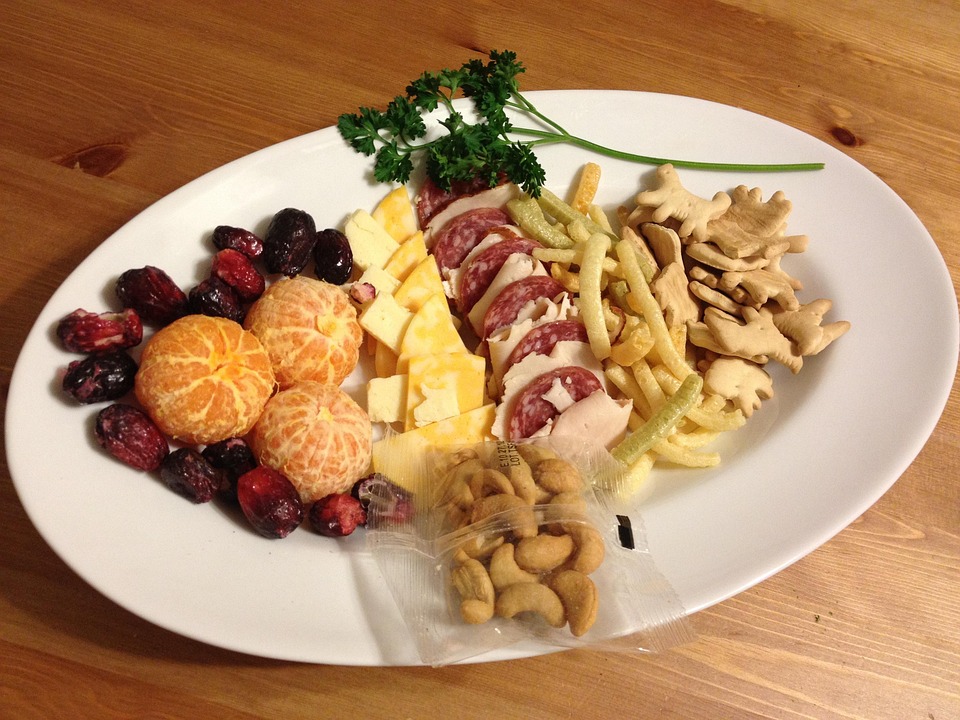
Adapting your slow eating habits to various settings ensures consistency and helps develop healthier habits regardless of where you are. Whether dining at home, enjoying a meal at a restaurant, or grabbing a quick bite on the go, tailored strategies can significantly enhance your ability to eat more mindfully and slowly. Implementing these practical tips across different contexts supports sustainable change and improves overall digestion, satiety, and enjoyment of meals.
Each eating situation presents unique challenges and opportunities for practicing slow eating. By understanding specific techniques suited to each context and recognizing potential obstacles, you can create routines that promote mindfulness and reduce hurried eating. The following guidance offers targeted advice, sample routines, and a helpful table summarizing key points to support your efforts in maintaining slow eating habits across diverse settings.
Eating at Home
Home environments typically offer the most control over meal pace, making it an ideal setting to establish and reinforce slow eating habits. Incorporating deliberate routines during home meals can help embed mindful practices into daily life. Focus on creating a calming ambiance, setting the table intentionally, and dedicating time to enjoy your food without distractions.
- Begin meals with a moment of gratitude or a brief breathing exercise to center your attention on the present.
- Use smaller utensils or chopsticks to slow down each bite naturally.
- Place utensils down between bites, allowing yourself to savor the flavor and texture.
- Set a timer for 20-30 minutes, encouraging a leisurely pace without rushing.
- Limit distractions such as screens or multitasking during meals to foster awareness.
Developing a consistent routine at home reinforces slow eating habits, making them easier to carry over into other settings.
Eating in Restaurants
Dining out introduces variables such as social interactions, busy environments, and menu choices that can challenge slow eating. To maintain mindfulness and pacing, it’s helpful to adopt specific strategies that foster calm and focus despite external distractions.
- Inform your server of your intention to eat slowly; request smaller or pre-portioned dishes if available.
- Take small bites and put utensils down frequently to encourage mindful chewing and savoring.
- Engage in conversation or observe your surroundings to slow down and remain present.
- Avoid rushing through the meal to keep pace with others; set your own comfortable tempo.
- Use your napkin or table setting as a physical reminder to pause between bites.
Preparation and awareness during restaurant visits can help you enjoy your meal more fully while maintaining a slow, mindful pace.
Eating on-the-Go
On-the-go eating often involves limited time and quick bites, posing a challenge to slow eating habits. To counteract this, practical tips focus on preparing in advance and making mindful choices even in busy moments.
- Choose portable, less processed options that can be eaten slowly, such as whole fruits, nuts, or salads.
- Pre-portion your snacks into smaller servings to avoid overeating and promote savoring.
- Practice mindful breathing or brief pauses before starting to eat to set an intention for slow eating.
- Take smaller bites and chew thoroughly, even during quick stops.
- Whenever possible, find a quiet corner or designated space to focus on your meal without distractions.
Planning ahead and making conscious choices can help you maintain mindful, slow eating habits even during busy or transient moments.
Sample Routines and Checklists
Establishing routines across different settings involves specific steps that support sustained slow eating habits. Below are example checklists to serve as guides for each context:
- Home Routine: Set a calming atmosphere, serve smaller portions, put utensils down between bites, and avoid screens.
- Restaurant Routine: Request smaller portions, focus on conversation, chew slowly, and set mini-goals for each bite.
- On-the-Go Routine: Pre-portion snacks, choose mindful options, pause before eating, and focus on thorough chewing.
Comparison Table of Eating Situations
| Situation | Recommended Techniques | Potential Challenges |
|---|---|---|
| Home |
|
|
| Restaurant |
|
|
| On-the-Go |
|
|
Monitoring and Maintaining Progress
Ensuring that one maintains the habit of eating more slowly requires consistent monitoring and strategic adjustments. Tracking progress over time helps identify patterns, recognize improvements, and address challenges effectively. Establishing clear, achievable goals for meal duration encourages sustained behavioral change and fosters a sense of accomplishment. Regular evaluation through various methods, such as journaling or gathering feedback from dining companions, provides valuable insights and motivation to stay committed to the goal of mindful, slower eating.Monitoring progress is fundamental to sustaining behavioral changes.
It involves regularly assessing how well individuals are adhering to their desired eating pace and making necessary adjustments. By systematically tracking, individuals can develop greater self-awareness and recognize the positive impacts of eating slower, including improved digestion, increased satisfaction, and better portion control. This ongoing process enables the identification of obstacles and the reinforcement of successful strategies, creating a supportive environment for lasting change.
Tracking Eating Pace Over Time
Monitoring your eating speed can be achieved through simple, consistent methods that provide valuable feedback. One effective approach is maintaining a food journal specifically focused on timing each meal and snack. Use a stopwatch or timer to record the duration of each eating session, noting when you begin and finish. Recording additional details such as the number of bites or the time spent chewing can deepen awareness of your eating rhythm.Another practical method involves setting weekly or daily goals for meal duration.
For example, initially aim to extend your mealtime by a few minutes each week, gradually increasing to a target of 20-30 minutes per meal. Over time, this creates a tangible measure of progress and helps prevent regression into faster eating habits. Technology tools, such as mindfulness or habit-tracking apps, can also be adapted to record progress and provide reminders to eat at a slower pace.
Setting Achievable Goals for Meal Duration
Establishing realistic and attainable goals is essential for sustainable progress in slowing down eating. Goals should be specific, measurable, and aligned with individual habits and lifestyles. For example, a beginner might aim to increase their average meal duration from 10 minutes to 15 minutes within two weeks. Incremental targets help prevent discouragement and support steady progress.Using the SMART criteria—Specific, Measurable, Achievable, Relevant, Time-bound—can facilitate effective goal-setting.
For example, “Increase meal duration to 20 minutes within one month” provides a clear target with a deadline, fostering accountability. Regularly reviewing and adjusting these goals based on progress and challenges ensures they remain relevant and motivating.
Methods to Evaluate Success
Evaluating progress involves multiple approaches that provide both quantitative and qualitative insights into your behavior change. Keeping a meal journal is an effective practice; record the duration, your feelings during the meal, and any noticeable benefits such as reduced overeating or increased satisfaction. Over time, these logs reveal trends and reinforce positive behaviors.Feedback from dining companions offers additional perspectives on your eating pace.
If friends or family notice that you are taking more time to eat or comment on your mindful eating, it indicates progress. Some individuals also find it helpful to record their own reflections after meals, noting feelings of fullness, enjoyment, and stress levels. Visual or physical cues, such as feeling more satiated with smaller portions, serve as indicators of successful adaptation to slower eating habits.
“Consistent tracking and honest evaluation are vital to transforming slow eating from a conscious effort into a lasting habit.”
Ending Remarks

Mastering how to eat slower requires patience and consistency, but the benefits are well worth the effort. By incorporating mindful techniques, overcoming common obstacles, and tailoring approaches to different situations, you can cultivate healthier eating habits that last a lifetime. Remember, slowing down not only improves your physical health but also enriches your dining experience and emotional well-being.