How to freeze healthy meals effectively is a valuable skill for anyone seeking to maintain nutritious eating habits amidst busy schedules. Proper freezing techniques enable you to preserve the flavor, texture, and nutritional value of your homemade meals, making healthy eating both convenient and sustainable. By mastering the art of freezing, you can save time, reduce food waste, and enjoy wholesome meals anytime you desire.
This guide provides essential tips on selecting suitable ingredients, preparing meals for freezing, employing appropriate freezing methods, organizing your storage space, and reheating with care. Whether you’re freezing soups, grains, vegetables, or proteins, understanding these practices ensures your meals stay nutritious and delicious until they’re ready to be enjoyed.
Introduction to freezing healthy meals
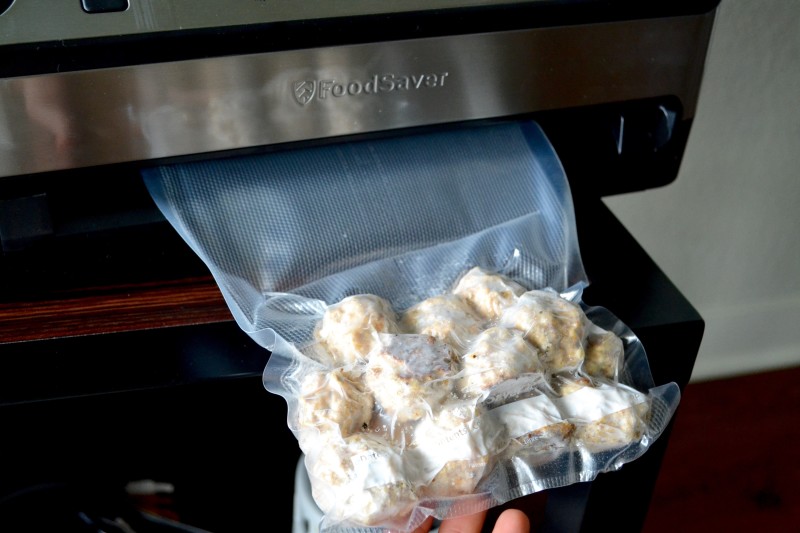
Freezing homemade healthy meals offers a practical solution for individuals seeking to maintain a nutritious diet amidst busy lifestyles. By preparing meals in advance and storing them properly, it becomes easier to resist the temptation of opting for less healthy takeout options or quick-fix processed foods. Freezing also ensures that meals retain their freshness and nutritional value over an extended period, providing convenience without compromising health.
Adopting effective storage techniques is crucial to preserve the quality and nutrients of your healthy meals. Proper packaging, temperature control, and portioning help prevent freezer burn, spoilage, and nutrient loss. Understanding the right methods for freezing different types of foods—such as vegetables, proteins, and grains—can significantly impact the taste and nutritional integrity of your meals.
Benefits of freezing homemade healthy meals
Freezing nutritious meals offers multiple advantages, particularly for those balancing a hectic schedule. It allows for meal planning and preparation in advance, saving time on busy weekdays. Additionally, freezing helps minimize food waste by preserving leftovers and surplus ingredients, turning them into ready-to-eat meals later. This approach encourages healthier eating habits by making wholesome foods readily accessible, reducing reliance on convenience foods that often contain preservatives, excess sodium, and unhealthy fats.
Importance of proper storage techniques
Maintaining the nutritional quality of frozen meals hinges on correct storage practices. Using airtight containers or freezer-safe bags minimizes exposure to air, which can cause freezer burn and nutrient deterioration. Labeling each package with the date of freezing ensures proper rotation and consumption within optimal timeframes. Maintaining a consistent freezer temperature—ideally at or below -18°C (0°F)—prevents bacterial growth and preserves food integrity.
Employing these techniques ensures that your healthy meals remain safe, flavorful, and nutritious over time.
Common mistakes to avoid when freezing healthy foods
Several errors can compromise the quality of frozen healthy meals, making it essential to be aware of best practices. One common mistake is overfilling containers, which can lead to uneven freezing and potential spoilage. Not removing excess air from storage bags increases the risk of freezer burn and oxidation. Additionally, freezing foods at inconsistent temperatures or for too long may result in a loss of texture and nutrients.
It is also important to avoid freezing certain foods together that may release fluids or cause cross-contamination, which can negatively impact the quality of your meals. Proper planning, packaging, and timing help ensure your frozen meals retain their intended nutritional and sensory qualities.
Preparing Meals for Freezing
Proper preparation of meals is a crucial step in ensuring their quality and safety when stored in the freezer. Selecting appropriate ingredients, portioning accurately, and cooling efficiently help maintain flavor, texture, and nutritional value while preventing spoilage and freezer burn. A systematic approach to meal preparation enables consistent results and optimizes convenience for future consumption.
By following structured procedures, you can maximize the shelf life of your healthy meals and streamline your meal planning process. This involves choosing ingredients that freeze well, utilizing suitable containers for individual servings, and implementing effective cooling techniques to preserve freshness. The following guidelines provide a comprehensive framework for preparing meals optimized for freezing.
Selecting Ingredients Suitable for Freezing
Choosing the right ingredients is fundamental to maintaining meal quality during freezing. Some foods retain their texture and flavor better than others once frozen, making them ideal for meal prep. The quality of ingredients at the time of freezing directly impacts the final taste and nutritional value when reheated.
Ingredients should be fresh, free from bruises or spoilage, and appropriate for freezing. Vegetables such as broccoli, carrots, spinach, and bell peppers generally freeze well when blanched briefly before storage. Proteins like cooked chicken, turkey, and lean beef are suitable, provided they are cooked thoroughly and cooled before freezing. Grains like rice and quinoa also freeze effectively if stored properly.
Tip: Avoid freezing ingredients with high water content, such as lettuce or tomatoes, as they tend to become soggy and lose texture after thawing.
| Ingredient | Freezing Stability | Notes |
|---|---|---|
| Broccoli | Excellent | Blanch before freezing to preserve color and texture |
| Cooked Chicken | Good | Cool thoroughly before freezing in airtight containers |
| Tomatoes | Poor | Better used in cooked dishes after freezing |
| Cooked Rice | Excellent | Cool completely before freezing to prevent clumping |
| Leafy Greens | Fair | Best when chopped and blanched, then frozen in portioned bags |
Portioning Meals into Single Servings
Dividing meals into individual portions simplifies reheating and helps prevent waste. Proper portioning ensures consistent serving sizes and allows for better meal planning. Using a variety of containers tailored for freezing can facilitate this process, optimizing convenience and reducing preparation time.
When portioning, select containers that are durable, freezer-safe, and appropriate for the meal type. For liquids or soups, use airtight jars or silicone molds. For solid meals, consider using plastic or glass containers with tight-fitting lids, or resealable freezer bags. Employing different sizes allows flexibility based on individual appetite and meal type.
Tip: Leave a small space at the top of containers to accommodate expansion during freezing, preventing lid distortion or container breakage.
- Divide cooled meals evenly into selected containers, using a measuring cup or scale for accuracy if needed.
- Use the “portion control” method to align servings with daily caloric and nutritional goals.
- Label each container with the meal name, date of preparation, and portion size for easy identification.
- Seal containers tightly to prevent air exposure, which can cause freezer burn.
- Arrange containers in the freezer to allow for efficient air circulation, ensuring consistent freezing.
Cooling Meals Quickly Before Freezing
Rapid cooling of cooked meals minimizes the risk of bacterial growth and preserves food quality. Hot foods should not be placed directly into the freezer, as this can raise the freezer’s temperature and jeopardize the safety of other stored items. Implementing effective cooling strategies ensures meals are frozen at the optimal temperature promptly, maintaining their freshness and nutritional integrity.
The process involves transferring hot meals into shallow, heat-resistant containers to facilitate faster cooling and using methods such as ice baths or dividing large portions into smaller containers. These techniques help reduce cooling time from hours to less than two hours, a critical window to prevent spoilage.
Guideline: Promptly refrigerate hot foods for at least 30 minutes before transferring to the freezer, and never leave cooked meals at room temperature for more than two hours.
- Immediately after cooking, transfer meals into shallow containers to maximize surface area for rapid cooling.
- If necessary, place containers in an ice bath or sink filled with ice and water to accelerate cooling.
- Stir or rotate the meals occasionally to promote uniform cooling, especially for large batches.
- Use a food thermometer to verify that meals have cooled to below 40°F (4°C) before sealing and storing in the freezer.
- Label and date the packages to track storage duration and ensure timely consumption.
Freezing techniques for different types of healthy meals
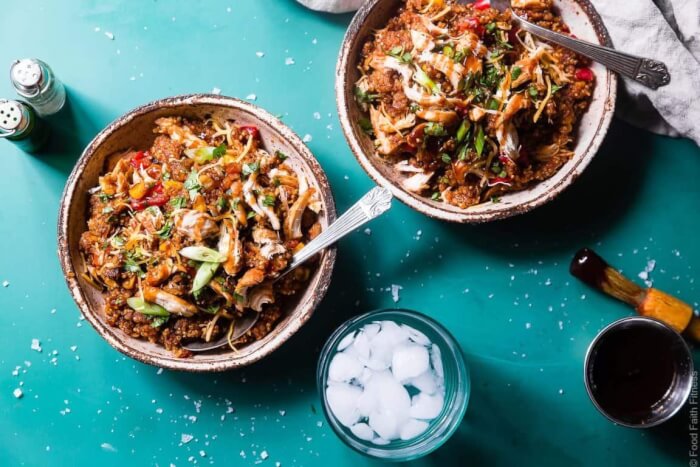
Proper freezing techniques are essential to maintain the quality, flavor, and nutritional value of healthy meals. Different food categories require specific methods to preserve their texture and taste effectively. Understanding these techniques ensures that your prepared meals remain fresh and delicious when reheated, making your meal prep both efficient and satisfying.
Applying the right freezing method for various meal components helps prevent common issues such as freezer burn, mushiness, or flavor loss. From soups and grains to vegetables and proteins, each item benefits from tailored approaches that optimize preservation while maintaining their original qualities.
Freezing soups and stews effectively
Soups and stews are staple components of healthy meals, often prepared in large quantities. To preserve their flavor and texture during freezing, it is crucial to follow specific techniques that prevent separation and freezer burn.
Allow soups and stews to cool completely before portioning into airtight containers or freezer-safe resealable bags. Leave some space at the top of containers to accommodate expansion during freezing. For best results, choose shallow containers to facilitate quick freezing and prevent uneven ice crystal formation, which can affect texture. Label each container with the date of freezing for easy rotation.
When reheating, do so slowly over low heat to prevent overcooking or separation of ingredients. Stirring occasionally helps maintain consistency and flavor. For added preservation, consider using vacuum-sealed bags, which remove excess air and significantly reduce freezer burn, especially for long-term storage.
Freezing cooked grains and legumes in bulk
Cooked grains like rice, quinoa, and bulgur, along with legumes such as beans and lentils, are excellent sources of fiber and protein. Freezing them in bulk allows for quick meal assembly and reduces cooking time during busy days.
To freeze grains and legumes, first allow them to cool completely. Portion them into individual or family-sized servings using freezer-safe containers or resealable bags. Flattening bags to remove excess air helps prevent freezer burn and makes stacking easier. For added convenience, consider dividing the portions into ice cube trays or silicone molds, then transferring the frozen cubes into bags for easy portion control.
Thaw frozen grains and legumes in the refrigerator overnight or reheat directly from frozen using a microwave or stovetop, adding a splash of water or broth to restore moisture and prevent dryness.
Freezing cooked vegetables without mushiness
Vegetables are rich in vital nutrients, yet their delicate structure can degrade when improperly frozen. To maintain their texture and flavor, specific techniques are essential.
Blanching is a critical step before freezing vegetables, as it halts enzyme actions that cause spoilage and preserves color and texture. Submerge vegetables in boiling water for the recommended time, then immediately transfer to ice water to stop the cooking process. Drain thoroughly to remove excess moisture.
After blanching, spread vegetables on a baking sheet in a single layer and freeze until firm, a process called flash freezing. Once frozen, transfer them into airtight containers or resealable bags, removing as much air as possible. Label with freezing date for optimal rotation.
When reheating, gently cook vegetables to avoid mushiness, and consider steaming or sautéing to retain their crunch and flavor.
Freezing meal components like cooked proteins and sauces
Cooked proteins such as chicken, fish, or plant-based options, along with sauces, are foundational for quick meals. Proper freezing techniques help retain their moisture, flavor, and safety.
For cooked proteins, allow them to cool completely before slicing or portioning into smaller pieces. Wrap tightly in plastic wrap or place within airtight containers. For added protection, vacuum sealing is highly effective in preventing freezer burn and flavor loss. Label each package with contents and date.
Freezing sauces, including tomato-based, creamy, or broth-based varieties, requires proper storage to prevent separation. Cool sauces completely before transferring into containers, leaving headspace for expansion. Use airtight containers or vacuum-sealed bags for long-term storage. When reheating, do so gently on the stovetop or in the microwave, stirring regularly to restore a smooth consistency.
Comparison chart of freezing methods suited for various meal types
| Meal Type | Recommended Freezing Method | Key Benefits | Additional Tips |
|---|---|---|---|
| Soups and Stews | Portion into shallow containers or resealable bags; vacuum seal for long-term | Preserves flavor; prevents freezer burn; easy reheating | |
| Cooked Grains and Legumes | Cool, portion in bags or containers; flatten bags; use ice cube trays for small portions | Fast reheating; preserves texture; space-efficient | |
| Vegetables | Blanch, flash freeze on a tray, then store in airtight bags or containers | Maintains color and crunch; prevents mushiness | |
| Cooked Proteins and Sauces | Cool, wrap or store in airtight containers; vacuum seal | Locks in moisture and flavor; prevents freezer burn |
Storage Tips and Organization
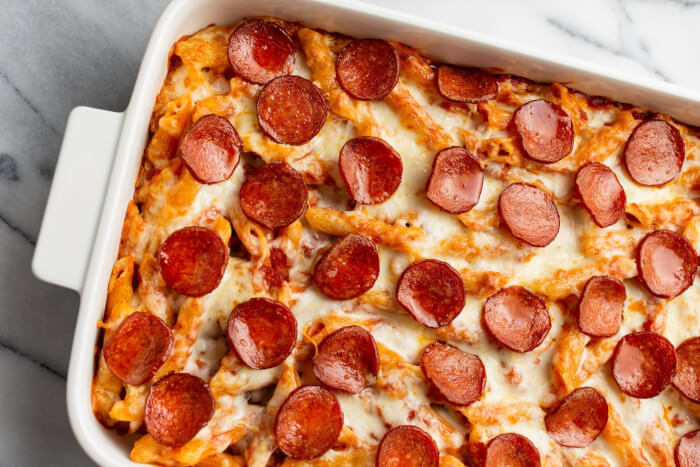
Proper storage and organization are essential to maintaining the quality, safety, and freshness of your frozen healthy meals. Implementing effective strategies ensures that your freezer space is utilized efficiently and that meals remain in optimal condition until ready to be consumed. Well-organized storage also simplifies meal retrieval, saving time and reducing food waste.Organizing your freezer with a clear system helps prevent meals from getting lost or forgotten, while proper labeling guarantees you know exactly what each item is and how long it has been stored.
Maintaining the correct freezer temperature and adhering to recommended storage durations for different meal types further preserves nutritional value and flavor.
Labeling and Dating Frozen Meals
Accurate labeling is crucial for tracking the contents and freshness of your frozen meals. Use waterproof markers or labels to clearly indicate the meal type, preparation date, and, if necessary, reheating instructions. Consistent labeling helps you quickly identify meals, prioritize consumption, and reduce the risk of consuming spoiled food.
Always include the date of freezing on each package, ideally using the format YYYY-MM-DD, to maintain a clear timeline of storage duration and ensure proper rotation of meals.
Maximizing Freezer Space and Meal Stacking
Efficient organization involves strategic stacking and placement of meals within the freezer. Use stackable containers or freezer-safe bags that can be laid flat to maximize space. Group similar meal types together—such as soups, grains, or cooked vegetables—to facilitate easy access and rotation.Implementing a consistent system for stacking, such as placing newer meals behind older ones, promotes first-in, first-out (FIFO) usage.
Consider investing in adjustable shelves or storage bins to keep different meal categories separated and easily accessible, preventing overcrowding and ensuring good airflow for even freezing.
Optimal Freezer Temperature Settings and Storage Duration Guidelines
Maintaining the right freezer temperature is vital for preserving the quality and safety of your meals. The ideal temperature for storing frozen foods is at or below -18°C (0°F), which inhibits bacterial growth and slows enzymatic activities that lead to spoilage.Regularly verify your freezer’s temperature with an appliance thermometer to ensure consistent performance. Proper temperature control extends the freezer’s ability to keep meals safe and nutritious.
| Meal Category | Recommended Storage Duration |
|---|---|
| Cooked Vegetables | 8-12 months |
| Soups and Stews | 2-3 months |
| Grains (quinoa, rice) | 6-8 months |
| Cooked Chicken or Fish | 3-4 months |
| Fruits (pre-cut or pureed) | 8-12 months |
| Protein Patties or Burgers | 3-4 months |
Reheating and serving frozen healthy meals
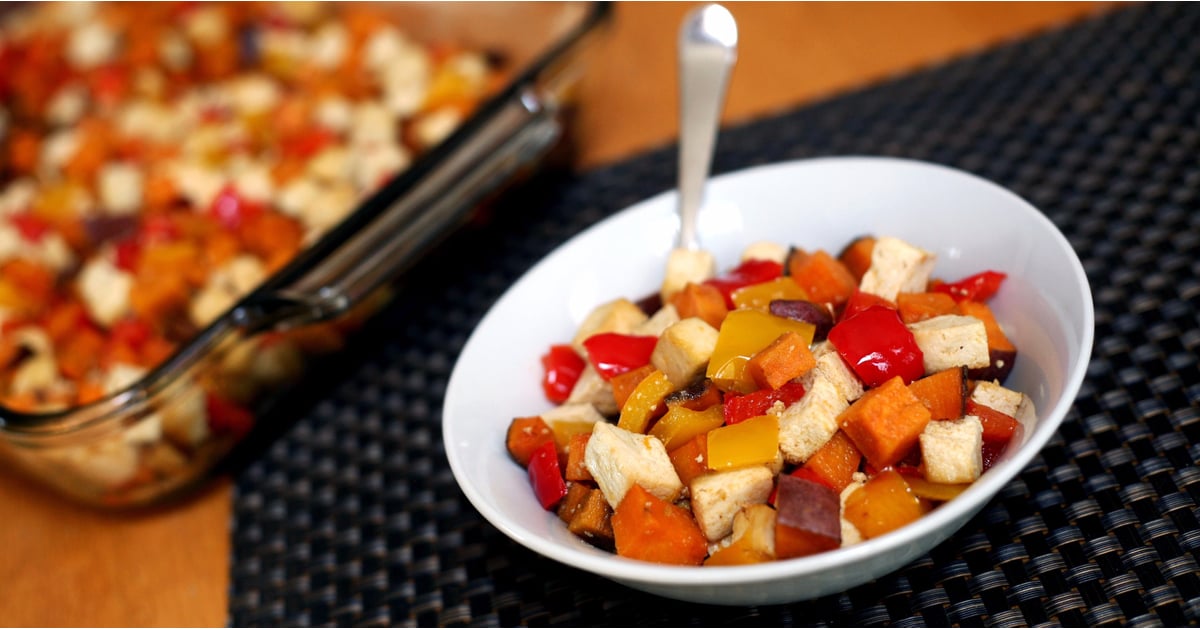
Proper reheating and serving techniques are essential to maintain the nutritional value, flavor, and texture of your healthy meals. When done correctly, reheating can restore meals to their optimal taste and appearance, making your frozen dishes just as satisfying as freshly prepared ones. Ensuring safety and quality during this process not only enhances your dining experience but also preserves the health benefits of your carefully prepared meals.Reheating frozen healthy meals requires attention to temperature control, timing, and method choice.
Precise techniques help retain nutrients, prevent overcooking, and avoid foodborne illnesses. Additionally, thoughtful presentation and seasoning adjustments after reheating can elevate your meal, making it both nutritious and appealing.
Best reheating methods to retain nutrients and flavor
Efficient reheating preserves the integrity of your meals while maximizing flavor and nutritional value. The optimal method often depends on the type of dish, but generally, gentle reheating at appropriate temperatures is preferred.
Microwave Reheating
The quickest method, suitable for most meals. Use a microwave-safe cover or vented lid to retain moisture. Reheat on medium power in short intervals (1-2 minutes), stirring or rotating halfway through to ensure even heat distribution. This method helps preserve vitamins sensitive to heat, such as vitamin C and B vitamins.
Oven Reheating
Ideal for casseroles, baked dishes, and larger portions. Preheat oven to 350°F (175°C). Cover meals with foil to prevent moisture loss and reheat for 20-30 minutes, depending on portion size. This method maintains texture better for hearty dishes.
Stovetop Reheating
Suitable for soups, stews, and stir-fries. Heat over medium-low heat, stirring frequently. Using a double boiler or a heat diffuser can help prevent scorching and nutrient degradation.
Steam Reheating
Excellent for delicate vegetables or dishes requiring minimal nutrient loss. Use a steamer basket over boiling water, and reheat until the internal temperature reaches 165°F (74°C).
Reheating at controlled temperatures and avoiding excessive heat exposure help preserve sensitive nutrients and flavors, ensuring your meals remain healthy and delicious.
Tips for thawing meals safely and efficiently
Safe and efficient thawing prepares your meals for reheating without compromising their safety and quality. Proper thawing prevents bacterial growth and ensures even heating.
Refrigerator Thawing
The safest method, allowing meals to thaw gradually at 40°F (4°C) or below. Plan ahead and transfer frozen meals to the fridge 24-48 hours before reheating.
Cold Water Thawing
Faster than refrigerator thawing. Seal meals in leak-proof plastic bags, submerge in cold water, and change water every 30 minutes. Cook immediately after thawing.
Microwave Thawing
Quickest method; use the microwave’s defrost setting. Be aware that some areas may start to cook during this process. Cook the meal immediately after thawing.
Avoid Room Temperature Thawing
Thawing at room temperature can promote bacterial growth; it is unsafe and should be avoided.
Thaw meals in a controlled manner, prioritizing refrigerator and cold water methods to ensure safety and maintain nutritional quality.
Modifying recipes or seasonings after reheating to enhance taste
Reheated meals may sometimes benefit from flavor adjustments to restore freshness or introduce new dimensions. Small modifications can elevate your dish and tailor it to your taste preferences.
- Add fresh herbs, spices, or a squeeze of citrus to brighten flavors that may have dulled during freezing.
- Incorporate a splash of broth, yogurt, or a drizzle of olive oil to enhance moisture and richness.
- Adjust salt and pepper levels after reheating, as flavors can become muted during freezing.
- For dishes like stews or curries, a quick simmer with additional garlic, ginger, or new vegetables can freshen the dish.
- Consider garnishing with fresh greens, chopped nuts, or seeds for added texture and visual appeal.
Enhancing reheated meals with simple seasoning adjustments can transform leftovers into delicious, satisfying dishes that taste freshly prepared.
Presentation ideas for serving frozen meals to improve appearance
A visually appealing presentation can significantly enhance the dining experience, especially when serving meals that have been frozen and reheated.
- Use clean, attractive plates or bowls that complement the dish. Deep-colored crockery often makes vibrant foods stand out.
- Garnish with fresh herbs, a sprinkle of sesame seeds, or a drizzle of sauce for added color and visual interest.
- Serve components separately when possible, such as placing grains, vegetables, and proteins in distinct sections, to maintain their texture and color.
- Wipe the edges of plates for a clean presentation, avoiding spills or smudges.
- Add a side of fresh greens or colorful vegetables to contrast with the reheated meal, creating a balanced and inviting plate.
Thoughtful presentation not only elevates the appearance of reheated meals but also enhances overall enjoyment and satisfaction.
Do’s and don’ts during reheating to preserve meal quality
Maintaining quality during reheating involves adhering to best practices and avoiding common pitfalls.
- Do: Reheat to an internal temperature of at least 165°F (74°C) to ensure safety and proper reheating.
- Do: Cover meals during reheating to retain moisture and prevent drying out.
- Do: Use appropriate reheating methods suited to the dish type to preserve texture and flavor.
- Don’t: Reheat multiple times; reheating repeatedly can degrade nutrients and increase food safety risks.
- Don’t: Use high heat for long periods, as this can cause nutrient loss and overcooking.
- Don’t: Leave meals at room temperature for extended periods before reheating, to minimize bacterial growth.
- Don’t: Forget to stir or rotate during reheating, especially in microwave, to ensure even heat distribution.
Final Wrap-Up
In conclusion, freezing healthy meals is an excellent strategy to support your dietary goals and streamline your meal planning. By applying proper storage techniques, choosing the right ingredients, and reheating with attention, you can enjoy the convenience of nutritious home-cooked meals anytime. Embrace these practices to make healthy eating simpler, more efficient, and ultimately more enjoyable.