Understanding how to identify hidden sugars is a vital step toward making healthier dietary choices. Many processed foods and beverages contain added sugars that are not immediately apparent, which can impact overall health and wellness. Recognizing these hidden sweeteners allows consumers to better manage their sugar intake and promote a balanced lifestyle.
This guide provides practical insights into reading food labels, spotting common sources of hidden sugars, and employing effective techniques to detect and reduce their presence in daily diets. By gaining awareness and knowledge, individuals can take proactive steps toward healthier eating habits and improved well-being.
Understanding Hidden Sugars
Hidden sugars are often lurking inside foods and beverages where they are not immediately obvious. Many processed products contain added sugars that serve various purposes, such as enhancing flavor, preserving freshness, or improving texture. Recognizing these concealed sugars is essential for making healthier dietary choices and managing sugar intake effectively.
Unlike naturally occurring sugars found inherently within whole foods like fruits, vegetables, and dairy products, added sugars are incorporated during processing or preparation. These added sugars significantly contribute to calorie content without providing essential nutrients, which can lead to health issues such as weight gain, insulin resistance, and increased risk of chronic diseases if consumed excessively.
Common Foods and Drinks with Hidden Sugars
Many processed foods and beverages contain hidden sugars that can easily go unnoticed, especially on labels. Being aware of these items helps in making informed dietary decisions:
- Breakfast cereals: Many cereals, including those marketed as healthy or for children, contain high amounts of added sugars to improve taste and appeal.
- Flavored yogurts: While plain yogurt has natural sugars, flavored varieties often contain added sugars to enhance sweetness, sometimes equivalent to or exceeding desserts.
- Granola bars and snack bars: These frequently contain added sugars for flavor and preservation, despite being marketed as healthy snacks.
- Sauces and condiments: Ketchup, barbecue sauce, and salad dressings often include significant amounts of added sugars to improve flavor and shelf life.
- Commercial baked goods: Cookies, muffins, and pastries often have added sugars and syrups to achieve desirable taste and texture.
- Fruit juices and smoothies: Even 100% fruit juices can contain added sugars for taste enhancement, making them calorie-dense without fiber benefits.
- Energy drinks and sports beverages: These drinks frequently include added sugars to boost energy and flavor, contributing to excessive sugar intake.
Understanding the difference between naturally occurring and added sugars is crucial. Naturally occurring sugars, such as those in fruits and dairy, come with beneficial nutrients like fiber, vitamins, and minerals, which aid in digestion and overall health. Conversely, added sugars are purely for flavor and preservation, often providing empty calories without nutritional benefits.
Note: The World Health Organization recommends that added sugars should constitute less than 10% of total daily energy intake, with further benefits observed if reduced to below 5%. Recognizing hidden sugars is vital to achieving these guidelines and maintaining a balanced diet.
Identifying Hidden Sugars on Food Labels
Placing a focus on how to read and interpret nutrition facts labels is essential in uncovering hidden sugars in food products. Many processed foods contain added sugars that are not immediately obvious, making label literacy a vital skill for making healthier choices. By understanding how to approach these labels, consumers can better manage their sugar intake and avoid inadvertently consuming excessive amounts of added sugars.
Food labels often list sugar content in grams per serving, but the challenge lies in recognizing the variety of terms used to label different types of sugars. Manufacturers may use numerous names for sweeteners, some of which are less obvious. Being familiar with these alternative names allows for more accurate assessment of a product’s sugar content and enables smarter purchasing decisions.
Reading and Interpreting Nutrition Facts Labels
Nutrition facts labels provide crucial information about the amount of sugars present in a serving of food or beverage. To effectively identify hidden sugars, focus on the following aspects:
- Check the total sugars listed in grams, which includes both naturally occurring and added sugars.
- Review the ingredients list for specific sugar names or sweeteners, as these reveal added sugars that may not be reflected in the total sugars figure.
- Pay attention to serving sizes; a large package may contain multiple servings, increasing the total sugar intake if not accounted for.
Key Components to Look for on Food Labels
Understanding the terminology used for sugars is crucial. The table below highlights common names for sugars and other sweeteners found on ingredients lists, helping consumers identify hidden sources of added sugars:
| Term | Description |
|---|---|
| Sucrose | Common table sugar derived from sugar beets or sugarcane, often listed simply as “sugar”. |
| High Fructose Corn Syrup (HFCS) | A liquid sweetener made from corn starch, frequently used in sodas and processed snacks. |
| Maltose | A sugar formed during the malting process or starch breakdown, found in some cereals and baked goods. |
| Dextrose | Another name for glucose, used as a sweetener in many processed foods. |
| Fructose | A naturally occurring sugar in fruits, but also added to processed foods as a sweetener. |
| Agave Nectar | A sweet syrup derived from agave plants, used as an alternative to sugar. |
| Molasses | A thick, dark syrup byproduct of sugar refining, used as a sweetener. |
| Confectioner’s Sugar | Powdered sugar, often used in baking and icing. |
Recognizing Alternative Names for Sugars
Many manufacturers use a variety of terminology to disguise added sugars. Recognizing these alternative names can significantly improve your ability to identify hidden sugars in processed foods. Some common alternative names include:
Glucose, corn syrup, glucose solids, dextrin, dextran, invert sugar, barley malt, rice syrup, maltodextrin, and evaporated cane juice.
For example, a label listing “maltodextrin” may indicate a sweetener derived from starch, which can contribute to the overall sugar content. Similarly, “cane sugar” or “evaporated cane juice” are often used interchangeably with “sugar,” but may appear less obvious at first glance.
Being vigilant and familiar with these terms enables consumers to better assess the true sugar content of products and make more informed choices that align with their health goals.
Common Sources of Hidden Sugars
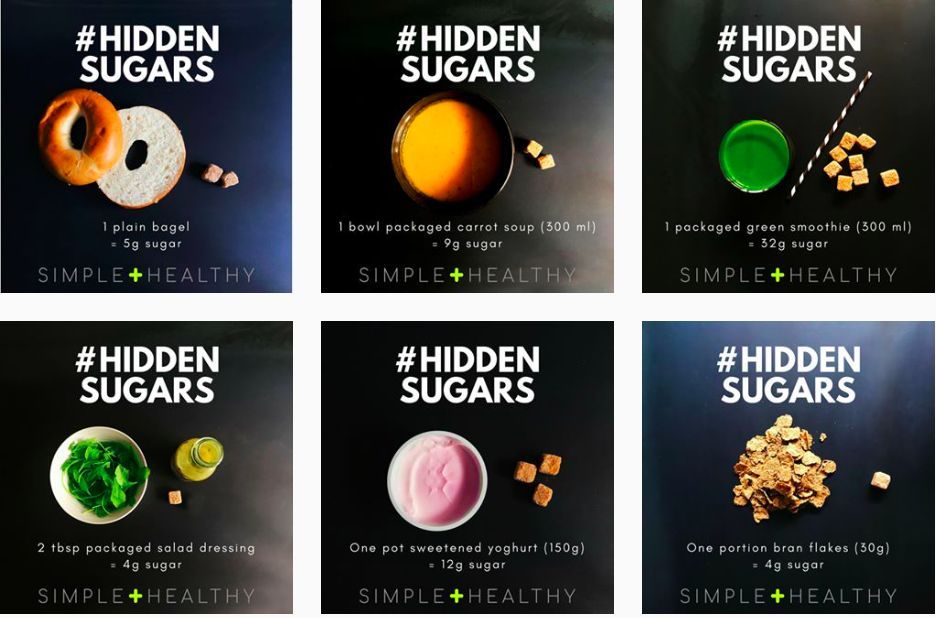
Many processed foods and beverages contain hidden sugars that can significantly contribute to your daily intake without your immediate awareness. Recognizing these sources across various food categories is essential for making informed dietary choices and reducing unnecessary sugar consumption.
Hidden sugars are often added to enhance flavor, preserve shelf life, or improve texture, especially in products that might seem savory or neutral. Being aware of these sources helps in identifying unexpected sugar content and allows for better management of your overall diet.
Cereals and Breakfast Foods
Breakfast cereals and related products are common sources of unexpected sugar. Even products marketed as healthy or whole grain can contain high amounts of added sugars.
- Sweetened breakfast cereals, such as frosted flakes, cinnamon toast crunch, or chocolate-flavored cereals.
- Granola bars and cereal bars that often include added sugars for taste and texture.
- Instant oatmeal packets with flavor enhancements or added fruit preserves.
- Pancake syrups and flavored toppings that are often high in sugar content.
When choosing cereals, always check the nutrition label for sugar content, especially in products that are marketed as healthy or natural.
Sauces, Condiments, and Spreads
This category includes products that are used to flavor and enhance dishes but can contain surprising amounts of sugar.
- Ketchup, which can contain added sugars to balance acidity and enhance sweetness.
- Barbecue sauces and salad dressings that often include sugar for flavor and preservation.
- Sweet and sour sauces commonly used in Asian cuisine.
- Peanut butters with added honey or sugar for extra sweetness.
It’s advisable to read ingredient lists carefully and opt for sugar-free or low-sugar alternatives whenever possible.
Snacks and Packaged Foods
Many snack foods and packaged items are processed with added sugars to improve taste and shelf stability, making them a significant source of hidden sugars in the diet.
- Flavored yogurt and dairy desserts that often contain added sugars or sweeteners.
- Cookies, sweet biscuits, and snack cakes often include high amounts of sugar.
- Fruit snacks and gummies that are heavily processed and sweetened.
- Popcorn varieties with caramel or cheese flavorings that contain added sugars.
Choosing whole, unprocessed snack options can significantly reduce hidden sugar intake and support healthier eating patterns.
Beverages and Drinks
Beverages are notorious for containing high levels of hidden sugars, often in the form of added syrups or sweeteners.
- Sweetened soft drinks and sodas, which are primary sources of added sugars in many diets.
- Fruit juices with added sugars or concentrated fruit drinks that often contain more sugar than whole fruit.
- Flavored coffee and tea beverages, including some bottled iced teas and frappuccinos.
- Sports and energy drinks, which often include high fructose corn syrup or other sweeteners.
Opting for water, unsweetened herbal teas, or homemade fruit-infused waters can help limit added sugar consumption from beverages.
Comparison of Sugar Content in Popular Brands
Below is a comparison table illustrating the sugar content in common products across various brands, highlighting how similar items can vary significantly in their sugar content.
| Product Category | Brand A | Sugar Content (per serving) | Brand B | Sugar Content (per serving) | Brand C | Sugar Content (per serving) |
|---|---|---|---|---|---|---|
| Cereal | Frosted Flakes | 12 g | Cheerios Honey Nut | 9 g | Special K Original | 4 g |
| Yogurt | Yoplait Strawberry | 16 g | Chobani Vanilla | 9 g | FAGE Total Plain | 6 g |
| Ketchup | Heinz Tomato Ketchup | 4 g | Hunt’s Ketchup | 5 g | Annie’s Organic Ketchup | 3 g |
| Soda | Coca-Cola | 39 g | Pepsi | 41 g | 7 Up | 38 g |
| Energy Drink | Red Bull | 27 g | Monster | 54 g | Bang | 0 g (sugar-free) |
These variations emphasize the importance of reading labels carefully and making conscious choices to select products with lower sugar content, aiding in the reduction of hidden sugar intake across your diet.
Techniques to Detect Hidden Sugars
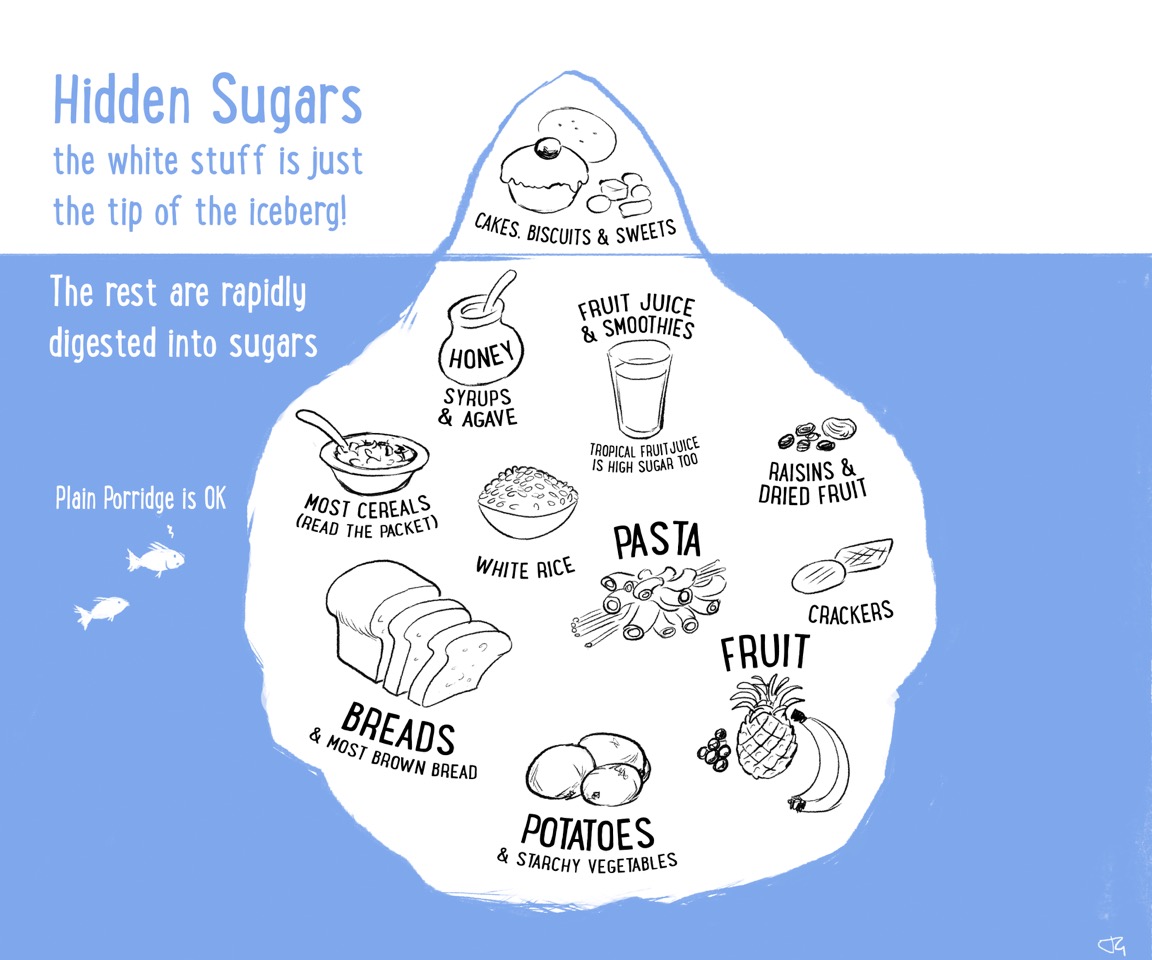
Understanding how to identify hidden sugars in food products is essential for making healthier dietary choices. While ingredient lists and nutrition labels are primary sources of information, employing specific techniques can significantly improve your ability to detect added sugars that may not be immediately obvious. Developing these skills enhances your capacity to scrutinize food labels critically, ensuring you avoid unnecessary sugar intake and choose products aligned with your health goals.Effectively detecting hidden sugars involves a combination of careful label analysis, leveraging reliable online resources, and recognizing less apparent sugar substitutes that manufacturers may use.
These methods empower consumers to navigate food labels confidently and make informed decisions that support overall well-being.
Checking Ingredient Lists for Added Sugars
A systematic examination of ingredient lists is crucial for uncovering hidden sugars. Since ingredient lists are ordered from most to least by weight, ingredients listed towards the end are present in smaller quantities but can still significantly impact sugar content. Some ingredients may not explicitly state “sugar” but can be disguised under different names, indicating added sugars.To accurately identify added sugars, consider the following procedures:
- Read the entire ingredient list attentively, paying close attention to terms that suggest sugar presence, such as:
- Syrup (e.g., corn syrup, maple syrup, agave syrup)
- Sweeteners (e.g., dextrose, maltose, glucose, honey, molasses)
- Crystalline sugars (e.g., sucrose, beet sugar, cane sugar)
- Other derivatives like high-fructose corn syrup or HFCS
- Be aware of alternative names for sugars, including:
“Any ingredient ending with ‘-ose’ or ‘-wort’ is likely a sugar.”
- Compare ingredient lists across similar products to detect discrepancies in sugar content, which can highlight hidden sugars in seemingly healthier options.
Regularly updating your knowledge about various sugar terminologies facilitates more accurate identification, preventing inadvertent consumption of added sugars.
Utilizing Online Resources and Databases to Verify Sugar Content
Online tools and databases serve as valuable complements to label reading, providing detailed nutritional information and ingredient insights. They enable consumers to verify sugar levels and identify hidden sugars efficiently, especially when ingredient lists are ambiguous.Key online resources include:
- USDA FoodData Central: Offers comprehensive nutritional profiles of a wide range of foods and beverages, including detailed sugar content and ingredient information.
- Nutritionix: An extensive database providing nutrition facts, ingredient lists, and user reviews for many commercial food products.
- Open Food Facts: A collaborative database with data contributed by users worldwide, including product ingredients, labels, and nutrient breakdowns.
To utilize these resources effectively:
- Search for the specific product or similar items to compare sugar content and ingredients.
- Review product entries for added sugars, especially when labels are unclear or questionable.
- Use barcode scanning features available on some apps to quickly access detailed information about packaged foods.
Accessing these databases enhances transparency and aids in making more informed food choices, especially when labels are confusing or incomplete.
Detecting Sugar Substitutes That May Not Be Obvious
Manufacturers often use alternative sweeteners to replace sugar, which can sometimes be less recognizable and potentially overlooked during label scrutiny. These substitutes are sometimes employed to label products as “sugar-free” or “no added sugar” while still containing other forms of sweetening agents.Effective methods to identify such substitutes include:
- Being familiar with common artificial and natural sweeteners, including:
- Aspartame
- Saccharin
- Sucralose
- Stevia and rebaudioside A
- Monk fruit extract
- Checking for these ingredients explicitly listed in the ingredient list, often under names like “artificial sweetener,” “sweet flavor,” or specific product brand names.
- Recognizing that sugar alcohols such as sorbitol, maltitol, xylitol, and erythritol are frequently used in sugar-free products and can impact blood sugar levels.
- Understanding that some natural sweeteners like agave syrup or honey may be less processed but still contribute significant sugar content, requiring close examination.
Incorporating knowledge of these substitutes into your label analysis process ensures that you are aware of all sources of sweetness, even those that are intentionally disguised or less obvious. This vigilance helps maintain your dietary goals and supports better health outcomes.
Strategies for Reducing Hidden Sugar Intake
Reducing hidden sugar intake is a vital step towards achieving better health and preventing chronic illnesses such as diabetes, obesity, and heart disease. Many processed foods and beverages contain added sugars that are not immediately obvious, making conscious choices essential. Implementing effective strategies can help you make healthier dietary decisions without sacrificing flavor or satisfaction.Understanding how to replace high-sugar foods with nutritious alternatives, organizing your meals thoughtfully, and selecting whole foods can significantly diminish your hidden sugar consumption.
These approaches not only support overall well-being but also establish sustainable eating habits that can last a lifetime.
Replacing High-Sugar Foods with Healthier Options
Transitioning from sugary processed foods to wholesome, nutrient-dense options requires awareness and planning. Focus on gradually reducing your intake of sweets, desserts, and snacks that contain added sugars, and substitute them with healthier choices. This strategy helps retrain your palate towards appreciating natural flavors and reduces cravings over time.Begin by identifying your most common sources of hidden sugars, such as flavored yogurts, cereals, or sweetened beverages.
Replace these with unsweetened or minimally processed alternatives. For example, swap flavored yogurt for plain Greek yogurt topped with fresh fruit, or choose whole-grain bread over sweetened pastries. Incorporating naturally sweet foods like berries or sliced apples can satisfy sweet cravings without added sugars.
Natural Alternatives and Whole Foods
Incorporating natural, whole foods into your diet is a powerful approach to reduce added sugars. These foods are naturally low in sugar, rich in fiber, vitamins, and minerals, and provide sustained energy without the sugar spikes associated with processed options.Here is a curated list of wholesome alternatives:
- Fresh fruits such as berries, apples, oranges, and pears
- Unsweetened Greek or plant-based yogurts topped with sliced fruits or nuts
- Whole grains like oats, quinoa, and brown rice
- Raw nuts and seeds, which provide healthy fats and protein
- Vegetables served raw, roasted, or steamed, seasoned with herbs and spices
- Legumes including lentils, chickpeas, and black beans, rich in fiber and protein
Consuming these whole foods helps satisfy your taste buds naturally and reduces the temptation to indulge in processed snacks loaded with hidden sugars.
Meal Planning Tips to Minimize Hidden Sugars
A thoughtful meal plan is instrumental in maintaining a low-sugar diet. Strategic planning ensures that you have access to nutritious, low-sugar options, especially during busy days when convenience foods are tempting.Here is a bullet-pointed guide for crafting meals that limit hidden sugars:
- Prepare and cook meals at home using fresh, whole ingredients to control added sugar content.
- Read ingredient labels carefully, avoiding products with high-fructose corn syrup, sucrose, glucose, or maltose.
- Opt for plain versions of foods like cereals, granola, and snack bars, adding fresh fruits or a sprinkle of cinnamon for flavor.
- Use natural sweeteners such as honey, maple syrup, or mashed bananas sparingly, and only in moderation.
- Include a variety of vegetables, lean proteins, and healthy fats to create balanced meals that keep you full and reduce sugar cravings.
- Plan your snacks in advance with nuts, seeds, fresh fruit, or vegetables to avoid reaching for processed, sugary options.
Maintaining a structured approach to meal planning not only minimizes hidden sugars but also promotes overall nutritional balance, supporting long-term health goals.
Educating Others on Hidden Sugars

Sharing knowledge about hidden sugars is an essential step towards fostering healthier choices within families and communities. Many individuals remain unaware of the amount of sugar present in everyday foods and beverages, which can contribute to health issues such as obesity, diabetes, and dental problems. Educating others empowers them to make informed decisions and adopt better dietary habits.
Effective education involves clear communication, using accessible language, and providing practical tools that help others recognize and reduce hidden sugars in their diets. By raising awareness, we can collectively work towards healthier lifestyles and reduce the prevalence of sugar-related health problems.
Strategies for Informing Family and Friends
Engaging family and friends requires a friendly, non-judgmental approach that encourages open dialogue and curiosity about nutrition. Here are key methods to effectively share information about hidden sugars:
- Use Personal Examples and Testimonies: Sharing your own journey of reducing sugar intake can inspire others to consider making similar changes. Personal stories resonate more than abstract facts.
- Provide Practical Resources: Offer brochures, credible websites, or printed materials that explain hidden sugars and their health impacts. Visual aids can simplify complex information.
- Organize Informative Sessions: Host small workshops or casual discussions where you can present facts about hidden sugars, show how to read labels, and answer questions in a friendly manner.
- Share Simple, Actionable Tips: Encourage habits like reading ingredient lists, choosing whole foods, and limiting processed snacks. Practical advice increases the likelihood of adoption.
Designing an Educational Infographic
An engaging infographic can visually communicate the risks associated with excess sugar consumption, making the information more digestible and memorable. Here are key elements to include in such an infographic:
- Title: “The Hidden Sugar Crisis: Know the Risks.”
- Visual Representations of Hidden Sugars: Pie charts or bar graphs showcasing common foods with high sugar content, such as flavored yogurt, cereals, sauces, and beverages.
- Health Risks of Excess Sugar: Use icons and short descriptions to highlight increased risk of obesity, type 2 diabetes, heart disease, and dental decay.
- Simple Tips for Reduction: Include icon-based advice like “Read Labels,” “Choose Whole Foods,” “Limit Sugary Drinks,” and “Opt for Natural Sweeteners.”
- Call to Action: Encourage viewers to become advocates for healthier eating by educating others and making smarter food choices.
Remember, raising awareness is a collective effort. Every conversation about hidden sugars can lead to healthier communities and improved well-being.
Outcome Summary
In conclusion, mastering the skill of identifying hidden sugars empowers you to make more informed and health-conscious choices. By understanding labels, recognizing common sources, and adopting effective detection strategies, you can significantly reduce unnecessary sugar consumption. Implementing these practices not only benefits your health but also encourages those around you to embrace healthier lifestyles, fostering a community of well-informed individuals dedicated to wellness.