Understanding how to identify whole grains is essential for making healthier dietary choices and optimizing nutritional intake. As consumers become increasingly conscious of food quality, knowing what distinguishes whole grains from processed options empowers you to select options that support overall well-being. This guide offers valuable insights into visual cues, label reading techniques, and comparisons that simplify the identification process, ensuring you can confidently incorporate whole grains into your diet.
By exploring the characteristics, common types, and methods to verify whole grain content, readers will gain a comprehensive understanding of how to distinguish these nutritious grains from refined or processed alternatives. From visual inspection to label analysis, each step is designed to help you make informed decisions and enjoy the full health benefits that whole grains provide.
Understanding Whole Grains
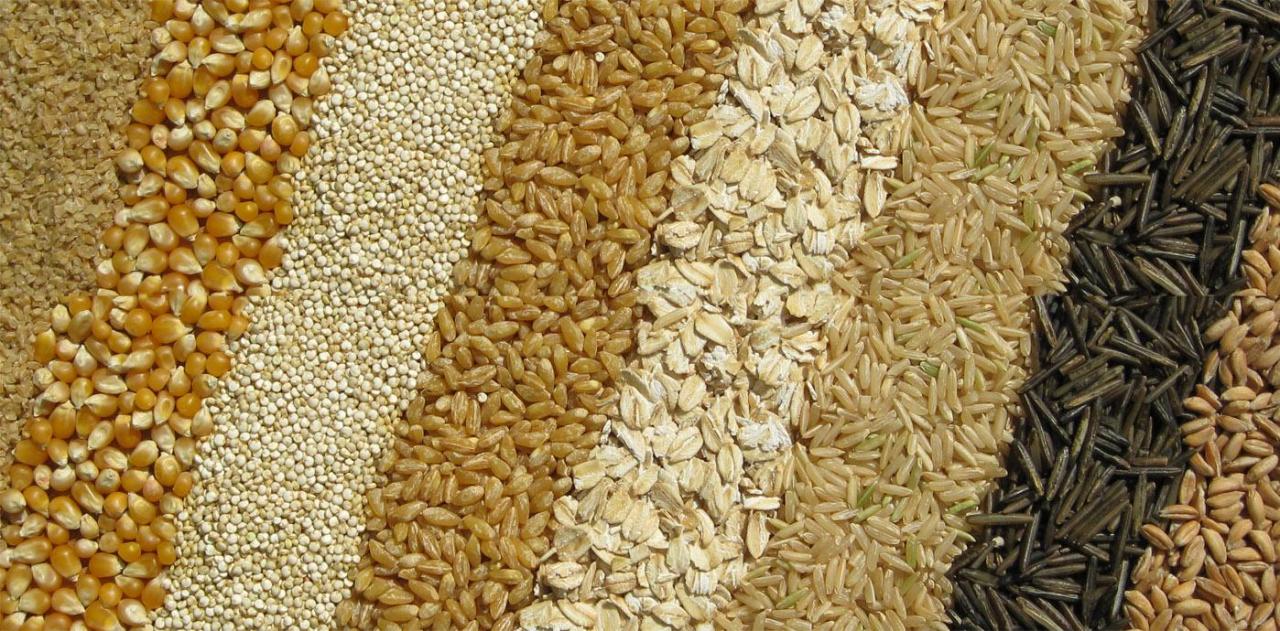
Whole grains are an essential part of a balanced diet, providing vital nutrients that support overall health and well-being. Recognizing the characteristics of whole grains is fundamental for making informed dietary choices. This section explores the definition, key features, and distinctions between whole grains and refined grains, along with a comprehensive comparison of their nutritional profiles.
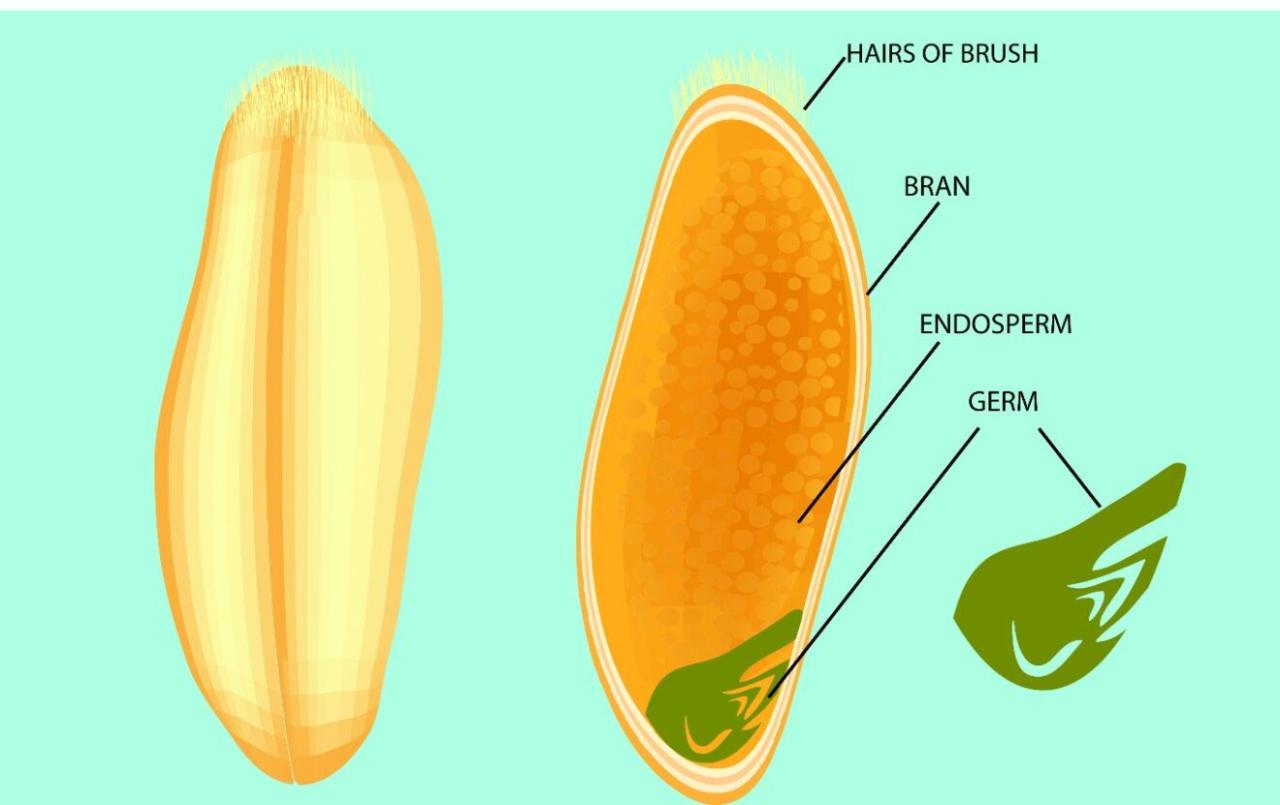
Whole grains are minimally processed grains that retain all three parts of the grain kernel—the bran, germ, and endosperm—ensuring they preserve a rich array of nutrients, fiber, and bioactive compounds. These grains are associated with numerous health benefits, including improved digestion, better weight management, and reduced risk of chronic diseases such as heart disease and type 2 diabetes. Understanding the difference between whole and refined grains is crucial for consumers aiming to optimize their nutritional intake and promote long-term health.
Definition and Characteristics of Whole Grains
Whole grains encompass the entire grain kernel, which includes three main components:
- Bran: The outer layer rich in dietary fiber, antioxidants, B vitamins, and trace minerals.
- Germ: The nutrient-dense core containing healthy fats, vitamin E, B vitamins, and phytochemicals.
- Endosperm: The largest part of the kernel, providing starchy carbohydrates, proteins, and small amounts of vitamins and minerals.
These components work synergistically to provide complex carbohydrates, fiber, vitamins, minerals, and phytochemicals. Whole grains are typically less processed, preserving their natural nutrient composition and offering health advantages over their refined counterparts.
Differences Between Whole Grains and Refined Grains
Understanding the distinction between whole and refined grains involves examining their processing and nutritional content. While both originate from the same cereal crops, their processing methods significantly affect their nutrient profiles and health benefits.
- Processing: Whole grains are processed minimally to retain all parts of the kernel. In contrast, refined grains undergo milling that removes the bran and germ, leaving primarily the starchy endosperm.
- Nutritional Content: Whole grains are rich in dietary fiber, vitamins, minerals, and phytochemicals. Refined grains have reduced nutrient content due to the removal of the bran and germ, often resulting in loss of fiber, B vitamins, and minerals.
- Examples: Whole grains include oats, brown rice, whole wheat, barley, and quinoa. Refined grains include white rice, white bread, and most commercial pastries.
Comparison of Nutritional Components of Whole and Refined Grains
To illustrate the nutritional differences, the following table compares typical values for a common serving size of whole wheat bread and white bread:
| Nutritional Component | Whole Wheat Bread | White Bread |
|---|---|---|
| Calories | 110 kcal | 70 kcal |
| Dietary Fiber | 3.5 g | 0.5 g |
| Protein | 4 g | 2.5 g |
| B Vitamins (Thiamine, Niacin, Riboflavin) | High | Lower (due to removal of germ) |
| Minerals (Iron, Magnesium, Selenium) | Higher | Lower |
| Glycemic Index | Lower | Higher |
Choosing whole grains over refined grains can significantly improve nutrient intake and support healthier metabolic processes.
Common Types of Whole Grains
Understanding the variety of whole grains available is essential for incorporating a diverse and nutritious range of foods into your diet. Each type of whole grain offers unique flavors, textures, and nutritional benefits, making them versatile ingredients in many culinary traditions around the world.
Whole grains are minimally processed grains that retain their bran, germ, and endosperm, providing essential nutrients such as fiber, vitamins, and minerals. Recognizing the different types of whole grains allows for better selection and balanced nutrition, whether preparing breakfast cereals, side dishes, or main courses.
Wheat
Wheat is one of the most widely consumed grains globally, known for its versatility in baking and cooking. It exists in various forms, including whole wheat flour, bulgur, and cracked wheat. The whole wheat kernel has a light brown color, with a rough, slightly chewy texture when cooked. It is commonly used in bread, pasta, and baked goods, providing a hearty flavor and significant dietary fiber.
Oats
Oats are a nutritious cereal grain with a mild, slightly nutty flavor. The whole oat groat includes the bran, germ, and endosperm, which makes it highly nutritious. Rolled oats and steel-cut oats are popular preparations, often used in breakfast foods such as oatmeal or granola bars. Visually, oats appear as flattened flakes or small, chewy pieces with a cream-colored appearance.
Barley
Barley features a chewy texture with a slightly nutty taste, commonly used in soups, stews, and salads. Its hull is usually removed during processing, but the grain remains rich in fiber and nutrients. Whole barley has a plump, oval shape with a light brown or golden color. It adds heartiness and texture to dishes and is valued for its health benefits, including improved digestion.
Quinoa
Quinoa is technically a pseudo-cereal rather than a true grain but is widely classified among whole grains for nutritional purposes. It has tiny, bead-like seeds with a subtle, nutty flavor. When cooked, quinoa develops a fluffy texture with a slight crunch. Its appearance is light beige or white, with some varieties showing reddish or black hues. Quinoa is popular in salads, grain bowls, and as a rice substitute, offering complete protein content.
Millet
Millet consists of small, round grains that are naturally gluten-free and highly nutritious. It has a mild, slightly sweet flavor and a soft, fluffy texture when cooked. The grains can be yellow, white, or greyish in color, and are often used in porridge, pilafs, or baked goods. Millet’s adaptability and nutritional profile make it a staple in many traditional cuisines, particularly in Africa and Asia.
Comparative Nutritional Profile of Common Whole Grains
Below is an organized table summarizing the key nutritional components of these common whole grains to facilitate easy comparison:
| Grain Type | Calories (per 100g) | Protein (g) | Dietary Fiber (g) | Fat (g) | Carbohydrates (g) |
|---|---|---|---|---|---|
| Wheat (whole wheat) | 340 | 13.2 | 12.2 | 2.5 | 72.6 |
| Oats (rolled) | 389 | 16.9 | 10.1 | 6.9 | 66.3 |
| Barley (hulled) | 354 | 12.5 | 17.3 | 2.3 | 73.5 |
| Quinoa (uncooked) | 368 | 14.1 | 2.8 | 6.1 | 64.2 |
| Millet (uncooked) | 378 | 11.0 | 8.5 | 4.2 | 72.8 |
Each grain exhibits distinct visual characteristics and culinary applications. Wheat’s light brown, somewhat rough exterior makes it ideal for bread and baked goods, providing a chewy texture. Oats are soft and flattened, best suited for breakfast and snack foods. Barley’s plump, oval grains lend themselves well to hearty soups and salads. Quinoa’s tiny, bead-like appearance lends a delicate texture to salads and grain bowls, offering a complete protein source.
Millet’s small, round grains are versatile, often used in porridges or as a rice alternative, especially in gluten-free diets.
Visual Identification of Whole Grains
Recognizing whole grains visually is an essential skill for making healthier food choices. By understanding the key visual cues, consumers can easily distinguish between minimally processed whole grains and refined or processed options. This not only aids in selecting nutritious products but also enhances awareness of diet quality and ingredient transparency.
Visual cues serve as quick indicators that help verify whether a grain product retains its natural structure. Packaging labels can sometimes be misleading; therefore, examining the appearance of grains in stores or in their raw form provides an additional layer of confidence in your selections. Familiarity with the typical features of whole grains empowers consumers to make informed decisions aligned with their health goals.
Steps and Visual Cues for Identifying Whole Grains in Packaging and Stores
When shopping for whole grains, observe both the packaging details and the physical appearance of the grains themselves. Follow these steps to accurately identify whole grains:
- Inspect the packaging label for the word “whole” before the grain type, such as “whole wheat,” “whole oats,” or “whole barley.” Look for certification seals or claims that specify “100% whole grain.”
- Examine the ingredient list, ensuring that the first ingredient is a whole grain and that there are no added refined grains or heavily processed fillers.
- In-store, look at the actual grains or products like rice, oats, or popcorn for visual cues that indicate minimal processing.
Key visual cues include the appearance of intact kernels, color consistency, and texture. These features help differentiate whole grains from their processed counterparts, which often appear ground, refined, or mashed.
Key Features to Differentiate Whole Grains from Processed Options
Understanding the visual characteristics of whole grains involves recognizing specific features that indicate minimal processing and preservation of the grain’s natural structure. The following points highlight these features:
- Intact Kernels: Whole grains typically retain their natural form, with kernels that are whole and unbroken. For instance, whole wheat berries appear as whole, uncracked grains, whereas refined wheat flour shows no kernel shape at all.
- Color: Whole grains often have a richer, darker color compared to refined grains. For example, whole brown rice has a deeper hue than polished white rice, and whole oats appear darker than processed instant oats.
- Texture and Surface: Whole grains exhibit a coarse, textured surface with visible germ and bran layers, unlike refined grains which are smooth and uniform due to processing. For example, whole barley has a rougher exterior compared to polished pearl barley.
- Size and Shape: Whole grains maintain their natural size and shape, whereas processed grains may be crushed, ground, or uniform in appearance.
- Presence of Bran and Germ Components: Visible specks or darker flecks on the surface of grains indicate the presence of bran and germ, which are retained in whole grains but removed in processed options.
Visual Guide Table: Kernel Appearance of Whole vs. Processed Grains
| Feature | Whole Grain | Processed Grain |
|---|---|---|
| Kernel Structure | Intact, unbroken, full kernel with visible germ and bran layers | Broken, ground, or milled into flour with no distinct kernel shape |
| Color | Darker, richer hue (e.g., brown rice, whole wheat) | Whiter or more uniform, often lighter (e.g., white rice, refined flour) |
| Surface Texture | Rough, coarse surface with visible layers | Smooth, polished, or powdery surface |
| Size and Shape | Consistent with natural kernel size and shape | Variable or uniform, often crushed or ground |
| Presence of Bran and Germ | Visible specks or darker flecks indicating bran and germ layers | Absent, as these layers are removed during refining |
“Visual cues such as intact kernels, richer color, and textured surfaces are reliable indicators of whole grains, guiding consumers toward healthier food choices.”
Reading Labels for Whole Grain Content
Understanding how to interpret nutrition labels and ingredient lists is essential for accurately identifying products that are genuinely rich in whole grains. Many food items claim to be whole grain or multi-grain, but without careful label reading, these claims can be misleading. Learning to recognize the true whole grain content helps consumers make healthier and more informed dietary choices.
Labels can contain a wealth of information, but only if you know what to look for. This section guides you through the process of analyzing labels effectively, highlighting common terms, and uncovering potential misleading claims. By mastering these skills, you can confidently select products that meet your nutritional goals and avoid products that only superficially appear healthy.
Interpreting Nutrition Labels and Ingredient Lists
Nutrition labels provide details on the nutrient composition of a product per serving. When checking for whole grains, focus on the ingredients list, which reveals the types of grains used and their order of predominance. The first few ingredients are present in the largest quantities, so if whole grains are listed toward the end, the product may not be a significant source of whole grains.
Terms like “whole wheat,” “whole oats,” and “brown rice” clearly indicate whole grain ingredients. Conversely, vague or misleading terms can obscure the actual grain content. Carefully examining these labels ensures that the food you choose aligns with your health objectives, especially when seeking to increase whole grain intake.
Sample Label Analysis and Common Terms
Consider a typical bread product label:
Ingredients: Whole wheat flour, water, yeast, salt, sugar, enriched flour.
In this example, “whole wheat flour” is explicitly listed as the primary ingredient, indicating the product is made predominantly from whole grains. If the label instead read “wheat flour” without the “whole” designation, it would refer to refined flour, which lacks the bran and germ components of the grain.
Terms like “multi-grain” or “grain blend” often suggest a mixture of grains but do not confirm that the grains are whole. To verify, look for specific mention of “whole” in the ingredient list. If the label states “made with whole grains” but lists “enriched flour” or “refined flour” first, the product may not be a good source of whole grains despite the claim.
Label Reading Tips and Misleading Terms
| Tip | Explanation |
|---|---|
| Check the first ingredients | Ensure whole grains are listed among the first ingredients, indicating a high content in the product. |
| Look for “100% whole grain” | This label confirms that all the grain content is whole grain, with no refined grains included. |
| Identify misleading terms | Terms like “multi-grain,” “grain blend,” or “made with whole grains” can be deceptive unless “whole” is specified in the ingredient list. |
| Beware of added sugars and refined flours | Refined grains often appear as “enriched flour” or “white flour,” and excessive sugars can mask the healthfulness of the product. |
| Look for fiber content | Higher fiber levels often correlate with higher whole grain content. Check the nutrition facts panel for dietary fiber per serving. |
| Common Misleading Terms | What to Watch For |
| “Multi-grain” | Indicates multiple grains but not necessarily whole grains; may contain refined grains. |
| “Made with whole grains” | Often means only a small amount of whole grains is present, or they are not the primary ingredient. |
| “Whole grain” in marketing without clarification | Could be a marketing term; always verify the ingredient list for “whole” specifications. |
| “Grain” or “Grain Blend” | Unclear whether grains are whole or refined; review ingredients for specifics. |
Methods to Test Grain Freshness and Quality
Ensuring the freshness and quality of grains before purchase is essential for maintaining their nutritional value, flavor, and safety. Proper assessment helps prevent the purchase of stale or contaminated grains, which can impact both health and culinary outcomes. Implementing simple, effective testing procedures enables consumers and vendors alike to evaluate grain integrity reliably.Assessing grain quality involves examining visual cues, sensory indicators, and physical characteristics.
Consistent use of these methods can help identify grains that are still in optimal condition and avoid those that might have deteriorated or become compromised during storage or transit.
Visual and Sensory Checks for Grain Quality
To evaluate the freshness and quality of grains effectively, several straightforward tests can be performed. These assessments focus on sensory perception—smell, appearance, and texture—which are reliable indicators of grain conditions.
- Smell Test: Fresh grains should have a neutral, nutty, or slightly sweet aroma. A sour, rancid, or musty smell indicates spoilage, mold, or oxidation. Rancidity is common in oils within grains that have gone stale and can affect flavor and nutritional quality.
- Appearance Inspection: Examine the grains for uniform size, shape, and color. Discoloration, discoloration spots, or presence of foreign particles (such as stones or husks) suggest contamination or deterioration. Grains should be free from mold or visible moisture, which can promote spoilage.
- Texture Check: Gently press the grains between fingers; they should feel firm and dry. Soft, damp, or sticky grains may indicate exposure to moisture or fungal growth. Additionally, grains that are crumbly or brittle may be overly aged or damaged.
Best Practices for Storing Grains to Preserve Quality
Proper storage plays a crucial role in maintaining grain freshness and nutritional integrity over time. Grains are susceptible to moisture, pests, and environmental factors, all of which can compromise their quality if not managed correctly.
- Store grains in airtight, moisture-proof containers such as glass jars, plastic bins with tight-fitting lids, or metal drums to prevent exposure to humidity and pests.
- Keep grains in a cool, dry, and dark environment, ideally below 60°F (15°C), to slow oxidation and microbial growth.
- Regularly inspect stored grains for signs of infestation, mold, or spoilage. Using silica gel packets or food-grade desiccants can help absorb excess moisture.
- For long-term storage, consider freezing grains for at least 48 hours periodically to kill any potential insect eggs or larvae.
- Label storage containers with purchase or harvest dates to monitor freshness and rotate stock accordingly, using older grains first to minimize waste.
These practices and assessments contribute significantly to maintaining high-quality grains that retain their nutritional value and safety for consumption.
Comparing Whole Grains with Processed Grain Products
Understanding the differences between whole grains and processed grain products is essential for making informed dietary choices. While both originate from the same plant sources, their nutritional profiles, processing levels, and uses can vary significantly. Recognizing these distinctions helps consumers prioritize health benefits and select products that align with their nutritional goals.
Processed grain products undergo various degrees of refinement, often stripping away valuable nutrients found in the whole grain. Conversely, whole grains retain their natural components, providing a richer array of dietary fiber, vitamins, and minerals. This comparison highlights the critical aspects of each, aiding consumers in understanding their options.
Differences Between Whole Grains and Processed Grain Products
Processed grain products are typically produced through refining procedures that remove the bran and germ layers, leaving mainly the starchy endosperm. This process results in products that often have a smoother texture and longer shelf life but at the expense of nutritional value. Examples include white bread, white rice, and most breakfast cereals that are made from refined flour or milled grains.
In contrast, whole grains maintain all three parts of the grain — the bran, germ, and endosperm — ensuring that the final product retains a comprehensive profile of nutrients. These grains are less processed and often have a denser texture, nuttier flavor, and higher fiber content. Common examples include brown rice, whole wheat bread, oats, barley, and quinoa.
Comparison Chart of Whole Grains and Processed Grain Products
| Feature | Whole Grains | Processed Grain Products |
|---|---|---|
| Processing Level | Minimal; grains are intact with all parts preserved | Extensive; removal of bran and germ during refining |
| Nutritional Content | High in dietary fiber, vitamins (B-complex, E), minerals (iron, magnesium), and phytochemicals | Lower in fiber, vitamins, and minerals due to refining; often enriched artificially |
| Health Benefits | Supports digestive health, helps regulate blood sugar, reduces risk of chronic diseases like heart disease and diabetes | Less beneficial; high glycemic index, may contribute to weight gain and chronic health issues |
| Usage Scenarios | Preferred for daily nutritious diets, breakfast cereals, whole grain bread, salads, and side dishes | Commonly used in baked goods, snack foods, refined white rice, and instant meals |
| Shelf Life | Shorter; due to the presence of oils in the germ that can go rancid | Longer; refined grains are more stable and less prone to spoilage |
Choosing whole grains over processed products provides superior health benefits due to their nutrient density and fiber content, which are vital for maintaining overall health. While processed grain products may offer convenience and longer shelf life, they often lack the comprehensive nutritional profile present in unrefined whole grains. Incorporating a variety of whole grains into daily meals can contribute significantly to a balanced and healthful diet.
Common Myths and Misconceptions about Whole Grains
Understanding whole grains involves more than just recognizing their health benefits; it also requires dispelling common myths that can lead to confusion or misinformed choices. Many misconceptions about whole grains persist in popular culture, often stemming from outdated information or marketing claims. Clarifying these misconceptions helps consumers make better dietary decisions and ensures they get the full nutritional advantages that whole grains offer.It is important to approach these myths with evidence-based knowledge, as misconceptions can sometimes hinder individuals from incorporating wholesome grains into their diet or lead to unnecessary concerns about their health benefits.
By addressing these misunderstandings, we promote a more accurate understanding of whole grains and support healthier eating habits.
Myth vs. Fact: Clarifying Common Misconceptions
This section presents a clear comparison of prevalent myths and factual information about whole grains. Accurate knowledge dispels confusion and encourages informed dietary choices.
| Myth | Fact |
|---|---|
| All grains labeled as “whole grain” are completely unprocessed and natural. | Many products marketed as “whole grain” can contain processed ingredients or additives. Reading ingredient lists ensures that the product genuinely contains whole grains without unnecessary additives. |
| Whole grains are not suitable for people with gluten sensitivities or celiac disease. | Most whole grains, such as wheat, barley, and rye, contain gluten. However, there are gluten-free whole grains like quinoa, millet, and buckwheat for individuals with gluten sensitivities. |
| Eating whole grains can cause weight gain due to their carbohydrate content. | Whole grains are a source of complex carbohydrates that provide sustained energy and can support weight management when consumed as part of a balanced diet. Portion control and overall dietary habits are key factors. |
| Refined grains are just as nutritious as whole grains. | Refined grains lose significant fiber, vitamins, and minerals during processing, making whole grains a healthier choice due to their preserved nutrient profile. |
| Whole grains are difficult to digest and should be avoided by individuals with digestive issues. | Many people find whole grains beneficial for digestion because of their high fiber content, which aids in regular bowel movements. However, individuals with specific digestive conditions should consult healthcare professionals for personalized advice. |
Note: Always verify claims about grains and products through reputable sources and by checking ingredient lists to ensure authenticity of whole grain content.
Final Conclusion
Mastering the art of identifying whole grains is a significant step toward healthier eating habits and improved nutrition. Equipped with practical knowledge on visual cues, labeling tips, and quality assessment methods, you can confidently choose wholesome options that support your well-being. Embracing whole grains not only enhances your diet but also contributes to a more balanced and nourishing lifestyle.