Learning how to meal prep for the week offers a practical and efficient way to maintain a healthy lifestyle while saving valuable time. By planning and preparing your meals in advance, you can streamline your daily routine, reduce stress associated with daily cooking, and ensure balanced nutrition throughout the week. This approach not only promotes better dietary choices but also enhances overall productivity and meal consistency.
This guide provides a comprehensive overview of effective meal planning, shopping strategies, preparation techniques, cooking methods, and storage tips, empowering you to create a personalized and sustainable weekly meal routine with confidence and ease.
Introduction to Meal Prepping for the Week
Meal prepping for the week is an effective strategy that allows individuals to organize and prepare their meals in advance, typically on a designated day. This approach promotes a structured and intentional approach to eating, ensuring that nutritious options are readily available and reducing the temptation of unhealthy choices during busy days. Efficient meal prep can significantly streamline daily routines, saving valuable time and mental energy while supporting long-term health goals.
Adopting a meal prep routine offers numerous benefits, including improved time management, consistent healthy eating habits, and reduced food waste. By planning ahead, individuals can optimize their grocery shopping, minimize spontaneous fast-food trips, and maintain better control over portion sizes and nutritional intake. This proactive approach not only enhances overall well-being but also fosters a sustainable, disciplined lifestyle that aligns with personal health objectives.
Step-by-Step Overview of the Meal Planning Process
Effective meal planning involves a systematic process that begins with assessing dietary needs and preferences, followed by strategic selection of recipes and ingredients. This structured approach ensures that each step contributes to a cohesive and manageable weekly meal plan.
-
Assess Nutritional and Personal Preferences
Understanding dietary requirements, such as calorie intake, macronutrient distribution, and specific health goals, forms the foundation of a tailored meal plan. Incorporate personal taste preferences to ensure the meals are enjoyable, increasing the likelihood of adherence.
-
Plan a Weekly Menu
Design a balanced menu that includes a variety of proteins, vegetables, grains, and healthy fats. Rotate recipes to prevent boredom and accommodate different preparation methods. A written menu provides clarity and direction for grocery shopping and meal assembly.
-
Create a Shopping List
Based on the menu, compile a comprehensive shopping list that covers all necessary ingredients, accounting for portion sizes and storage needs. Organizing the list by sections of the grocery store can expedite shopping and reduce impulse purchases.
-
Set Up Meal Prep Sessions
Allocate specific blocks of time for cooking and portioning meals. Use appropriate containers to store individual servings, ensuring convenience and freshness. Labeling containers with dates helps monitor freshness and consumption schedules.
-
Execute and Store
Cook meals efficiently, utilizing batch cooking techniques when possible. Store meals in airtight containers, and keep them refrigerated or frozen according to their shelf life. Establishing a routine for reheating and consuming prepped meals ensures consistency and reduces waste.
Common Challenges and Strategies to Overcome Them
While meal prepping offers considerable advantages, several obstacles may arise, such as time constraints, ingredient spoilage, or menu fatigue. Addressing these challenges proactively enhances the sustainability and enjoyment of meal prep routines.
- Time Management: Planning meals that can be prepared quickly or in bulk minimizes the time investment. Utilizing versatile ingredients and simple recipes can streamline the process.
- Ingredient Freshness: Proper storage techniques, such as using airtight containers and the correct refrigeration temperatures, preserve food quality and reduce waste.
- Menu Fatigue: Rotating recipes weekly or bi-weekly maintains variety and interest. Incorporating seasonal ingredients can also add freshness and diversity to your meals.
- Consistency and Motivation: Setting realistic goals and establishing a routine helps maintain motivation. Keeping a meal prep journal or tracking progress can reinforce commitment.
Effective meal prepping balances planning, execution, and adaptability—embracing flexibility ensures this approach remains sustainable and enjoyable over time.
Planning Your Weekly Meals
Effective meal planning is fundamental to successful meal prepping, ensuring that your nutritional needs are met while maintaining convenience and variety throughout the week. Developing a structured plan helps streamline grocery shopping, minimizes food waste, and promotes healthier eating habits by allowing thoughtful selection of balanced recipes for each meal.
By carefully organizing your weekly meals, you create a roadmap that simplifies daily decisions, saves time, and supports your overall health goals. This step involves selecting appropriate recipes, scheduling meals systematically, and preparing a comprehensive shopping list aligned with your plan.
Creating a Sample Weekly Meal Plan Structure
Constructing a clear and organized meal plan involves outlining each day with designated meal types and corresponding recipes. Using a table format provides an accessible overview that can be easily adjusted as needed.
| Day | Meal Type | Recipe | Preparation Notes |
|---|---|---|---|
| Monday | Breakfast | Oatmeal with Fresh Berries | Prepare overnight; store in individual containers |
| Monday | Lunch | Grilled Chicken Salad | Cook chicken in advance; assemble salads daily |
| Monday | Dinner | Baked Salmon with Roasted Vegetables | Pre-portion servings for easy reheating |
| Monday | Snacks | Mixed Nuts and Fruit | Portion into small containers for grab-and-go convenience |
| Tuesday | Breakfast | Greek Yogurt with Honey and Granola | Prepare individual servings ahead |
This table serves as a practical template that can be customized based on personal preferences and dietary requirements. Each row corresponds to specific meal components, enabling seamless coordination of shopping, preparation, and storage efforts.
Selecting Balanced Recipes for Each Meal
Choosing nutritious, well-balanced recipes ensures that your meals provide essential nutrients, promote satiety, and support overall health. Incorporating a variety of food groups prevents dietary monotony and covers all nutritional bases.
Consider the following methods when selecting recipes:
- Ensure each meal includes a source of lean protein, such as poultry, fish, beans, or tofu, to support muscle repair and satiety.
- Integrate complex carbohydrates like whole grains, sweet potatoes, or legumes for sustained energy release.
- Include a generous portion of vegetables and fruits to supply vital vitamins, minerals, and fiber.
- Incorporate healthy fats from sources like avocados, nuts, seeds, and olive oil to support cardiovascular health.
- Balance flavors and textures to keep meals appealing and prevent dietary fatigue, encouraging consistent adherence.
For example, a breakfast featuring eggs with spinach and whole-grain toast offers protein, fiber, and micronutrients. A lunch of quinoa, chickpeas, and roasted vegetables delivers plant-based protein and complex carbs, while a dinner of baked salmon, brown rice, and steamed broccoli combines omega-3 fatty acids with fiber-rich grains.
Balancing macronutrients and including a variety of colorful produce enhances both the nutritional quality and the enjoyment of your meals.
Organizing Shopping Lists Based on Meal Plans
An efficient shopping list is crucial to streamline the procurement process, reduce food waste, and ensure you have all necessary ingredients for the planned meals. Categorizing items based on store sections simplifies the shopping experience and saves time.
Start by reviewing your meal plan to identify all ingredients required for each recipe. Group these ingredients into categories such as produce, proteins, grains, dairy, pantry staples, and frozen items.
- Produce: Fresh vegetables (spinach, bell peppers, carrots), fruits (berries, apples, bananas)
- Proteins: Chicken breasts, salmon fillets, Greek yogurt, canned chickpeas
- Grains and Legumes: Quinoa, oats, brown rice, granola
- Dairy and Alternatives: Milk, cheese, yogurt
- Pantry Staples: Olive oil, honey, nuts, spices, herbs
- Frozen Items: Mixed vegetables, berries for smoothies
Maintaining a categorized list not only expedites shopping but also helps prevent forgetting ingredients, especially when dealing with multiple recipes. Additionally, it allows for quick adjustments, such as substituting ingredients or increasing quantities based on your specific needs or preferences.
Grocery Shopping Strategies
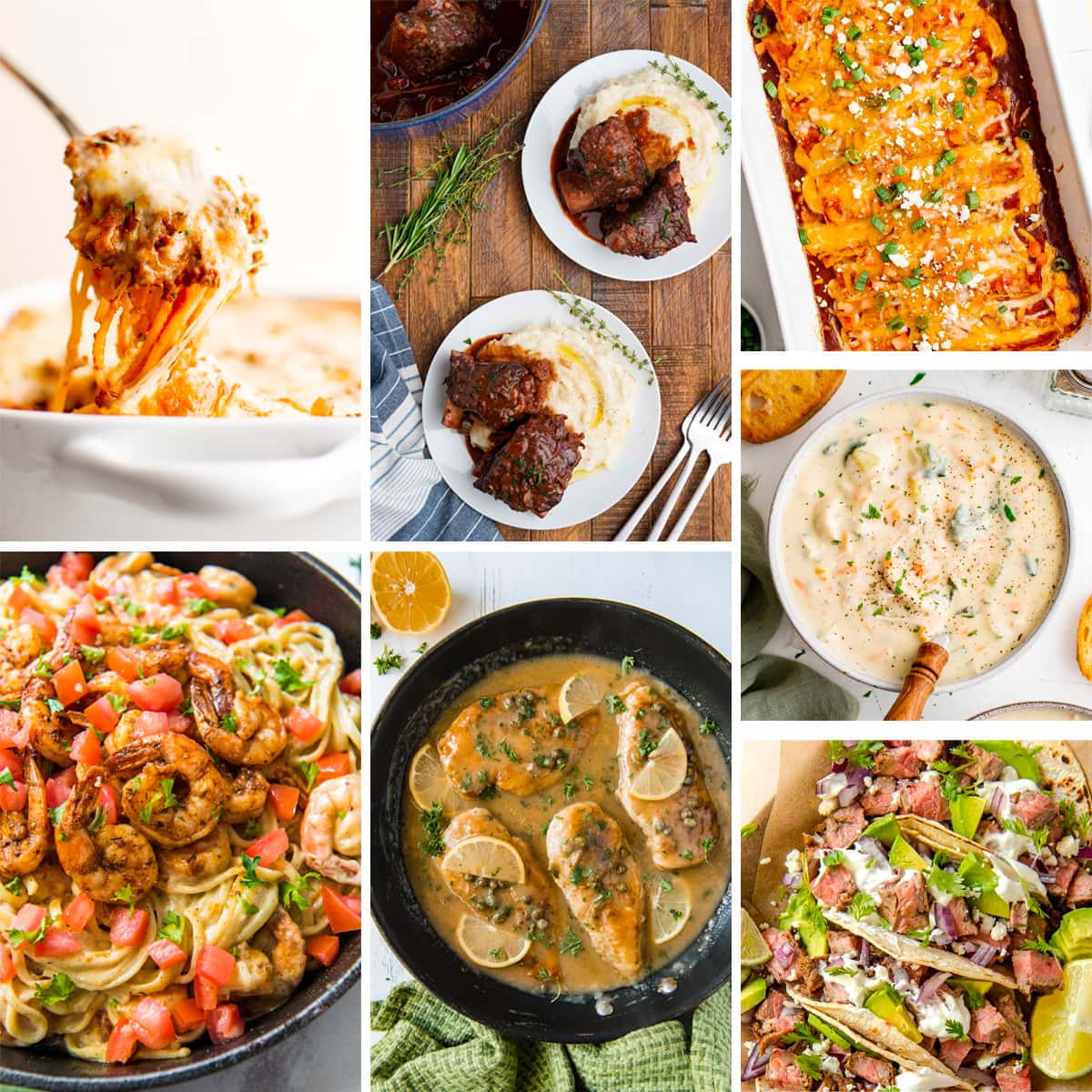
Effective grocery shopping is a cornerstone of successful meal prepping. It ensures you acquire all necessary ingredients efficiently, minimizes waste, and helps maintain a budget. Implementing strategic shopping techniques can transform routine grocery trips into productive, cost-effective activities that support your weekly meal plan.Careful planning and organization during shopping not only save time but also reduce impulsive purchases that can derail your meal prep efforts.
By understanding the best practices for sourcing ingredients and selecting shopping options, you can streamline the process and ensure the freshness and quality of your supplies.
Organizing Your Shopping List and Bulk Buying
Organizing your shopping list meticulously is crucial for an efficient shopping experience. Begin by categorizing ingredients based on store sections—produce, dairy, grains, proteins, and pantry staples. This approach prevents backtracking within the store, saving you time and reducing frustration. Utilizing digital apps or printed lists sorted by store layout enhances this process, especially when shopping at large supermarkets or wholesale stores.Bulk buying is an effective strategy to ensure you always have essential ingredients on hand while also reducing overall costs.
Purchasing staples such as rice, oats, canned beans, or frozen vegetables in larger quantities often results in significant savings per unit. Additionally, it minimizes trips to the store, allowing you to focus more on meal preparation rather than frequent shopping.
Essential Staples and Versatile Ingredients for Meal Prep
Building a well-stocked pantry with versatile ingredients simplifies the meal prepping process, enabling you to create a variety of nutritious meals from a limited set of staples. Essential staples include grains like rice and quinoa, proteins such as chicken breasts, eggs, and canned fish, and a selection of vegetables—both fresh and frozen. Incorporating healthy fats like olive oil, nuts, and seeds further enhances meal diversity.Focusing on ingredients that can be used across multiple recipes reduces the need for excess shopping and storage.
For example, cooked grains can serve as a base for salads, bowls, or stir-fries, while canned beans enrich soups and wraps. Herbs and spices add flavor variations without requiring additional purchases, making your meal prep both economical and flavorful.
Comparison of Shopping Options: In-Store vs. Online
Understanding the differences between shopping in-store and online can help you choose the most suitable method based on your preferences, schedule, and budget. The table below compares key aspects of each option:
| Aspect | In-Store Shopping | Online Shopping |
|---|---|---|
| Cost | Generally includes in-store discounts, but potential for impulse buys increases total expense | Potential for delivery fees; prices may be slightly higher, but discounts and deals are often available online |
| Convenience | Requires travel and physical effort; suitable for immediate needs or fresh produce selection | Highly convenient; shop from anywhere and schedule delivery or pickup, saving time and effort |
| Quality | Ability to inspect produce and products firsthand; immediate freshness | Depends on the retailer’s quality control; reviews and ratings help assess product quality before purchase |
In choosing between in-store and online shopping, consider your priorities—whether it’s budget control, time management, or product quality—to optimize your meal prep routine effectively.
Cooking Methods for Efficient Meal Prep
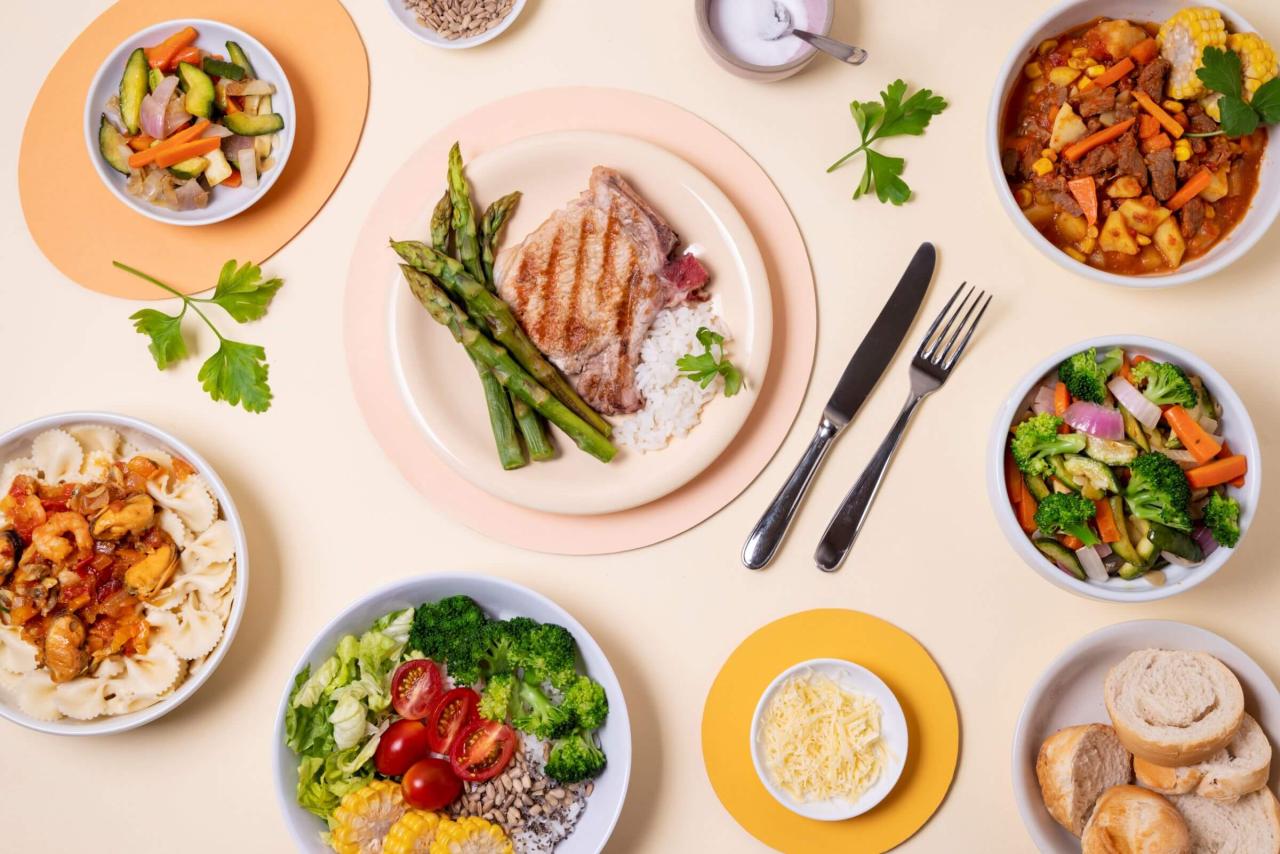
Preparing meals for the week requires not only planning but also selecting the right cooking techniques to maximize efficiency and preserve food quality. Employing diverse cooking methods can streamline your meal prep process, reduce cooking time, and enhance the flavors and textures of your dishes. Understanding how to utilize roasting, steaming, grilling, and sautéing effectively allows for better organization in the kitchen, ultimately saving time and reducing stress during busy weekdays.Efficient meal prep involves multitasking and leveraging different cooking techniques simultaneously.
For instance, while vegetables are steaming, proteins like chicken or fish can be grilling, and grains such as rice or quinoa can be simmering on the stove. Such strategic use of your kitchen appliances and cooktop burners ensures that multiple components of your meals are ready at approximately the same time, minimizing idle periods and overlaps. Proper organization, including prepping ingredients in advance and setting timers, further enhances workflow and ensures that all components are cooked to perfection without unnecessary delays.
Roasting
Roasting involves cooking food in an oven at high temperatures, typically between 375°F to 450°F (190°C to 232°C). This method is excellent for proteins such as chicken breasts, beef cuts, and fish, as well as vegetables like sweet potatoes, carrots, and Brussels sprouts. The dry heat promotes caramelization, resulting in rich flavors and tender textures. Roasting is particularly advantageous for preparing large batches of vegetables and meats, which can be easily portioned and stored for the week.
- Pros: Enhances flavor through caramelization, requires minimal supervision, and allows for batch cooking.
- Cons: Longer cooking times for certain foods, potential for uneven cooking if not monitored, and possible nutrient loss due to high heat.
- Ideal foods: Root vegetables, poultry, beef, fish, and hearty vegetables like squash and peppers.
Steaming
Steaming is a gentle cooking method that uses vaporized water to cook food efficiently while preserving nutrients, color, and texture. This technique is especially suitable for vegetables, seafood, and dumplings. Due to its low-fat nature, steaming is a healthy option for meal prepping, allowing you to maintain the natural flavors and vitamins of your ingredients. It also requires minimal cleanup, as it involves no oil or heavy sauces.
Organizing your steaming process during meal prep can be achieved by setting up a steaming basket over boiling water, preparing multiple batches of vegetables or seafood sequentially. For larger quantities, electric steamers or multi-tiered steaming trays can facilitate simultaneous cooking of different foods, saving time and ensuring everything is ready together.
Grilling
Grilling provides a distinctive smoky flavor and appealing grill marks, making it ideal for meats, vegetables, and even fruits. Whether using an outdoor grill or an indoor electric grill, this method is quick and imparts a unique taste profile to your dishes. Grilling is particularly efficient for batch cooking proteins like chicken thighs, burgers, and steaks, which can be cooked in advance, sliced, and stored for later use.
During meal prep, multitasking involves preheating the grill while preparing marinades and trimming ingredients. Grilled items can be refrigerated or frozen, then reheated with minimal loss of quality. Using a grill mat or foil can prevent sticking and facilitate easier cleanup, streamlining the process further.
Sautéing
Sautéing involves cooking food quickly in a small amount of oil or fat over medium-high heat. This method is ideal for preparing vegetables, shrimp, or thin cuts of meat. Sautéing allows for rapid cooking with constant stirring, which helps develop flavor and texture while preventing burning.
For efficient meal prep, prepping ingredients in advance and cooking them in batches during the same session maximizes time savings. For example, sautéing vegetables in one pan while boiling grains in another enables simultaneous preparation of multiple components. Using non-stick pans can reduce oil usage and facilitate quick cleaning afterward.
Comparative Table of Cooking Methods
| Cooking Method | Pros | Cons | Ideal Foods |
|---|---|---|---|
| Roasting | Enhances flavor, easy batch cooking, requires minimal supervision | Longer cooking time, potential unevenness, nutrient loss at high temps | Root vegetables, poultry, beef, hearty vegetables |
| Steaming | Preserves nutrients, healthy, minimal cleanup | Limited flavor development, slower for large quantities | Vegetables, seafood, dumplings |
| Grilling | Distinct smoky flavor, quick, great for batch cooking | Requires prep and attention, possible flare-ups | Meats, vegetables, fruits |
| Sautéing | Fast, enhances flavor, easy to control | Requires constant attention, limited to smaller portions | Vegetables, seafood, thin meats |
Choosing the appropriate cooking method depends on the ingredients, desired flavor, and available kitchen equipment. Combining these techniques effectively can streamline your meal prep process, ensuring nutritious and delicious meals throughout the week with optimal use of your time and resources.
Storage and reheating tips
Proper storage and reheating of prepped meals are essential components of effective meal prepping. Correct techniques help preserve the flavor, texture, and nutritional value of your meals while ensuring safety and convenience throughout the week. Whether you’re packing individual lunches or batch cooking for multiple days, understanding how to store and reheat food properly can significantly enhance your meal prep experience.Effective storage involves selecting the right containers, organizing your meals efficiently, and labeling them clearly to facilitate easy access and identification.
Reheating methods should prioritize food safety and aim to maintain the original quality of your dishes without overcooking or drying them out. By adhering to these practices, you can enjoy fresh-tasting, nutritious meals each day without unnecessary waste or compromise.
Proper storage containers and labeling for meal organization
Choosing appropriate storage containers is fundamental for keeping your prepped meals fresh and preventing spoilage. Opt for containers made from BPA-free plastic, glass, or stainless steel, which are durable, non-reactive, and safe for both refrigeration and microwave use. Containers with tight-fitting lids help prevent leaks and protect food from absorbing fridge odors.To organize your meals effectively, consider dividing portions into individual containers, making it easier to grab and go.
Use clear containers whenever possible to quickly identify contents without opening them. Additionally, employing labels with the date of preparation and meal description ensures that you consume the oldest meals first and maintains an organized fridge or freezer.
Label every container with the date of preparation and meal details to optimize freshness and safety.
Reheating techniques to maintain food quality and safety
Reheating prepped meals requires careful attention to temperature and method to preserve texture, flavor, and nutritional value while ensuring food safety. The microwave is a convenient option, but it should be used with microwave-safe covers or lids to prevent splatters and promote even heating. Stir or rotate food midway through reheating to avoid cold spots where bacteria can survive.For more uniform reheating, especially for larger portions or thicker dishes, using an oven or stovetop can be beneficial.
Cover dishes with foil or lids and reheat at a moderate temperature to prevent drying out or burning. Always check internal temperatures with a food thermometer, aiming for at least 165°F (74°C) to eliminate harmful bacteria.
- Allow food to sit for a minute or two after reheating to let heat distribute evenly.
- Avoid reheating multiple times; reheat only what you plan to consume to reduce bacterial growth risk.
- Do not reheat rice, pasta, or cooked vegetables more than once, as they are prone to bacterial growth if stored improperly.
Common mistakes to avoid when storing prepped meals
Ensuring food safety and quality involves recognizing and avoiding common pitfalls associated with meal storage. These mistakes can lead to spoilage, foodborne illnesses, or compromised textures.
- Storing meals at inconsistent or improper temperatures, such as leaving food at room temperature for extended periods, which promotes bacterial growth.
- Using non-airtight or damaged containers that allow air and moisture to enter, accelerating spoilage.
- Failing to label containers with dates, leading to the consumption of spoiled meals or waste of food that has gone past its safe period.
- Reheating meals multiple times, increasing the risk of bacterial proliferation and degradation of food quality.
- Refrigerating hot foods immediately without allowing them to cool slightly, which can raise fridge temperature and affect other stored items.
Maintaining proper storage and reheating practices enhances your meal prep routine, ensuring that your meals remain safe, delicious, and nutritious throughout the week.
Sample Meal Prep Schedules and Routines
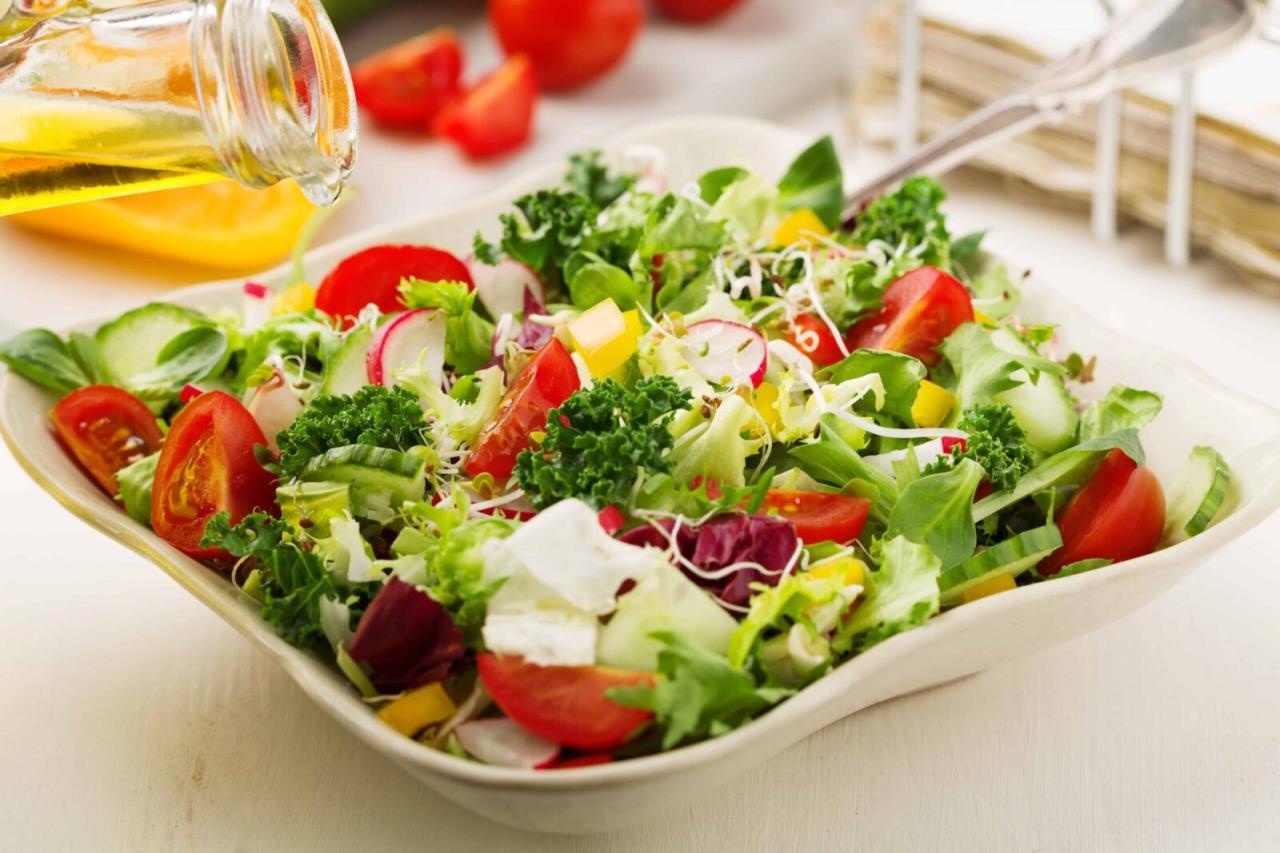
Creating a well-structured meal prep schedule is essential to maintaining consistency and efficiency throughout the week. An organized routine helps ensure that each meal is prepared on time, aligns with dietary goals, and fits seamlessly into personal schedules. Tailoring your routine according to your lifestyle can significantly enhance your meal planning experience, making it both enjoyable and sustainable.A thoughtfully designed weekly schedule balances preparation time, cooking, and storage without overwhelming your day.
It considers busy weekdays when time may be limited, as well as weekends when more elaborate meal prep can be undertaken. By establishing routines that adapt to your needs, you can save time, reduce stress, and enjoy nutritious meals every day.
Sample Weekly Meal Prep Schedule
| Day | Activities | Duration |
|---|---|---|
| Sunday |
|
3-4 hours |
| Monday | Reheat prepped meals, assemble salads or bowls as needed | 15-30 minutes |
| Tuesday | Prepare fresh salads or wraps for variety; reheat stored meals | 20-30 minutes |
| Wednesday | Cook quick proteins like eggs or grilled chicken for the next few days | 15-20 minutes |
| Thursday | Refresh snacks, cut fruits and vegetables for the weekend | 10-15 minutes |
| Friday | Review remaining meals, make adjustments, and prepare for weekend | 20 minutes |
| Saturday or Sunday | Elaborate meal prep: bake casseroles, prepare slow cooker meals, or try new recipes | 2-3 hours |
Flexibility in your schedule allows for adjustments based on personal commitments and dietary preferences. For example, if weekdays are particularly hectic, focus on quick prep methods such as assembling salads in jars or batch-cooking staples. Conversely, weekends can be dedicated to more labor-intensive recipes like homemade lasagnas, meal-stuffed pies, or marinated proteins to diversify your meal options for the upcoming week.
“Align your meal prep routines with your lifestyle to create a sustainable and enjoyable process.”
Final Summary
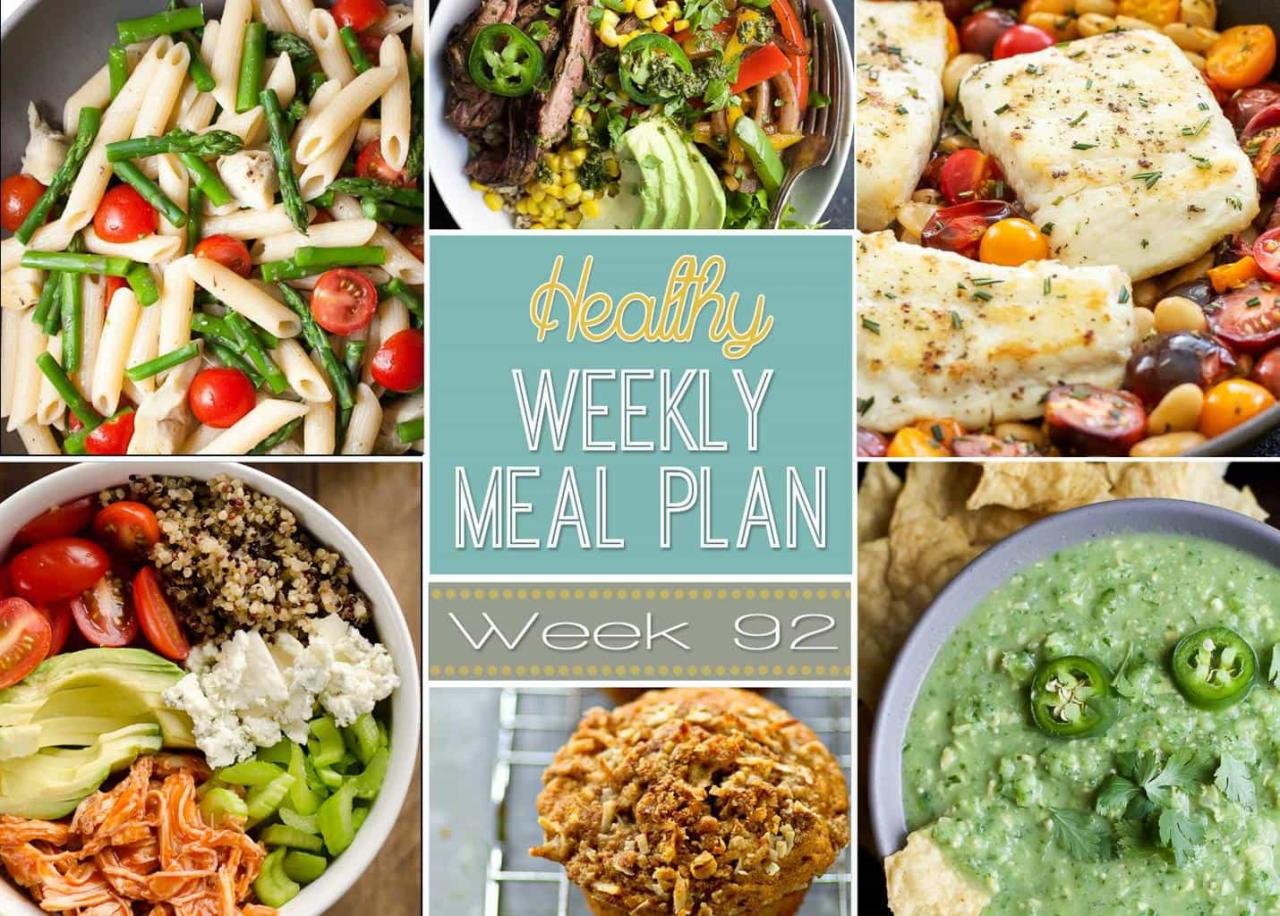
Mastering how to meal prep for the week can transform your approach to eating habits and time management. Implementing these strategies allows for greater control over your diet, minimizes food waste, and simplifies your busy schedule. With thoughtful planning and organized execution, you can enjoy nutritious meals throughout the week while freeing up time for other important activities. Start integrating these techniques today and experience the benefits of a well-prepared, healthy lifestyle.