Learning how to order healthy at restaurants empowers individuals to make better dietary choices while dining out. It combines awareness, preparation, and strategic communication to ensure meals are nutritious without sacrificing flavor or enjoyment. Mastering these skills can significantly enhance your overall well-being by making mindful decisions in diverse dining environments.
This guide explores essential strategies, from researching menus in advance to customizing orders and practicing portion control, helping you navigate restaurant options confidently. Whether you have specific dietary restrictions or simply wish to maintain a balanced diet, these insights will enable you to dine out healthily and enjoyably.
Understanding Healthy Eating at Restaurants
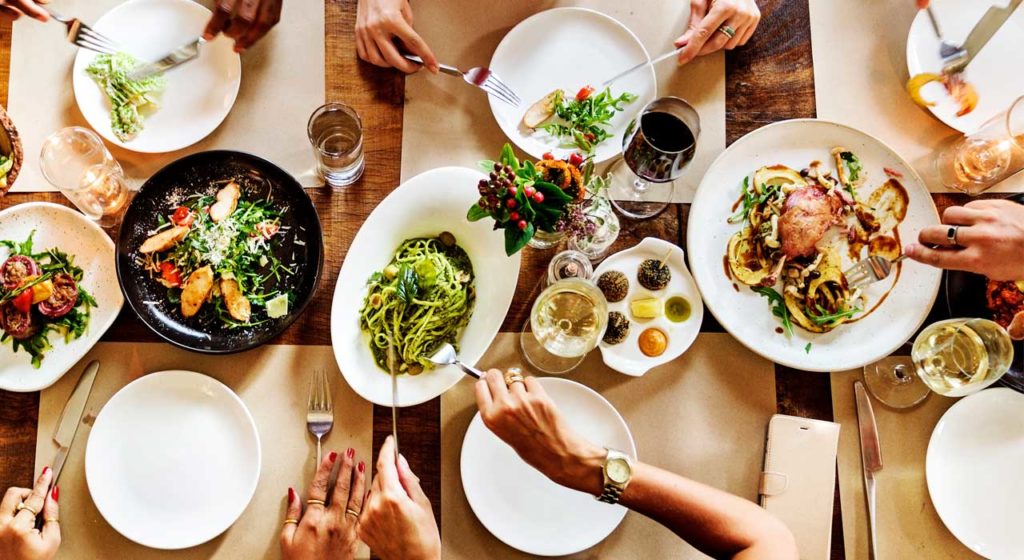
Eating out offers a convenient way to enjoy diverse cuisines and socialize, but it can also pose challenges to maintaining a balanced diet. Developing an understanding of healthy eating principles at restaurants enables individuals to make informed choices that align with their nutritional goals. Recognizing how to navigate menus and select options that support overall wellness is essential for establishing sustainable healthy habits outside the home.
Many diners harbor misconceptions about what constitutes a healthy restaurant meal. Common beliefs such as equating “low-fat” or “gluten-free” labels with overall healthiness overlook the importance of balanced nutrition, portion sizes, and ingredient quality. Additionally, some assume that healthy eating means sacrificing flavor or indulgence, which is not necessarily true when equipped with proper knowledge and strategies. Nutrition awareness when dining out is crucial for avoiding unintended excesses of calories, sodium, and unhealthy fats, ultimately supporting long-term health objectives and preventing diet-related conditions such as obesity, diabetes, and cardiovascular disease.
Principles of Choosing Healthy Options at Restaurants
When selecting meals at a restaurant, certain guiding principles can help ensure that choices support nutritional well-being. Prioritizing dishes that are grilled, baked, steamed, or roasted rather than fried or breaded reduces intake of unhealthy fats. Incorporating a variety of colorful vegetables, lean proteins, and whole grains enhances nutrient density. Moderation in portion sizes can prevent overeating, especially when restaurant servings tend to be larger than standard recommended amounts.
Paying attention to preparation methods and requesting modifications—such as dressing on the side or substituting fries for a salad—can further tailor meals to healthier preferences. Staying hydrated with water instead of sugary beverages complements these choices and aids digestion.
Common Misconceptions About Healthy Restaurant Meals
Understanding misconceptions helps prevent misguided decisions that can undermine nutritional goals. A prevalent myth is that items labeled as “light” or “low-calorie” are inherently healthy; however, these options may still contain high levels of sugar, sodium, or artificial additives. Another misconception is that salads are always healthy; while salads can be nutritious, they often contain high-calorie dressings, cheese, croutons, or processed meats that increase calorie content significantly.
Some believe that skipping meals or eating very lightly at a restaurant is better for health, but such practices can lead to overeating later or nutritional deficiencies. Recognizing that a balanced meal includes appropriate portions of protein, healthy fats, and carbohydrates is essential for making accurate assessments.
Importance of Nutrition Awareness When Dining Out
Being aware of nutritional information empowers diners to make choices aligned with their health goals. Many restaurants now provide detailed menus with calorie counts, macronutrient breakdowns, and allergen information, which serve as valuable tools for informed decision-making. Understanding how different ingredients and cooking styles impact nutritional value enables consumers to select meals that nourish their bodies without excess calories or harmful substances.
Nutrition awareness also fosters mindful eating habits, reducing impulsive decisions based on cravings or restaurant atmosphere. Ultimately, this knowledge supports the development of sustainable, enjoyable, and health-conscious dining experiences that complement a balanced lifestyle.
Preparing Before Visiting a Restaurant

Ensuring healthy dining habits begins well before stepping foot into a restaurant. Adequate preparation involves researching menus, identifying establishments that prioritize nutritious options, and organizing dietary considerations to align with personal health goals. Taking these proactive steps can significantly enhance your ability to make mindful choices and enjoy a satisfying, health-conscious meal.Meticulous preparation prior to dining out empowers individuals to navigate restaurant menus confidently, avoid impulsive decisions motivated by tempting but less healthy options, and uphold dietary restrictions or preferences.
This strategic approach not only supports nutritional objectives but also fosters a positive dining experience rooted in informed choices.
Research Menus Online Ahead of Time
Understanding the menu offerings of a restaurant before visiting allows for thoughtful planning and reduces the likelihood of making hasty, less healthy decisions upon arrival. Many restaurants now publish their menus on official websites, apps, or social media platforms, often with detailed descriptions of dishes, ingredients, and nutritional information.To maximize the benefits of pre-visit research:
- Visit the restaurant’s official website or trusted food delivery platforms where menus are displayed with comprehensive descriptions.
- Identify the sections most relevant to healthy eating, such as salads, grilled options, or dishes labeled as low-fat or low-sodium.
- Note the ingredients and preparation methods used in various dishes—favor options that are baked, grilled, steamed, or roasted over fried or breaded items.
- Look for nutritional information, calorie counts, and ingredient lists if available, which can help in assessing the healthfulness of each dish.
- Make a shortlist of potential choices that align with your dietary goals, allowing flexibility to adapt based on what is available upon arrival.
Specialized apps and websites dedicated to healthy eating can further aid this process, providing filters for low-calorie, high-protein, or allergen-free options. Being familiar with the menu beforehand diminishes decision fatigue and enhances confidence during the dining experience.
Identifying Restaurants with Healthier Options
Choosing the right establishment can significantly influence the nutritional quality of your meal. Restaurants that prioritize health-conscious offerings often feature transparent menus, clearly mark healthier options, and incorporate fresh, whole ingredients into their dishes.Methods to identify such establishments include:
- Searching for restaurants that advertise healthy or organic menus, often found through online reviews, health-focused directories, or specialized apps.
- Looking for s like “balanced,” “nutritious,” “gluten-free,” “vegan,” or “low-carb” in restaurant descriptions and menu labels.
- Checking customer reviews and ratings on platforms such as Yelp, TripAdvisor, or Google Maps, focusing on comments that mention healthful options or dietary accommodations.
- Noticing restaurants that display nutritional information openly, indicating transparency and commitment to healthy eating.
- Opting for establishments featuring customizable dishes, allowing you to modify ingredients or preparation methods to suit your dietary needs.
Some popular chains have dedicated sections for health-conscious customers, making it easier to select appropriate meals. When in doubt, calling ahead to inquire about available healthy options or special dietary accommodations can further streamline selecting a suitable restaurant.
Organizing a Checklist for Dietary Preferences and Restrictions
Preparation also involves clarifying personal dietary preferences, restrictions, and nutritional goals before dining out. Having a clear checklist ensures you consider all relevant factors and communicate effectively with restaurant staff if needed.A comprehensive checklist may include:
- Identifying any food allergies or intolerances, such as nuts, dairy, gluten, or shellfish.
- Specifying dietary restrictions, including vegetarian, vegan, paleo, or low-sodium requirements.
- Determining caloric or macronutrient targets, such as aiming for high-protein or low-carb meals.
- Listing preferred ingredients to include (e.g., whole grains, lean proteins, vegetables) and ingredients to avoid.
- Considering portion size preferences to prevent overeating or undernutrition.
- Noting any additional constraints, such as religious or cultural dietary rules.
Before visiting the restaurant, review this checklist and communicate any specific needs clearly to staff. This preparation ensures that your meal aligns with your health goals, minimizes the risk of cross-contamination or miscommunication, and fosters a more confident, enjoyable dining experience.
Making Healthy Menu Selections
Choosing nutritious dishes at restaurants can significantly enhance your overall health and well-being. With a variety of options available, knowing how to identify healthier choices ensures that dining out aligns with your dietary goals. Implementing effective strategies for menu selection allows you to enjoy meals without compromising your nutritional needs.
Understanding how to interpret menu descriptions and compare traditional dishes with healthier alternatives empowers you to make informed decisions. This approach not only supports weight management and disease prevention but also encourages mindful eating habits that can be sustained over time.
Strategies to Identify Nutritious Dishes on a Menu
When browsing restaurant menus, adopting practical strategies can assist in recognizing dishes that are rich in nutrients and lower in unhealthy fats, sugars, and sodium. These strategies include:
- Looking for menu items labeled as “grilled,” “baked,” or “steamed,” which generally indicate healthier cooking methods.
- Paying attention to descriptions that emphasize fresh vegetables, lean proteins, and whole grains.
- Choosing dishes that are smaller in portion size or designed for sharing to control calorie intake.
- Seeking out side options like salads, steamed vegetables, or fruit instead of fries or creamy sauces.
- Utilizing symbols or icons that some menus use to denote healthier options, such as a heart symbol or “light” labels.
Interpreting Menu Descriptions for Healthier Choices
Understanding how to read menu descriptions enables diners to easily identify healthier options. Descriptive phrases often provide clues about the nutritional profile of a dish:
“Grilled chicken with a side of steamed broccoli” indicates a lean protein prepared with minimal fat, accompanied by nutrient-rich vegetables.
“Creamy Alfredo pasta” suggests a higher calorie, high-fat option, which can be replaced with “whole wheat pasta with marinara sauce” for a lighter alternative.
Be cautious with terms like “crispy,” “fried,” or “breaded,” which typically imply higher fat and calorie content. Instead, opt for descriptions mentioning “baked,” “roasted,” or “poached.” Additionally, consider the ingredients and preparation methods to assess healthfulness.
Comparison Table of Typical Restaurant Options and Healthier Alternatives
This table illustrates common restaurant dishes alongside their healthier versions, highlighting the differences in preparation and nutritional content:
| Dish Name | Traditional Description | Healthy Version | Notes |
|---|---|---|---|
| Fried Chicken | Chicken pieces breaded and deep-fried until crispy, often served with gravy or creamy sides. | Grilled chicken breast seasoned with herbs and spices, served with steamed vegetables or a side salad. | Opt for grilling to reduce fat; avoid breading and frying to lower calorie content. |
| Spaghetti Carbonara | Spaghetti with a creamy sauce made from eggs, cheese, pancetta, and black pepper. | Whole wheat spaghetti tossed with sautéed vegetables and a light tomato-based sauce. | Reducing cheese and processed meats decreases saturated fats and sodium. |
| Cheeseburger | Beef patty topped with cheese, served in a white bread bun with condiments and fries. | Lean turkey or veggie burger in a whole-grain bun, topped with lettuce, tomato, and mustard, with a side of baked sweet potato fries. | Choosing whole grains and lean proteins enhances fiber and reduces saturated fat intake. |
| Shrimp Fried Rice | White rice stir-fried with shrimp, vegetables, soy sauce, and oil, often high in sodium and fats. | Brown rice with steamed shrimp and vegetables, seasoned with herbs and minimal oil. | Using brown rice increases fiber; limiting added salt improves heart health. |
Portion Control and Eating Mindfully
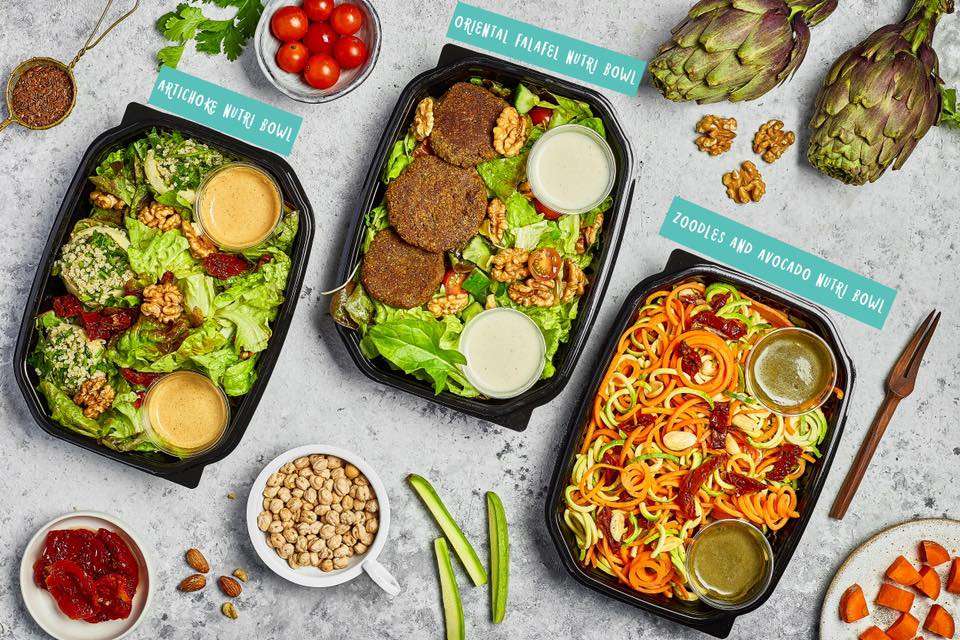
Maintaining appropriate portion sizes and practicing mindful eating are essential strategies for enjoying meals at restaurants without compromising your health goals. These practices help prevent overeating, reduce food waste, and foster a more conscious relationship with food, even amid the social and often indulgent dining environment of restaurants.Effective portion control and mindful eating require intentional strategies that allow diners to enjoy their meals while managing intake.
Recognizing serving sizes, listening to body cues, and communicating effectively with restaurant staff can significantly enhance your dining experience and promote healthier choices.
Managing Portion Sizes in Restaurant Settings
Portion sizes at restaurants tend to be larger than standard serving recommendations, which can lead to consuming excess calories. Implementing specific methods can help control intake without sacrificing satisfaction.Restaurants often serve meals that are two to three times larger than recommended portions. To manage this:
- Order smaller or “half” portions when available, or request a to-go box at the start of the meal to portion out half for later.
- Share dishes with dining companions, especially when ordering rich or calorie-dense foods such as fried appetizers or large entrees.
- Consult the menu beforehand to identify dishes that are naturally smaller or more aligned with balanced portions, such as salads, grilled proteins, or vegetable-based dishes.
Using visual cues can assist in controlling portions. For example, comparing a standard serving to familiar objects—such as a deck of cards for a portion of meat or a baseball for a serving of pasta—can help estimate appropriate sizes when ordering.Explicit communication with restaurant staff enhances portion control. Phrases like “Could I get a half-portion?” or “Would it be possible to package half of this for takeout?” are polite yet effective ways to request smaller servings.
Practicing Mindful Eating to Prevent Overeating
Mindful eating involves paying close attention to the sensory experience of eating, recognizing hunger and fullness cues, and avoiding distractions during meals. This approach fosters a healthier relationship with food and reduces the tendency to overeat.To cultivate mindful eating:
- Eat slowly, savoring each bite to allow your brain to register fullness before you’ve consumed too much.
- Put utensils down between bites and take small bites, which encourages more thorough chewing and awareness of flavors and textures.
- Avoid distractions like screens or reading material during meals, as these can lead to mindless overeating.
- Check in with your hunger levels before, during, and after eating. Recognize if you’re eating out of habit, emotion, or boredom rather than hunger.
- Pause during your meal to assess whether you are beginning to feel full, and consider stopping before reaching complete satiety to prevent discomfort and overeating.
Using visual cues such as plate size can also promote mindful eating. Smaller plates or bowls naturally encourage smaller portions, and visualizing your plate divided into sections—such as half vegetables, a quarter protein, and a quarter grains—can help ensure balanced and moderate consumption.
“Eat with intention, not just out of habit or boredom, and listen to your body’s signals for hunger and fullness.”
Incorporating these strategies into restaurant dining routines can significantly contribute to healthier eating habits, support weight management, and foster a more enjoyable and conscious eating experience.
Beverages and Sides to Support Healthy Choices

Choosing the right beverages and sides at restaurants plays a vital role in maintaining a balanced, nutritious diet. Often, beverages and side dishes are overlooked as contributors to overall calorie intake and nutritional quality. Making mindful selections can significantly enhance your meal’s healthfulness, helping you stay aligned with your dietary goals while still enjoying dining out.
Understanding the options available, along with strategies to select healthier beverages and sides, allows you to navigate menus confidently. This proactive approach supports better portion control, reduces unnecessary calorie consumption, and promotes overall well-being during restaurant visits.
Healthier Beverage Options Versus Sugary Drinks
Many restaurant menus feature a variety of beverage choices, ranging from nutrient-rich options to high-calorie sugary drinks. Recognizing the nutritional differences between these options can help you make smarter choices that support your health goals.
| Beverage Type | Calories | Benefits | Recommendations |
|---|---|---|---|
| Water (still or sparkling) | 0-5 | Hydrates without added calories, supports digestion, and helps control appetite. | Choose as the primary beverage; add a slice of lemon or lime for flavor if desired. |
| Unsweetened Herbal Tea | 0-5 | Rich in antioxidants, aids digestion, and provides hydration without calories. | Opt for hot or iced versions; avoid adding sugar or sweeteners. |
| Fresh Vegetable Juices | 50-100 (per 8 oz) | Provides vitamins and minerals; lower in sugar than fruit juices. | Choose juices with minimal added sugars; consider vegetable-based blends. |
| Diet Sodas or Sparkling Water with Natural Flavors | 0-5 | Calorie-free, can satisfy craving for carbonation and flavor. | Use sparingly; avoid over-reliance on artificially sweetened beverages. |
| Sugary Drinks (sodas, sweetened juices, energy drinks) | 150-300+ (per 8 oz) | High in added sugars; contribute to weight gain, insulin resistance, and dental issues. | Limit consumption; opt for healthier alternatives listed above. |
Procedures for Selecting Nutritious Sides Over Fried or Processed Options
Sides significantly influence the overall nutritional value of your meal, yet they are often high in calories and unhealthy fats. Making deliberate choices can help you enjoy satisfying accompaniments without compromising your health goals.
- Review the menu for vegetable-based options, such as steamed, roasted, or grilled vegetables, which provide fiber, vitamins, and minerals without added fats.
- Avoid fried sides like French fries, onion rings, or mozzarella sticks, as these are often prepared in oils high in trans and saturated fats, increasing calorie content.
- Opt for salads, but be cautious of high-calorie toppings and dressings; choose vinaigrettes or ask for dressing on the side.
- Consider whole grain options if available, such as brown rice or quinoa, which offer more fiber and nutrients compared to refined grains.
- Ask for modifications, such as substituting fries with a side of fresh fruit or a small mixed greens salad.
Tips for Avoiding High-Calorie Extras Like Creamy Dressings or Buttery Sauces
Extras such as dressings, sauces, and toppings can add significant calories, fats, and sugars to your meal. Implementing strategic choices can help you enjoy your food while keeping calorie intake in check.
- Request dressings and sauces on the side, allowing you to control the amount used.
- Choose vinaigrettes, lemon juice, or balsamic reductions over creamy or buttery options.
- Ask for healthier preparation methods, such as grilling or steaming, which reduce the need for added fats.
- Be mindful of portion sizes for toppings like cheese, sour cream, or gravy, and ask for them in moderation or as a garnish rather than a main component.
- Focus on seasoning with herbs, spices, and citrus to enhance flavor without extra calories.
“Making small adjustments, such as choosing water over soda or requesting dressings on the side, can have a substantial impact on your overall health during dining out experiences.”
Handling Special Dietary Needs
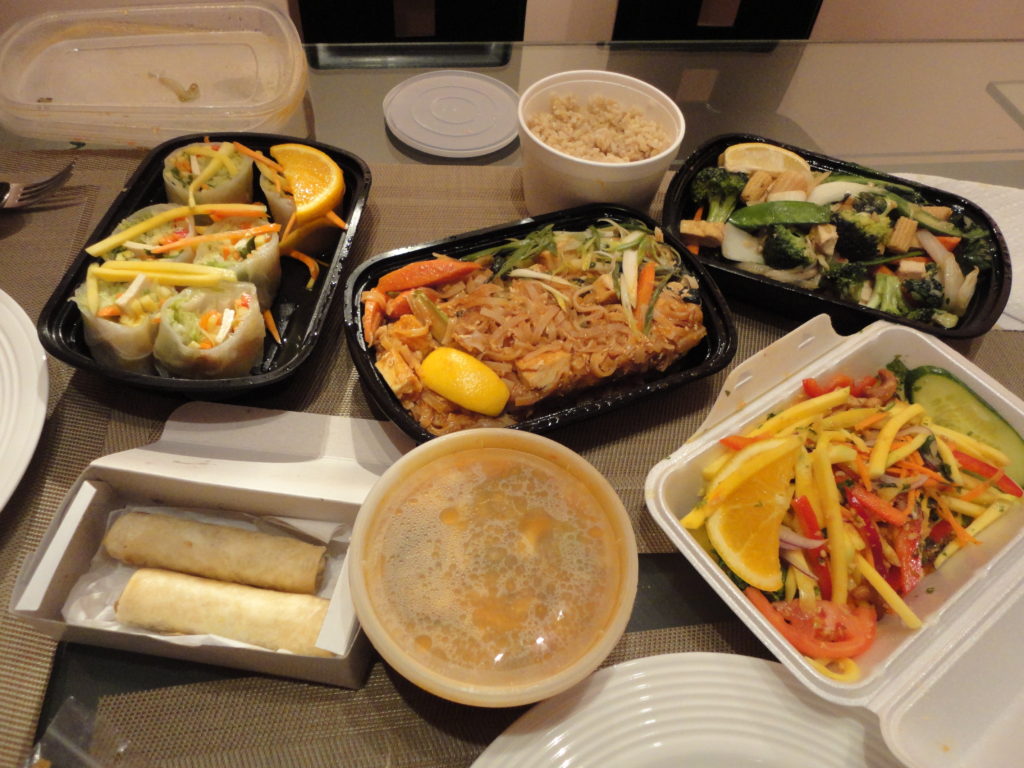
Providing for special dietary requirements is essential for ensuring all diners enjoy a satisfying and safe meal at restaurants. Whether due to medical conditions, lifestyle choices, or personal preferences, understanding how to address these needs can significantly enhance the dining experience and promote healthful eating habits. Effective communication with restaurant staff and thorough menu awareness are key to successfully accommodating dietary restrictions while maintaining nutritional goals.Recognizing and effectively conveying dietary restrictions involves clear communication and familiarity with common dietary terms.
Many restaurants now include symbols or notes indicating gluten-free, vegetarian, vegan, low-sodium, or allergen-friendly options on their menus. However, diners should also be prepared to articulate their specific needs directly to servers, specifying details such as allergies, sensitivities, or health goals. For example, when requesting a gluten-free meal, it’s important to confirm that cross-contamination is minimized, especially in establishments that prepare both gluten-containing and gluten-free dishes in the same kitchen.Leveraging restaurant accommodations for special diets requires knowledge of available options and proactive engagement with staff.
Many restaurants are willing to modify dishes or suggest suitable alternatives to meet dietary needs. For instance, a customer seeking a low-sodium diet might request an entrée without added salt or sauces high in sodium, such as soy sauce or processed dressings. Vegetarian diners can explore vegetable-based dishes or ask for protein substitutions like tofu or legumes. Some establishments even have dedicated menu sections or dishes explicitly prepared to cater to specific dietary restrictions, which can simplify decision-making.In real-world scenarios, a person managing a food allergy, such as nuts, can inform the server about their allergy and request nut-free preparations.
A vegetarian might ask for dishes that exclude meat, dairy, and eggs, requesting plant-based proteins instead. When dining with a low-sodium goal, asking for dishes prepared without added salt and requesting fresh herbs or spices for flavor can help meet health objectives without sacrificing taste.
“Proactive communication and menu familiarity are essential tools for diners with special dietary needs, ensuring safety and satisfaction during every restaurant visit.”
Tips for Maintaining a Healthy Eating Routine
Maintaining a consistent healthy eating routine while dining out can be challenging but highly achievable with mindful planning and disciplined habits. Establishing a sustainable approach to restaurant meals helps support overall health goals, prevents overeating, and encourages balanced nutrition even during busy or social occasions. Developing effective strategies enables you to enjoy dining experiences without compromising your dietary commitments, contributing to long-term wellness and vitality.A structured plan that integrates healthy choices into frequent dining out habits involves deliberate preparation, mindful decision-making, and ongoing evaluation.
By adopting systematic routines, you can foster a balanced relationship with food, making health-oriented choices a natural and enjoyable part of your lifestyle. Here are practical steps to embed healthy eating into your dining routines effectively.
Establish a Step-by-Step Plan for Consistent Healthy Choices
Creating a clear, actionable plan helps reinforce healthy habits during restaurant visits. Start with setting specific, achievable goals such as choosing vegetables as a main component or limiting fried foods. Next, identify trusted restaurants that offer nutritious options, and familiarize yourself with their menus ahead of time. Incorporate a pre-visit routine, like reviewing menu options online or preparing a list of preferred healthy dishes, to streamline decision-making.
During each meal, prioritize balanced choices that include lean proteins, whole grains, and plenty of vegetables. After dining, reflect on your choices, noting successes and areas for improvement to refine your routine over time.
Examples of Portable Healthy Snacks for Limited Restaurant Options
In situations where restaurant options are limited or unavailable, portable healthy snacks provide a practical solution to sustain your nutritional goals. These snacks should be nutrient-dense, easy to carry, and minimally processed. Examples include:
- Mixed nuts and seeds, which offer healthy fats, protein, and fiber
- Fresh fruit such as apples, bananas, or berries that are convenient and hydrating
- Vegetable sticks like carrots, celery, or cucumber paired with hummus
- Whole-grain granola bars with minimal added sugars
- Greek yogurt in portable containers for a protein-rich snack
Having a variety of these options on hand ensures you stay aligned with your health goals, even when restaurant menus are limited or options are less nutritious.
Organize Routines to Track and Evaluate Dietary Choices
Tracking and assessing your dietary choices after each meal fosters accountability and continuous improvement. Incorporate simple methods such as maintaining a food journal or using mobile apps designed for dietary tracking. Record details like portion sizes, food groups, and how you felt during and after eating. Regularly reviewing this information helps you identify patterns, recognize successes, and pinpoint areas needing adjustment.
Over time, this routine cultivates greater awareness of your eating habits, empowering you to make informed, health-conscious decisions consistently.
Implementing a structured routine that emphasizes planning, portable snacks, and self-monitoring solidifies your commitment to a healthy eating lifestyle and promotes sustainable habits over the long term.
End of Discussion
By applying these practical tips and approaches, you can develop a sustainable routine that supports your health goals while still enjoying the social and cultural benefits of dining out. Making informed choices and communicating effectively with restaurant staff will ensure you consistently choose meals that nourish your body and satisfy your palate. Embrace these strategies to transform your dining experiences into opportunities for healthier living.