Understanding how to plan a plant-based diet is essential for those seeking to improve their health, reduce their environmental impact, and embrace a more ethical lifestyle. This comprehensive guide explores the fundamental principles of plant-based eating, helping individuals transition smoothly while ensuring nutritional adequacy and culinary enjoyment. By following structured steps and practical tips, anyone can develop a sustainable and satisfying plant-based dietary routine.
This article offers detailed insights into setting realistic goals, balancing nutrient intake, creating weekly meal plans, finding inspiring recipes, managing grocery shopping, overcoming common challenges, and monitoring progress. Whether you are a newcomer or looking to refine your approach, these strategies will support you in successfully adopting a plant-based lifestyle.
Understanding a Plant-Based Diet

A plant-based diet primarily emphasizes the consumption of foods derived from plants, including vegetables, fruits, grains, legumes, nuts, and seeds. While the core principle revolves around prioritizing plant foods, variations within this dietary approach allow for different levels of animal product inclusion, making it adaptable to individual preferences and health needs. Embracing a plant-based lifestyle not only promotes personal well-being but also contributes positively to environmental sustainability by reducing the ecological footprint associated with animal agriculture.
Adopting a plant-based diet offers a range of health benefits, such as lower risks of heart disease, hypertension, type 2 diabetes, and certain cancers. Environmentally, this diet helps decrease greenhouse gas emissions, conserves water, and reduces land use, aligning with global efforts to combat climate change. Understanding the distinctions among various plant-based diets helps individuals choose the most suitable approach for their lifestyle and health goals.
Types of Plant-Based Diets
Different variations of plant-based diets cater to diverse dietary preferences and ethical considerations. Recognizing these differences enables individuals to make informed choices aligned with their values and nutritional needs.
| Diet Type | Core Features | Animal Product Inclusion | Typical Food Choices | Common Reasons for Adoption |
|---|---|---|---|---|
| Vegan | Eliminates all animal-derived products, including meat, dairy, eggs, honey, and gelatin. | None | Legumes, grains, vegetables, fruits, nuts, seeds, plant-based alternatives. | Ethical concerns, environmental impact, health benefits. |
| Vegetarian | Excludes meat, fish, and poultry but may include dairy and eggs. | Often included, depending on the type. | Vegetables, fruits, dairy products, eggs, grains, legumes. | Animal welfare, health considerations, environmental sustainability. |
| Flexitarian | Primarily plant-based but occasionally includes small amounts of meat or fish. | Occasional inclusion. | Mostly plant foods with occasional meat, dairy, or fish. | Health reasons, environmental concerns, flexibility in social settings. |
Understanding these variations helps individuals align their dietary choices with personal values, health goals, and lifestyle demands, ensuring a sustainable and enjoyable plant-based journey.
Setting Goals for a Plant-Based Lifestyle

Establishing clear and personalized goals is a vital step in adopting a sustainable plant-based diet. Well-defined objectives help guide your transition, maintain motivation, and measure progress effectively. Aligning these goals with both your health aspirations and ethical considerations ensures that your dietary journey remains meaningful and tailored to your values.
Creating realistic goals involves evaluating your current eating habits, understanding your motivations, and setting achievable milestones. This process not only fosters confidence but also minimizes the risk of becoming overwhelmed or discouraged during the transition. By carefully planning your objectives, you lay a solid foundation for long-term success in embracing a plant-based lifestyle.
Assessing Current Eating Habits and Identifying Transition Areas
To set effective goals, begin by thoroughly analyzing your current dietary patterns. Keeping a detailed food diary for a week can reveal insights into your typical intake of animal products, processed foods, and plant-based options. Recognizing habits such as frequent consumption of red meat, reliance on fast food, or limited intake of vegetables helps pinpoint specific areas for improvement.
Identifying these transition points allows you to develop targeted goals, such as gradually reducing meat portions, increasing vegetable servings, or exploring plant-based recipes. This assessment ensures your objectives are personalized, attainable, and aligned with your lifestyle, making the shift more manageable and sustainable over time.
Short-Term and Long-Term Objectives for Adopting a Plant-Based Diet
Clear objectives provide direction and motivation throughout your dietary transition. Setting both short-term and long-term goals ensures steady progress while maintaining flexibility to adapt as needed.
- Short-Term Objectives:
- Incorporate at least one plant-based meal per day for the first month to build familiarity with new ingredients and recipes.
- Gradually reduce consumption of red and processed meats, aiming for a 25% decrease within the first six weeks.
- Experiment with various plant-based protein sources such as beans, lentils, and tofu to diversify your diet.
- Learn and prepare simple, nutritious plant-based snacks to replace less healthy options.
- Long-Term Objectives:
- Transition to a predominantly plant-based diet, aiming for at least 80% of meals being entirely plant-based within one year.
- Achieve nutritional balance by ensuring adequate intake of essential nutrients such as vitamin B12, iron, and omega-3 fatty acids through fortified foods or supplements if necessary.
- Engage with a community or support group to maintain motivation and share experiences.
- Align dietary habits with ethical considerations by advocating for sustainable and cruelty-free food choices.
By setting targeted and realistic goals, individuals can navigate the transition to a plant-based diet with confidence, ensuring that each step is manageable and aligned with their personal health and ethical values.
Planning Nutrient Intake
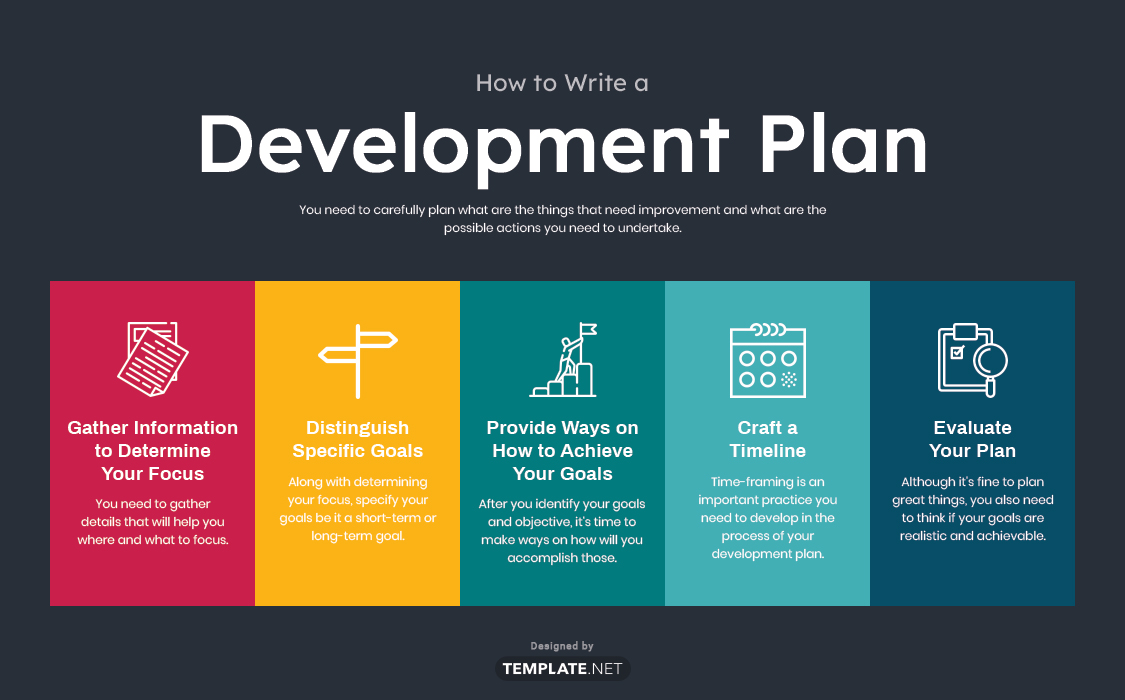
Maintaining a balanced and healthful plant-based diet requires careful planning to ensure that all essential nutrients are adequately consumed. While plant foods can supply most necessary vitamins and minerals, some nutrients demand special attention to prevent deficiencies and support overall well-being. Proper planning involves selecting a variety of nutrient-rich plant sources, understanding their nutritional profiles, and incorporating strategies to compensate for nutrients that are more challenging to obtain solely from plant-based foods.
Implementing a strategic approach to nutrient intake is vital for sustaining energy levels, supporting immune function, and promoting optimal growth and health. This involves not only choosing diverse plant options but also considering fortified foods, supplements, and meal timing to meet individual nutritional needs effectively.
Ensuring Adequate Intake of Essential Nutrients from Plant Sources
Several key nutrients are central to a balanced plant-based diet. These include protein, iron, calcium, vitamin B12, omega-3 fatty acids, and others such as zinc and vitamin D. Each plays a crucial role in maintaining bodily functions, and their sources from plants require strategic inclusion in daily meals.
- Protein: Obtain from legumes (lentils, chickpeas, beans), tofu, tempeh, seitan, quinoa, seeds (hemp, chia, flax), and nuts. Combining various sources throughout the day ensures a complete amino acid profile.
- Iron: Present in dark leafy greens (spinach, kale), legumes, fortified cereals, pumpkin seeds, and dried fruits. Consuming vitamin C-rich foods alongside iron sources enhances absorption.
- Calcium: Found in fortified plant milks, tofu made with calcium sulfate, leafy greens, almonds, tahini, and figs. Adequate intake supports bone health.
- Vitamin B12: Exclusively found in animal products, hence requiring supplementation or consumption of B12-fortified foods such as plant milks, breakfast cereals, and nutritional yeast.
- Omega-3 Fatty Acids: Sourced from ground flaxseeds, chia seeds, walnuts, hemp seeds, and algae-based supplements. These are vital for brain health and reducing inflammation.
To optimize nutrient absorption and utilization, combining certain foods and timing meals strategically can be highly effective. For example, pairing plant-based iron sources with vitamin C-rich fruits or vegetables significantly improves iron bioavailability, thereby supporting better iron status in the body.
Comparison of Common Plant-Based Foods for Key Nutrients
Below is a comparison of typical plant foods highlighting their nutrient contents per standard serving, facilitating easier meal planning and nutritional assessment.
| Food Item | Protein (g) | Iron (mg) | Calcium (mg) | Omega-3 (ALA, g) |
|---|---|---|---|---|
| Chickpeas (1 cup cooked) | 15 | 4.7 | 80 | 0.1 |
| Spinach (1 cup cooked) | 5 | 6.4 | 245 | 0.2 |
| Fortified Plant Milk (1 cup) | 8-10 | 0.5 | 300 | 0 |
| Walnuts (28g/1 oz) | 4 | 0.8 | 28 | 2.5 |
While plant foods can collectively provide adequate levels of most nutrients, attention to specific sources and their combinations is essential to meet daily requirements. Recognizing the nutrient density of varied foods supports a balanced intake aligned with personal dietary goals.
Strategies for Supplementing Challenging Nutrients
Despite the diverse array of plant foods, certain nutrients such as vitamin B12, vitamin D, and long-chain omega-3 fatty acids are difficult to obtain exclusively from plants. Therefore, strategic supplementation or fortified foods are often necessary to prevent deficiencies.
- Vitamin B12: Regular intake of B12-fortified foods or supplements is vital for vegans and those with limited animal product consumption. The typical recommended dose ranges from 25 to 100 micrograms weekly, depending on individual needs.
- Vitamin D: Sun exposure can help synthesize vitamin D, but in areas with limited sunlight, fortified plant milks and supplements are prudent. Vitamin D3 derived from lichen is suitable for vegans.
- Omega-3 (EPA and DHA): Since ALA conversion to EPA and DHA is limited, algae-based supplements provide direct sources of these essential fatty acids, supporting brain and cardiovascular health.
- Iron and Calcium Supplements: In cases where dietary intake is insufficient, oral supplements may be recommended under medical supervision to correct deficiencies without risking overconsumption.
Incorporating fortified foods and supplements into a plant-based diet ensures a comprehensive approach to meeting nutritional needs, especially for nutrients less available from plant sources.
Developing a Weekly Meal Plan
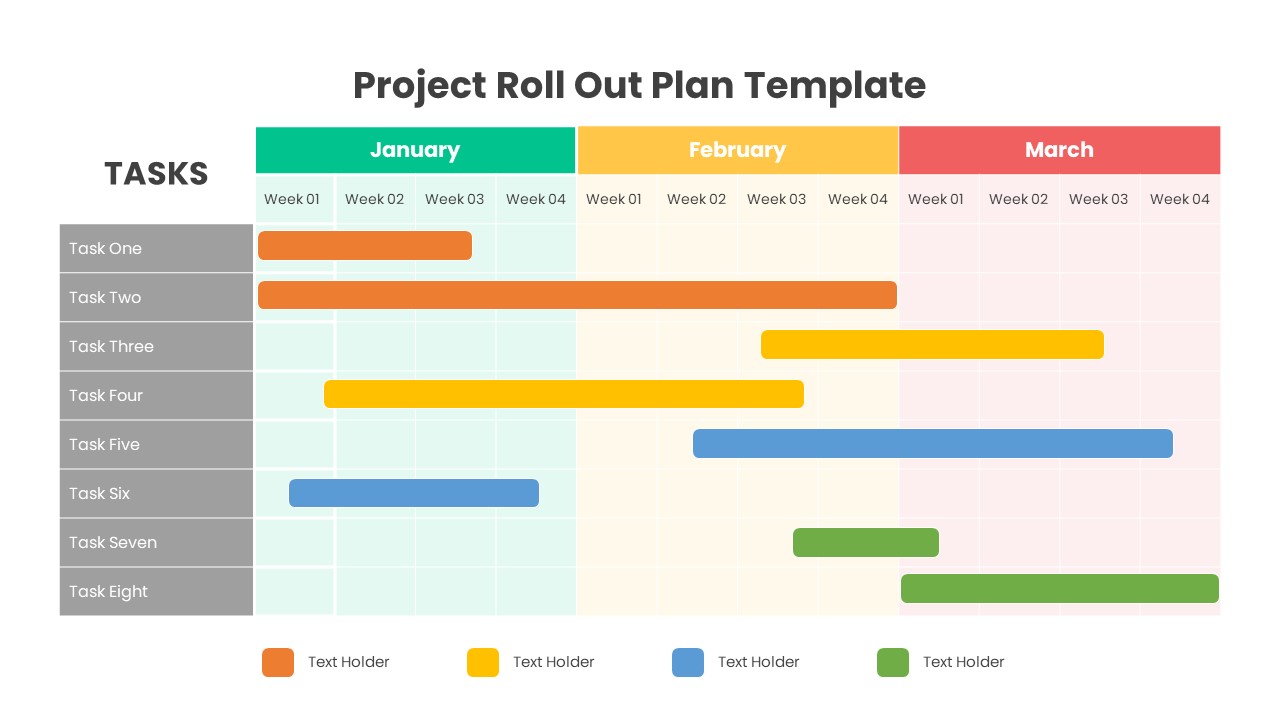
Creating a well-structured weekly meal plan serves as a cornerstone for maintaining a balanced and sustainable plant-based diet. A thoughtfully designed plan ensures nutritional adequacy, variety, and enjoyment while simplifying grocery shopping and meal preparation. By establishing a clear framework for your weekly meals, you can effectively transition to a plant-based lifestyle with confidence and consistency, reducing the likelihood of impulsive or less nutritious food choices.A comprehensive weekly meal plan should encompass breakfast, lunch, dinner, and snacks, integrating a mix of nutrient-dense foods to meet your dietary goals.
It also provides an opportunity to incorporate seasonal produce, experiment with new recipes, and ensure that your diet remains enjoyable and sustainable over time.
Sample Weekly Meal Plan
To illustrate a balanced approach, consider the following sample meal plan designed to provide essential nutrients, flavor variety, and adequate caloric intake:
| Day | Breakfast | Lunch | Dinner | Snacks |
|---|---|---|---|---|
| Monday | Oatmeal topped with fresh berries, chia seeds, and a drizzle of maple syrup | Quinoa salad with chickpeas, cucumbers, cherry tomatoes, red onion, and lemon-tahini dressing | Stir-fried tofu with mixed vegetables (bell peppers, broccoli, carrots) served over brown rice | Apple slices with almond butter |
| Tuesday | Green smoothie with spinach, banana, almond milk, hemp seeds, and flaxseed | Whole-grain wrap filled with hummus, roasted vegetables, and spinach | Lentil and vegetable stew with whole-grain bread | Mixed nuts and dried fruit |
| Wednesday | Chia pudding made with coconut milk topped with sliced kiwi and coconut flakes | Vegan burrito bowl with black beans, corn, avocado, salsa, and brown rice | Sweet potato and black bean enchiladas with side salad | Carrot sticks with hummus |
| Thursday | Whole-grain toast with mashed avocado, cherry tomatoes, and hemp seeds | Vegetable stir-fry with tempeh over quinoa | Vegan pasta with tomato basil sauce and sautéed mushrooms | Fresh fruit salad |
| Friday | Tofu scramble with spinach, peppers, and onions | Vegan sushi rolls filled with cucumber, avocado, and carrots | Stuffed bell peppers with wild rice, beans, and vegetables | Trail mix with seeds, nuts, and dried cranberries |
| Saturday | Banana pancakes made with oat flour topped with fresh berries | Grain bowl with roasted vegetables, chickpeas, tahini drizzle | Vegan chili with cornbread | Popcorn seasoned with nutritional yeast |
| Sunday | Acai bowl with granola, sliced banana, and coconut flakes | Veggie burger on a whole-grain bun with lettuce, tomato, and vegan mayo | Roasted eggplant with garlic, herbs, and whole wheat couscous | Dark chocolate squares with strawberries |
Meal Prepping and Batch Cooking
Implementing meal prepping and batch cooking strategies can significantly streamline your transition to a plant-based diet and encourage consistency. Preparing ingredients or entire meals in advance reduces daily cooking time, minimizes food waste, and helps maintain dietary goals amidst busy schedules. Effective meal prepping involves choosing recipes that store well, such as soups, stews, grain bowls, and roasted vegetables. Batch cooking staples like cooked grains, beans, and roasted vegetables at the beginning of the week allows for quick assembly of meals.
Portioning these components into individual containers facilitates grab-and-go options and ensures portion control.For batch cooking, consider dedicating a specific day—such as Sunday—to prepare multiple dishes that can be refrigerated or frozen. For example, making large batches of lentil soup, roasted chickpeas, or vegetable curry provides versatile ingredients that can be incorporated into various meals throughout the week. Utilizing airtight containers, labeling, and proper storage techniques preserve freshness and simplify meal assembly.
Versatile Ingredients and Pantry Staples
A well-stocked pantry is essential for effortless weekly meal planning, enabling quick creation of diverse and nutritious plant-based dishes. Prioritizing versatile ingredients ensures that you can adapt recipes and incorporate seasonal produce without frequent shopping trips.Key pantry staples include:
- Legumes: lentils, chickpeas, black beans, and kidney beans
- Cereals and grains: brown rice, quinoa, oats, whole wheat pasta, and barley
- Nuts and seeds: almonds, walnuts, chia seeds, flaxseeds, hemp seeds, and pumpkin seeds
- Nut and seed butters: almond butter, tahini, and peanut butter
- Cooking oils: extra virgin olive oil, sesame oil, and coconut oil
- Preserved and dried goods: canned tomatoes, coconut milk, dried herbs, and spices
- Flours and baking essentials: oat flour, whole wheat flour, baking powder, and natural sweeteners
Fresh produce should include a variety of vegetables and fruits that are in season, durable enough for batch cooking, and suitable for multiple recipes. Incorporating these staples into your weekly planning ensures both flexibility and nutritional balance, allowing you to create an array of delicious plant-based meals with ease.
Finding and Preparing Plant-Based Recipes

Discovering nutritious and appealing plant-based recipes is a vital component of maintaining a balanced and satisfying diet. Exploring diverse cuisines and cooking styles not only keeps meals interesting but also ensures a broad spectrum of nutrients essential for health. With a variety of resources available, from cookbooks to online platforms, creating delicious plant-based dishes becomes an enjoyable and accessible endeavor.
Proper preparation of these recipes is equally important, as it enhances flavor, preserves nutrients, and ensures food safety. Learning techniques to modify traditional recipes allows for creative adaptations that align with a plant-based lifestyle, offering flexibility and variety in meal planning.
Locating Nutritious and Appealing Plant-Based Recipes Across Different Cuisines
Accessing a wide range of plant-based recipes involves utilizing multiple sources such as reputable cookbooks, culinary blogs, online recipe databases, and social media platforms. Many international cuisines naturally incorporate plant-based ingredients, providing opportunities to explore diverse flavors and cooking methods. For example, Mediterranean dishes emphasize vegetables, legumes, and olive oil, while Asian cuisines often feature tofu, rice, and vegetable stir-fries.
When searching for recipes, look for those emphasizing whole foods, minimal processing, and balanced nutrient profiles. Food-focused apps and websites often categorize recipes by dietary preference, making it easier to find suitable options. Participating in online communities dedicated to plant-based living can also offer inspiration, tips, and shared experiences that enrich your culinary repertoire.
Simple, Nutrient-Dense Plant-Based Recipes with Step-by-Step Instructions
Including easy-to-prepare, nutrient-dense recipes in your diet ensures you can maintain variety without extensive cooking skills. Here are a few examples:
- Chickpea and Spinach Stir-Fry
- Heat a tablespoon of olive oil in a large skillet over medium heat.
- Add chopped garlic and sauté until fragrant (about 30 seconds).
- Stir in canned chickpeas (drained and rinsed), and cook for 3-4 minutes until heated through.
- Add fresh spinach leaves and cook until wilted, approximately 2 minutes.
- Season with salt, pepper, and a squeeze of lemon juice. Serve hot.
- Quinoa and Roasted Vegetable Salad
- Preheat the oven to 400°F (200°C).
- Chop vegetables like bell peppers, zucchini, and cherry tomatoes, then toss with olive oil, salt, and herbs.
- Roast for 20-25 minutes until tender and slightly caramelized.
- Cook quinoa according to package instructions and let it cool.
- Mix roasted vegetables with quinoa, add chopped fresh herbs, and dress with lemon vinaigrette. Chill before serving.
- Sweet Potato and Black Bean Tacos
- Peel and cube sweet potatoes, then toss with olive oil, cumin, paprika, salt, and pepper.
- Roast at 425°F (220°C) for 25-30 minutes until crispy.
- Warm corn tortillas in a skillet or microwave.
- Fill tortillas with roasted sweet potatoes, black beans (rinsed), and your favorite toppings like avocado, salsa, and cilantro. Serve immediately.
Tips for Modifying Traditional Recipes to Be Plant-Based
Transforming conventional dishes into plant-based options allows for culinary creativity while maintaining familiar flavors. Here are practical tips to achieve delicious modifications:
- Replace animal proteins with plant-based alternatives such as tofu, tempeh, lentils, or beans.
- Use vegetable broth instead of chicken or beef broth in soups and stews for added flavor and plant-based compliance.
- Incorporate nutritional yeast to add a cheesy flavor in sauces, dressings, and casseroles.
- Opt for plant-based milk (almond, soy, oat) in recipes calling for dairy, including baking and creamy sauces.
- Substitute eggs with flaxseed or chia seed gels, or commercial egg replacers, in baked goods.
- Utilize herbs and spices generously to compensate for the depth of flavor lost when omitting animal-based ingredients.
- Experiment with textures, such as using mashed avocado or cashew cream to add richness and creaminess to dishes.
“Adapting recipes to a plant-based format not only supports dietary goals but also encourages culinary innovation and healthier eating habits.”
Shopping and Grocery List Management
Effective management of grocery shopping is a fundamental component of maintaining a successful plant-based diet. Organizing a comprehensive shopping list ensures that all necessary ingredients are readily available, reduces the chances of impulse purchases, and facilitates meal preparation aligned with nutritional goals. Mastering strategies for reading labels and shopping on a budget further enhances the sustainability and convenience of adopting a plant-based lifestyle.
By implementing systematic approaches to grocery shopping, individuals can optimize their time, budget, and nutritional intake. Proper list management, coupled with informed label reading and smart shopping strategies, supports consistent adherence to a plant-based diet while promoting variety and affordability.
Comprehensive Plant-Based Grocery List Template
Creating a detailed and categorized shopping list simplifies grocery shopping by ensuring all essential plant-based ingredients are accounted for. Proper categorization also streamlines the shopping process and minimizes missed items, which can lead to less nutritious or less satisfying meals.
| Food Group | Examples of Ingredients |
|---|---|
| Leafy Greens & Vegetables | Spinach, kale, lettuce, broccoli, cauliflower, zucchini, bell peppers, carrots, cucumbers, tomatoes |
| Legumes & Pulses | Lentils, chickpeas, black beans, kidney beans, navy beans |
| Whole Grains & Cereals | Brown rice, quinoa, oats, barley, whole wheat bread, corn |
| Fruits | Apples, bananas, berries, oranges, mangoes, grapes, avocados |
| Nuts, Seeds & Nut Butters | Almonds, walnuts, chia seeds, flaxseeds, sunflower seeds, peanut butter, almond butter |
| Plant-Based Proteins | Tofu, tempeh, seitan, edamame, plant-based protein powders |
| Oils & Condiments | Olive oil, coconut oil, tahini, soy sauce, vinegar, herbs, spices |
| Other Staples | Plant-based milks (almond, soy, oat), nutritional yeast, dried herbs, garlic, onion |
Utilize this template to customize your shopping list based on weekly meal plans, ensuring variety and balanced nutrition. Keep a recurring list for staples and update periodically with seasonal produce and new ingredients to diversify your diet.
Reading Food Labels for Hidden Animal-Derived Ingredients
Reading food labels diligently is crucial to avoid inadvertently consuming animal-derived ingredients, especially since many processed foods contain hidden animal products. Developing the skill to interpret labels ensures adherence to a strict plant-based diet and helps prevent allergic reactions or ethical violations.
- Examine ingredient lists thoroughly, even on products that appear vegan or plant-based.
- Watch for common animal-derived additives such as gelatin, rennet, casein, whey, lard, and albumin.
- Recognize alternative names for animal ingredients, including “shellac” (an insect-derived resin used in coatings), “E” numbers that may indicate animal origin, or “natural flavor” which may contain animal derivatives.
- Check for certification labels such as “Vegan” or “Plant-Based” to verify product claims.
- Be aware of cross-contamination warnings and manufacturing practices that may introduce animal ingredients into plant-based products.
Indicators of animal-derived ingredients include gelatin (used in gummies and marshmallows), casein (milk protein in cheese products), and carmine (a red dye derived from crushed insects).
When in doubt, consult reputable vegan resource guides, manufacturer websites, or contact companies directly for clarification. Keeping a list of trusted brands and products simplifies shopping and minimizes uncertainty.
Strategies for Shopping on a Budget While Maintaining Variety and Nutrition
Balancing cost, nutritional value, and variety is essential for sustainable plant-based eating. Implementing strategic shopping practices helps maximize nutritional benefits without overspending, encouraging long-term adherence to a plant-based lifestyle.
- Prioritize whole foods like beans, grains, and seasonal produce, which are often more affordable and nutrient-dense than processed alternatives.
- Buy in bulk when possible—large quantities of staples such as rice, oats, nuts, and seeds typically reduce cost per unit and ensure a steady supply.
- Utilize local farmers’ markets and community-supported agriculture (CSA) programs to access fresh, seasonal produce at lower prices and support local growers.
- Plan weekly menus around sales and discounts, adjusting ingredient choices accordingly to avoid unnecessary purchases.
- Incorporate versatile ingredients that can be used across various meals, reducing waste and increasing meal options.
- Invest in frozen fruits and vegetables, which retain most nutrients, are usually less expensive than fresh produce out of season, and have a longer shelf life.
- Limit processed plant-based products that tend to be more costly; instead, focus on simple, wholesome ingredients.
- Prepare meals at home to control ingredients, portion sizes, and overall expenditure, reducing reliance on takeout or pre-made meals.
By adopting these strategies, individuals can enjoy a diverse and nutritious plant-based diet that aligns with their financial capabilities, fostering a sustainable and enjoyable eating pattern.
Overcoming Common Challenges
Embarking on a plant-based diet often presents unique obstacles that can challenge consistency and enjoyment. Recognizing these challenges and implementing effective strategies is essential for a sustainable transition. With preparation and awareness, many of these hurdles can be transformed into opportunities for learning and growth on your plant-based journey.Transitioning to a plant-based diet involves changing long-standing eating habits and social routines, which can sometimes lead to feelings of frustration or isolation.
Social situations, dining out, and cravings for familiar flavors are common hurdles that many individuals experience. Addressing these challenges with practical solutions helps maintain motivation and ensures a positive experience as you adopt your new lifestyle.
Managing Dining Out and Social Situations
Social gatherings and dining out are integral parts of life that can pose challenges for those on a plant-based diet. It’s important to plan ahead to ensure options are available that align with your dietary choices. Many restaurants now offer vegan or vegetarian dishes; calling ahead or checking menus online can facilitate smoother dining experiences. When dining with others, communicating your dietary needs with hosts or restaurant staff ensures accommodations are made, allowing you to enjoy social occasions without stress.Additionally, bringing your own plant-based dish to gatherings or potlucks provides variety and ensures there is suitable food available.
Engaging with friends and family about your dietary choices promotes understanding and support, making social situations more comfortable.
Managing Cravings for Unhealthy or Non-Plant-Based Foods
Cravings for familiar comfort foods or non-plant-based items can challenge your resolve. Recognizing that cravings often stem from habits or emotional triggers allows you to develop healthier alternatives. Stocking your pantry and refrigerator with nutrient-dense, satisfying plant-based options such as roasted chickpeas, trail mix, or fruit smoothies can help curb these urges.Practicing mindful eating—paying attention to hunger cues and savoring each bite—can reduce the likelihood of impulsive cravings.
Incorporating a variety of flavorful herbs, spices, and condiments enhances the taste of plant-based meals, making them more appealing and satisfying. Sometimes, a small indulgence that aligns with your diet, like dark chocolate or a homemade vegan treat, can also satisfy cravings without derailing your progress.
Tips for Maintaining Motivation and Consistency
Staying committed to a plant-based diet requires ongoing motivation and strategies to overcome setbacks. Here are some practical tips to support your journey:
- Set clear, achievable goals to track your progress and celebrate small victories.
- Keep a food journal to reflect on your meals, feelings, and challenges, which can help identify patterns and areas for improvement.
- Connect with a community of like-minded individuals through online forums, local groups, or social media platforms for support and shared experiences.
- Explore new recipes and diversify your meal options to prevent boredom and maintain interest in your diet.
- Remind yourself of the health, environmental, and ethical benefits that motivated you initially, reinforcing your commitment.
- Practice patience and self-compassion, understanding that setbacks are part of the process and do not define your overall progress.
- Plan for challenging situations in advance, such as preparing snacks for outings or scheduling meals around social events to stay on track.
By embracing these strategies, you can effectively navigate common challenges, maintain your motivation, and enjoy the many benefits of a plant-based lifestyle.
Monitoring Progress and Adjusting
Maintaining a successful plant-based diet involves ongoing assessment and flexibility. Regularly monitoring your progress allows you to ensure that your nutritional needs are met, your health markers improve, and your overall well-being remains positive. Adjustments based on your personal responses help create a sustainable, enjoyable dietary lifestyle that aligns with your health goals and preferences.Continuous evaluation of your diet and health status provides valuable insights into how your body responds to your plant-based choices.
By tracking relevant health markers and considering your energy levels, mood, and digestion, you can identify areas needing adjustment. This proactive approach ensures that your dietary plan remains effective and enjoyable, minimizing frustrations and preventing nutritional gaps.
Tracking Dietary Intake and Health Markers
Accurate tracking of dietary intake and health indicators is essential for understanding the impact of your plant-based diet over time. Use tools such as food diaries, mobile apps, or spreadsheet logs to record daily consumption, focusing on macro- and micronutrient intake. This helps identify potential deficiencies or excesses, guiding necessary adjustments.Regular health check-ups and lab tests provide objective data to evaluate your progress.
Key health markers to monitor include blood cholesterol levels, blood sugar, blood pressure, vitamin B12, iron stores, and vitamin D levels. Maintaining an open dialogue with healthcare providers ensures that your diet supports optimal health and addresses any emerging concerns promptly.
Making Adjustments to the Meal Plan
Adjustments should be made thoughtfully, based on your individual responses, preferences, and nutritional needs. For example, if lab results indicate low iron levels, incorporating iron-rich plant foods such as lentils, spinach, and fortified cereals can help. Conversely, if energy levels decline, increasing caloric intake with healthy fats like avocados and nuts may be beneficial.Consider seasonal availability, taste preferences, and lifestyle changes when modifying your meal plan.
Small, incremental adjustments often achieve better adherence than drastic changes. Keep a flexible mindset, allowing your diet to evolve as your understanding of your body’s needs deepens.
Seeking Professional Guidance
Consulting with registered dietitians or healthcare professionals experienced in plant-based nutrition provides personalized insights and support. They can help interpret your health markers, identify nutritional gaps, and design tailored strategies to optimize your diet. Professional guidance is particularly valuable when managing health conditions or making significant dietary changes.Establishing a collaborative relationship with professionals ensures that your plant-based journey remains safe, effective, and aligned with your health goals.
Regular check-ins and open communication foster a proactive approach to maintaining long-term well-being and dietary satisfaction.
Conclusion
In summary, planning a plant-based diet involves understanding its core principles, setting achievable goals, ensuring nutritional balance, and staying motivated through continuous evaluation. By applying these comprehensive strategies, you can enjoy a healthier, more sustainable, and fulfilling culinary journey. Embrace the transition with confidence and enjoy the numerous benefits that a well-structured plant-based lifestyle can offer.