Learning how to plan low calorie meals is essential for maintaining a healthy lifestyle and achieving weight management goals. By understanding the principles of calorie reduction while ensuring proper nutrition, you can create balanced and enjoyable meal plans tailored to your needs. This guide offers practical strategies, ingredient choices, and cooking techniques to help you craft delicious low calorie dishes without sacrificing flavor or nutritional value.
From assessing your daily calorie requirements to selecting nutrient-dense ingredients and employing healthy cooking methods, this comprehensive approach empowers you to make smarter food choices. Whether you are aiming to lose weight, improve overall health, or simply eat smarter, mastering how to plan low calorie meals is a vital step towards your wellness journey.
Introduction to Low Calorie Meals
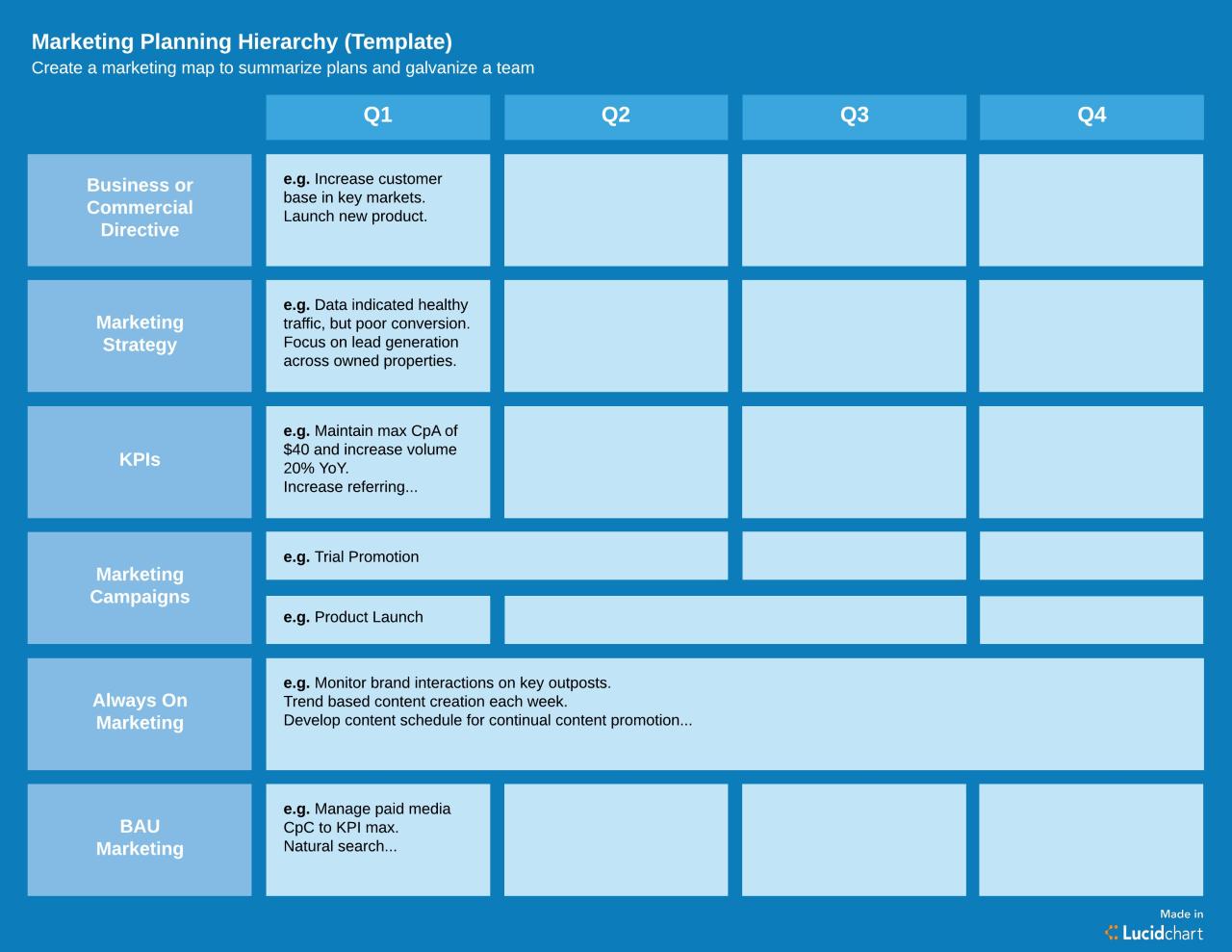
![24 Free Project Plan Templates [Excel, Word, PDF] ᐅ TemplateLab](https://tomo.web.id/wp-content/uploads/2025/09/Business-plan-scaled-1.jpg "24 Free Project Plan Templates [Excel, Word, PDF] ᐅ TemplateLab")
Low calorie meals are essential components of a balanced diet, playing a vital role in maintaining a healthy weight and supporting overall well-being. They help individuals manage caloric intake while still providing necessary nutrients, energy, and satiety. Incorporating low calorie meals can prevent overeating, reduce the risk of obesity, and promote long-term health benefits such as decreased risk of cardiovascular diseases and improved metabolic functioning.
Understanding the basic principles of calorie reduction involves selecting nutrient-dense ingredients that deliver essential vitamins, minerals, and fiber with fewer calories. It emphasizes portion control, cooking methods that minimize added fats, and choosing ingredients that naturally contain fewer calories without compromising flavor or nutrition. Achieving this balance ensures meals remain satisfying and nutritious, fostering sustainable healthy habits.
Comparison of High-Calorie vs. Low-Calorie Ingredients
To better grasp the differences between high-calorie and low-calorie ingredients, a comparative table provides clear insights into their caloric content, nutritional benefits, and optimal usage tips. This helps in making informed ingredient choices that align with low calorie meal planning.
| Ingredient | Calories per Serving | Nutritional Benefits | Usage Tips |
|---|---|---|---|
| Avocado | Approximately 160 calories per 100g | Rich in healthy monounsaturated fats, fiber, vitamins E, K, and B-6 | Use in moderation; add slices to salads or spreads, or blend into smoothies for healthy fats |
| Sweet Potatoes | Approximately 86 calories per 100g | High in fiber, vitamins A and C, antioxidants | Bake or roast with minimal oil; serve as a filling side dish or in veggie bowls |
| Olive Oil | 119 calories per tablespoon (15 ml) | Contains healthy monounsaturated fats, antioxidants, anti-inflammatory properties | Use sparingly for cooking or dressings; opt for extra-virgin varieties for added health benefits |
| Chicken Breast | Approximately 165 calories per 100g (cooked, skinless) | High-quality protein, low in saturated fat, rich in B vitamins | Grill or bake without excessive oils; pair with vegetables for a balanced low-calorie meal |
| White Rice | Approximately 130 calories per 100g (cooked) | Provides energy through carbohydrates, easy to digest | Use in controlled portions; substitute with cauliflower rice for fewer calories and added nutrients |
| Bananas | Approximately 89 calories per 100g | Rich in potassium, vitamin B6, fiber, natural sugars | Consume in moderation; add slices to oatmeal or yogurt for natural sweetness |
By understanding these ingredient differences, meal planners can select options that contribute to a lower overall calorie count while still offering essential nutrients. This approach supports health goals without sacrificing taste or nutritional quality.
Planning Strategies for Low Calorie Meals
Creating effective low calorie meal plans requires careful assessment and strategic organization to ensure nutritional adequacy while maintaining calorie control. By adopting structured planning strategies, individuals can achieve their health goals without sacrificing flavor or satisfaction. These strategies involve understanding personal calorie needs, setting realistic meal objectives, and following systematic procedures to design balanced, satisfying, and sustainable low calorie meals.Developing a comprehensive low calorie meal plan involves multiple steps that ensure nutritional balance, variety, and practicality.
This process begins with accurately assessing daily caloric requirements based on individual factors such as age, gender, activity level, and health objectives. Subsequently, setting clear meal goals helps in distributing calories appropriately throughout the day. Designing balanced meals entails selecting nutrient-dense ingredients that are low in calories but high in essential nutrients like fiber, vitamins, and minerals. The process also involves creating shopping lists, preparing ingredients in advance, and organizing cooking methods to streamline meal prep and avoid impulsive, calorie-dense choices.Below is a flowchart outlining a systematic approach to meal planning, from grocery shopping to meal prep:
Step 1: Determine Daily Calorie Needs
Step 2: Set Meal Calorie Goals
Step 3: Select Nutrient-Dense, Low-Calorie Ingredients
Step 4: Design Weekly Meal Templates
Step 5: Create a Shopping List Based on Meal Plans
Step 6: Shop Mindfully, Focusing on Whole Foods
Step 7: Prepare Ingredients in Advance (Prepping and Portioning)
Step 8: Cook and Assemble Meals According to Plan
Step 9: Monitor Intake and Adjust as Necessary
This structured approach ensures that low calorie meal planning is both manageable and aligned with individual health objectives, promoting consistency and success in dietary endeavors.
Selecting Ingredients for Low Calorie Meals
Choosing the right ingredients is fundamental to crafting meals that are both satisfying and low in calories. Emphasizing nutrient-dense foods ensures that your meals provide essential vitamins and minerals without excess calories. This section explores a variety of foods suitable for diverse cuisines and offers practical guidance on substituting high-calorie ingredients with healthier alternatives to promote weight management and overall well-being.
Incorporating nutrient-dense, low-calorie ingredients helps maintain flavor and texture while reducing calorie intake. Understanding the calorie content and health benefits of various foods allows for more informed choices, enabling the preparation of delicious, balanced meals suitable for different dietary preferences and culinary traditions.
Low-Calorie, Nutrient-Dense Foods for Various Cuisines
- Leafy Greens and Vegetables: Spinach, kale, lettuce, broccoli, cauliflower, zucchini, and bell peppers are rich in fiber, vitamins, and minerals with minimal calories.
- Lean Proteins: Skinless poultry, lean cuts of beef and pork, fish (especially white fish like cod and tilapia), and plant-based options such as tofu and legumes are excellent sources of protein with low fat content.
- Fruits: Berries, apples, oranges, melons, and peaches offer natural sweetness, fiber, and antioxidants, making them ideal for flavoring low-calorie meals.
- Whole Grains and Legumes: Quinoa, brown rice, oats, chickpeas, and lentils add fiber and nutrients without excessive calories, suitable for diverse regional dishes.
Guidelines for Substituting High-Calorie Ingredients with Healthier Alternatives
Replacing high-calorie ingredients with nutrient-dense, lower-calorie options is essential for maintaining flavor while reducing overall calorie content. Focus on the following strategies:
- Use cauliflower rice or zucchini noodles instead of traditional rice or pasta to reduce carbohydrate and calorie intake.
- Opt for non-fat or low-fat dairy products, such as skim milk or Greek yogurt, instead of full-fat versions.
- Replace frying with grilling, steaming, or baking techniques to cut down on added fats and calories.
- Use herbs, spices, and citrus juices to enhance flavor without increasing calorie count.
- Substitute cream-based sauces with tomato-based or broth-based sauces, which are lower in calories but rich in flavor.
Ingredient Comparison Table
| Ingredient | Calorie Content (per 100g) | Health Benefits | Common Uses |
|---|---|---|---|
| Spinach | 23 kcal | Rich in iron, vitamins A and C, antioxidants; supports immune function and eye health | Salads, smoothies, sautéed side dishes |
| Chicken Breast (skinless) | 165 kcal | High in protein, low in fat; promotes muscle repair and satiety | Grilled, baked, stir-fries |
| Fresh Berries | 32-57 kcal (varies by type) | High in antioxidants, fiber; reduces inflammation and supports heart health | Snacks, toppings, smoothies |
| Quinoa | 120 kcal | Complete protein source, high in fiber, minerals like magnesium and phosphorus | Salads, side dishes, breakfast bowls |
Cooking Techniques to Reduce Calories
Choosing appropriate cooking methods plays a vital role in preparing low-calorie meals without sacrificing flavor or nutritional value. The way ingredients are cooked can significantly influence their calorie content, as certain techniques help minimize the addition of fats, sugars, and calories while preserving or enhancing taste.
In this section, we explore effective cooking techniques such as steaming, grilling, and baking that are particularly suited to low-calorie meal planning. These methods not only promote healthier eating habits but also allow for a wide variety of flavorful and satisfying dishes.
Steaming, Grilling, and Baking: Healthy Cooking Methods
Implementing specific cooking techniques can greatly reduce the calorie content of meals. Each method offers unique advantages in terms of flavor retention and health benefits, especially when geared toward low-calorie meal preparation.
The following points highlight how these techniques help in maintaining flavor while reducing fat and sugar content:
- Steaming: This gentle cooking method involves cooking food with steam, which preserves nutrients and naturally enhances flavor without the need for added fats. It is ideal for vegetables, fish, and poultry, resulting in tender textures and vibrant colors.
- Grilling: Grilling allows excess fats to drip away from food, significantly lowering the overall calorie content. Marinating meats with herbs and citrus juices adds flavor without extra calories, and it imparts a smoky taste that enhances dishes.
- Baking: Baking uses dry heat in the oven, which helps cook foods evenly and reduces the need for added oils or fats. Using parchment paper or non-stick baking trays further minimizes the use of fats, allowing for delicious, low-calorie baked goods and proteins.
Procedures for Preparing Flavored Low-Calorie Meals
Maintaining flavor while reducing calorie content involves specific preparation techniques that enhance taste without relying on excessive fats or sugars. The following procedures are effective for achieving flavorful low-calorie meals:
- Utilize herbs, spices, and citrus zest to season foods instead of high-fat sauces or sugar-laden marinades. These natural flavor enhancers add depth without calories.
- Opt for marinades made from vinegar, soy sauce, or low-calorie broth to infuse moisture and flavor into lean meats and vegetables before cooking.
- Apply minimal oil by using a spray bottle or a brush, ensuring controlled application that maintains flavor without excess calories.
- Cook foods at appropriate temperatures to prevent over-drying or burning, which can diminish flavor and texture, thus supporting healthier cooking methods.
- Incorporate cooking techniques such as broiling or roasting to develop complex flavors through caramelization, which enhances taste without added sugars or fats.
Visual Diagram: Different Cooking Techniques
Imagine a clear, illustrative diagram that categorizes various healthy cooking methods. At the center, a circle labeled “Healthy Cooking Techniques” branches out into four main sections: Steaming, Grilling, Baking, and Sautéing. Each section contains a brief description:
| Technique | Description |
|---|---|
| Steaming | Uses vapor to cook food gently, preserving nutrients and natural flavors without added fats. |
| Grilling | Exposes food to direct heat, allowing excess fats to drip away while imparting smoky flavors. |
| Baking | Employs dry, even heat to cook foods, minimizing the need for oils or fats. |
| Sautéing | Quickly cooks food in a small amount of healthy oil or broth, maintaining flavor with controlled calorie addition. |
Each segment of this diagram can be color-coded or highlighted to emphasize the benefits of these techniques in low-calorie meal preparation.
Sample Low Calorie Meal Recipes
Discovering a variety of delicious, satisfying meals that are low in calories is essential for maintaining a healthy lifestyle. Incorporating diverse recipes for breakfast, lunch, dinner, and snacks allows for balance and enjoyment while adhering to calorie-conscious eating habits. These recipes focus on fresh, nutrient-dense ingredients and portion control strategies to ensure each meal contributes to your health goals without sacrificing flavor.
Below, you’ll find a curated selection of low-calorie recipes designed to inspire your meal planning. Each recipe emphasizes the use of wholesome ingredients, appropriate portion sizes, and simple preparation methods to create balanced meals that are both nourishing and satisfying. Understanding how to portion correctly and assemble meals effectively can make a significant difference in your overall calorie intake and help you stay on track with your dietary objectives.
Low Calorie Breakfast Options
Starting your day with a nutritious, low-calorie breakfast sets a positive tone for the rest of your meals. These recipes utilize ingredients like oats, fresh fruits, and lean proteins, providing energy without excess calories.
| Meal Type | Main Ingredients | Estimated Calories | Preparation Time |
|---|---|---|---|
| Berry Oatmeal | Rolled oats, mixed berries, skim milk, honey | 250 kcal | 10 minutes |
| Vegetable Egg White Wrap | Egg whites, spinach, tomatoes, whole wheat wrap | 180 kcal | 15 minutes |
| Greek Yogurt with Fruits | Low-fat Greek yogurt, sliced kiwi, blueberries, chia seeds | 200 kcal | 5 minutes |
Low Calorie Lunch Ideas
Lunch recipes that are low in calories should be filling yet light, utilizing a variety of vegetables, lean proteins, and whole grains. Proper portioning and meal assembly techniques can help maintain calorie control while providing essential nutrients.
| Meal Type | Main Ingredients | Estimated Calories | Preparation Time |
|---|---|---|---|
| Grilled Chicken Salad | Grilled chicken breast, mixed greens, cherry tomatoes, cucumber, balsamic vinegar | 350 kcal | 20 minutes |
| Vegetable Quinoa Bowl | Quinoa, roasted vegetables, chickpeas, lemon dressing | 400 kcal | 30 minutes |
| Shrimp and Veggie Stir-fry | Shrimp, broccoli, bell peppers, soy sauce, garlic | 330 kcal | 15 minutes |
Low Calorie Dinner Recipes
Evening meals that are low in calories should be satisfying and rich in flavor, focusing on lean proteins, fibrous vegetables, and healthy cooking methods like grilling or steaming. Proper portion control ensures you enjoy your meal without excess calories.
| Meal Type | Main Ingredients | Estimated Calories | Preparation Time |
|---|---|---|---|
| Baked Salmon with Asparagus | Salmon fillet, asparagus, lemon, herbs | 400 kcal | 25 minutes |
| Veggie-Stuffed Bell Peppers | Bell peppers, lean ground turkey, cauliflower rice, herbs | 350 kcal | 40 minutes |
| Stir-fried Tofu with Vegetables | Firm tofu, bok choy, carrots, ginger, soy sauce | 320 kcal | 20 minutes |
Healthy Low Calorie Snack Ideas
Snacks are integral to maintaining energy levels and preventing overeating at mealtime. Opt for nutrient-rich, portion-controlled options such as fruits, vegetables, or small servings of nuts and seeds.
| Meal Type | Main Ingredients | Estimated Calories | Preparation Time |
|---|---|---|---|
| Apple Slices with Almond Butter | Apple, natural almond butter (1 tbsp) | 150 kcal | 5 minutes |
| Carrot and Celery Sticks with Hummus | Carrots, celery, hummus | 100 kcal | 10 minutes |
| Mixed Nuts and Berries | A small handful of mixed nuts, dried cranberries | 200 kcal | 2 minutes |
Implementing portion control and mindful meal assembly with these recipes can help sustain your calorie goals while enjoying a diverse and flavorful diet. Using measuring tools and pre-portioning snacks can prevent overeating and support your overall health objectives.
Tips for Maintaining Variety and Flavor
Creating low-calorie meals that are both satisfying and exciting requires thoughtful strategies to enhance taste without adding unnecessary calories. Incorporating herbs, spices, and flavoring agents can significantly elevate the dining experience, making each meal appealing and enjoyable while keeping it health-conscious. By exploring different flavor enhancement techniques, you can prevent meal monotony and sustain motivation for healthy eating habits.Flavor is a crucial component of culinary satisfaction, and it can be achieved through a variety of natural, calorie-free or low-calorie methods.
The key lies in understanding how to utilize ingredients that boost taste without tipping the caloric balance. This approach not only preserves the nutritional integrity of your meal but also encourages culinary creativity.
Herbs, Spices, and Natural Flavor Boosters
Herbs and spices are the backbone of flavorful low-calorie cooking. They add depth, aroma, and complexity without contributing significant calories. Fresh herbs like basil, cilantro, parsley, thyme, and dill can brighten up salads, soups, and grilled vegetables. Dried spices such as cumin, paprika, turmeric, cinnamon, and chili powder infuse dishes with warmth and zest.Using herbs and spices in combination can produce layered flavors that make simple ingredients taste extraordinary.
For example, a grilled chicken breast seasoned with a mix of smoked paprika, garlic powder, and fresh rosemary can be as satisfying as a high-calorie sauce. Additionally, incorporating aromatic spices like ginger or cardamom can lend a fragrant, lively note to dishes without calories.
Flavorful herbs and spices can transform a bland, low-calorie meal into a delightful culinary experience, proving that taste and health can go hand in hand.
Flavor-Enhancing Techniques That Keep Meals Exciting
Beyond herbs and spices, other techniques can amplify flavor while maintaining a low-calorie profile. These methods focus on maximizing natural tastes and adding texture or acidity to heighten the overall sensory experience.
Marinating
Using acidic ingredients like lemon juice, vinegar, or fermented foods can impart tanginess and tenderness to proteins and vegetables, enriching flavor without calories.
Roasting and Grilling
These methods caramelize natural sugars and create smoky, savory notes that elevate the dish’s appeal.
Using Umami-Rich Ingredients
Incorporating low-calorie sources of umami such as mushrooms, seaweed, or tomato paste can deepen flavor profiles without adding many calories.
Citrus and Vinegar
A splash of lemon, lime, or vinegar can brighten flavors and add a refreshing tang that reduces the need for salt or sugar.
Texture Variations
Incorporating crunchy vegetables or seeds such as pumpkin or sunflower seeds can add mouthfeel and interest without significant calories.
Innovative cooking techniques combined with strategic flavoring can make low-calorie meals both memorable and satisfying, encouraging healthier choices without sacrificing enjoyment.
Flavor Boosters That Do Not Significantly Increase Calories
To maintain flavor complexity while controlling calorie intake, it’s helpful to keep a list of reliable low-calorie flavor boosters. These ingredients and techniques can be incorporated seamlessly into various recipes:
- Fresh herbs (basil, parsley, cilantro, mint)
- Spices (paprika, cumin, turmeric, chili powder, cinnamon)
- Vinegars (apple cider, balsamic, red wine vinegar)
- Lemon or lime juice
- Garlic and onion powders
- Ginger or fresh horseradish
- Low-sodium soy sauce or tamari (used sparingly)
- Seaweed (nori, kelp) for umami
- Hot sauce or chili flakes (without added sugars)
Incorporating these ingredients thoughtfully allows you to craft meals that are rich in flavor, visually appealing, and aligned with your low-calorie goals. Balancing these elements ensures that your meals remain diverse, flavorful, and satisfying, fostering long-term adherence to healthful eating habits.
Monitoring and Adjusting Your Meal Plans
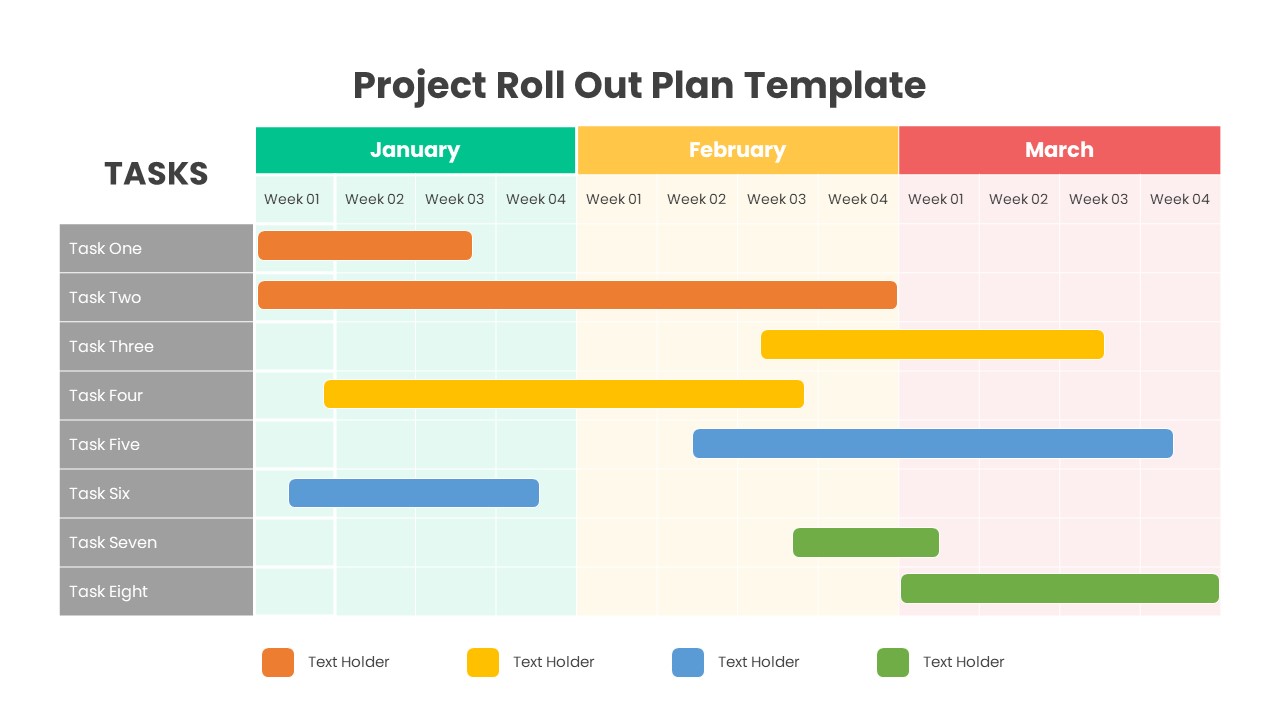
![48 Professional Project Plan Templates [Excel, Word, PDF] - Template Lab](https://tomo.web.id/wp-content/uploads/2025/09/que-es-un-plan-ejemplos.png "48 Professional Project Plan Templates [Excel, Word, PDF] - Template Lab")
Creating an effective low-calorie meal plan requires ongoing evaluation and flexibility. Regular monitoring ensures that your dietary goals are being met while allowing for necessary adjustments to optimize health outcomes and maintain motivation. Tracking progress over time helps identify what is working and what may need refinement, fostering sustainable healthy eating habits.Maintaining a dynamic approach to your meal planning involves assessing your intake, evaluating meal effectiveness, and making informed modifications.
This process promotes consistency and ensures that your low-calorie diet remains aligned with your current health status, activity levels, and preferences.
Tracking Calorie Intake and Adjusting Recipes
Accurate calorie tracking is essential to ensure that your meals stay within your targeted caloric range. Using digital tools or manual methods allows you to monitor daily intake and make precise adjustments as needed. When recipes exceed your calorie goals, small modifications can be made to reduce portions, substitute ingredients, or alter cooking techniques.For example, if a particular recipe contains more calories than planned, consider replacing high-calorie ingredients like oils or sugars with lower-calorie alternatives such as herbs, spices, or non-caloric flavorings.
Alternatively, adjusting portion sizes without sacrificing flavor can help you stay within your calorie limits. Maintaining a detailed record of these modifications aids in understanding their impact over time.
Consistent calorie monitoring enables you to identify patterns and make timely adjustments, ensuring steady progress towards your weight management goals.
Evaluating Meal Plan Effectiveness Over Time
Regular assessment of your meal plan’s success involves reviewing both quantitative and qualitative indicators. Tracking weight fluctuations, measuring changes in physical activity, and noting improvements in energy levels provide valuable insights into your plan’s effectiveness.Conduct periodic reviews, such as weekly or bi-weekly, to analyze your food logs and assess adherence. Pay attention to how your body responds to the meal plan—if you experience persistent hunger, fatigue, or lack of progress, adjustments may be necessary.
Consulting with a healthcare professional or dietitian can provide personalized guidance based on your progress and health status.An effective evaluation also considers non-scale victories, including increased stamina, better digestion, or improved mood, which contribute to overall well-being and reinforce motivation.
Calorie Intake Log Chart Template
A structured log facilitates daily tracking and provides a clear overview of your adherence to calorie goals. Below is a simple template to record your daily intake versus your target:
| Date | Target Calories | Actual Calories Consumed | Meal Breakdown | Notes |
|---|---|---|---|---|
| YYYY-MM-DD | 1500 | 1450 | Breakfast: 350, Lunch: 500, Dinner: 400, Snacks: 200 | Made a small portion adjustment in dinner to reduce calories. |
| YYYY-MM-DD | 1500 | 1600 | Breakfast: 400, Lunch: 600, Dinner: 400, Snacks: 200 | Had an extra snack; plan to adjust portion sizes tomorrow. |
Tracking daily intake in this manner helps visualize adherence, identify patterns of excess or deficiency, and guide necessary recipe modifications. Consistent record-keeping supports a data-driven approach to refining your low-calorie meal plan, ultimately contributing to sustained success and improved health outcomes.
Concluding Remarks

In conclusion, mastering how to plan low calorie meals enables you to enjoy a variety of tasty, nutritious foods while effectively managing your calorie intake. By applying strategic planning, smart ingredient substitutions, and healthy cooking techniques, you can maintain a sustainable and enjoyable eating routine. Remember, consistency and mindful adjustments are key to long-term success in your health and wellness endeavors.